Anua
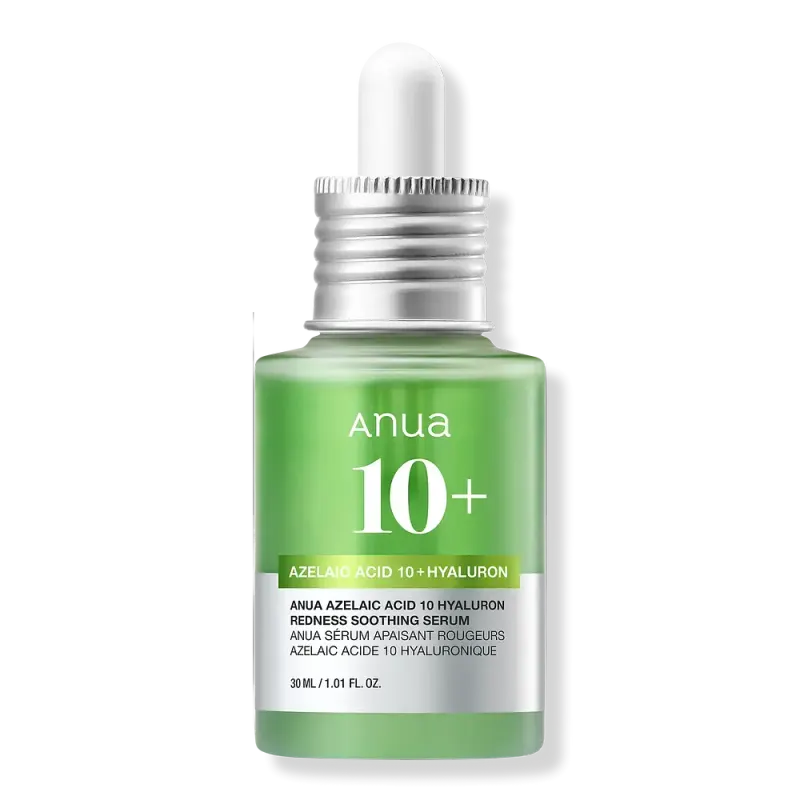
Anua Azelaic Acid 10 Hyaluron Redness Soothing Serum
Low risk78/100

Toners
Some ingredients carry a low-risk flag. Read the formulation context before deciding.
74 of 75 ingredients rated1 not assessed
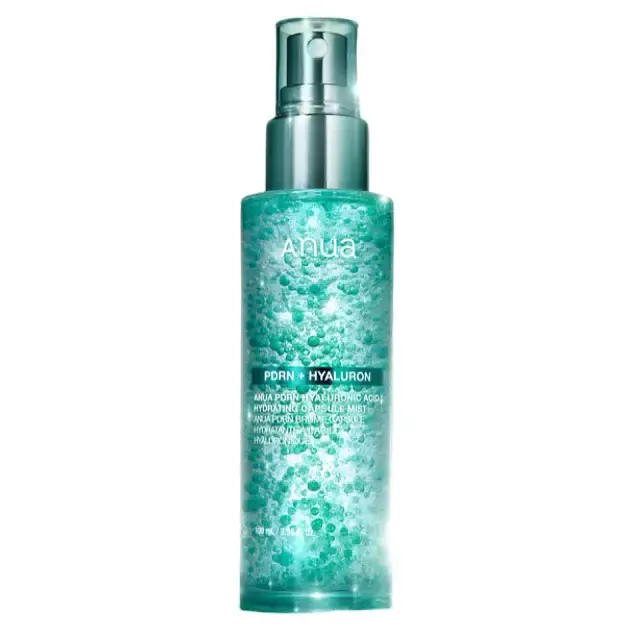
MamaSkin rates the recorded formula for Anua PDRN Hyaluronic Acid Hydrating Capsule Mist as Low risk (79/100). Review the ingredient context and any manual-review explanation before deciding.
The recorded formula includes 4 ingredient entries with risk flags: diphenyl dimethicone (Low risk), diphenylsiloxy phenyl trimethicone (Low risk), propylene glycol dibenzoate (Low risk), plus others listed in the breakdown. These are ingredient-level flags; they do not replace the stored product assessment or account for every formulation detail.
74 of 75 ingredient entries on this page have a recorded score, evidence summary and source text. 1 entry does not have all of those fields. Unmatched or unrated entries are marked Not assessed in grey; missing evidence does not establish safety.
How we assess productsThe recorded formula, with evidence behind each rating. Unmatched ingredients are marked Not assessed in grey.
This ingredient is a silicone polymer documented within CIR's broader dimethicone and substituted-methicone family assessment. CIR concluded the reviewed ingredients safe as used when formulated to be non-irritating to skin and eyes. This is family-level cosmetic evidence, not ingredient-specific human pregnancy evidence for every derivative. MamaSkin therefore retains Low Risk without claiming negligible absorption for this individual ingredient.
Sources: CIR: Dimethicone and substituted-methicone polymer assessment https://cir-safety.org/supplementaldoc/safety-assessment-dimethicone-methicone-and-substituted-methicone-polymers-used-cosm
A phenyl-substituted silicone used for shine, conditioning and film formation. Cosmetic safety reviewers concluded it is safe in current cosmetic use but found insufficient evidence for products that may be incidentally inhaled. MamaSkin classifies it as low risk because of that route-specific evidence gap, not because of a known pregnancy-specific concern from ordinary topical use.
Sources: CIR: Safety Assessment of Phenyl-Substituted Methicones (Final Report 2023) https://www.cir-safety.org/sites/default/files/QRT-Update-Dec2025.pdf
Canada identified reproductive or developmental toxicity for this exact substance and an inadequate modelled safety margin for some frequent personal-care exposure. Low Risk reflects that exposure-dependent concern.
Sources: https://www.canada.ca/en/environment-climate-change/services/managing-pollution/evaluating-new-substances/chemicals-polymers/risk-assessment-summaries/new-substances-notifications-18178-20537.html, https://webprod.hc-sc.gc.ca/nhpid-bdipsn/ingredReq?id=406, https://echa.europa.eu/documents/10162/5b3bde44-7ce9-97c3-3020-007a7bcc10b3, https://pubchem.ncbi.nlm.nih.gov/compound/Propylene-glycol-dibenzoate
DNA-derived cosmetic ingredient/label term used in topical PDRN or polynucleotide-style skincare. Topical cosmetic use is not currently treated as a known pregnancy-restricted concern, but pregnancy-specific clinical data remain limited. MamaSkin scores this conservatively as low risk to reflect the evidence gap. This assessment applies to topical cosmetic products only and does not apply to injectable or in-clinic PDRN/polynucleotide treatments. Always review co-ingredients such as retinoids, hydroquinone, high-strength acids or other pregnancy-restricted actives separately.
Sources: Shin et al. 2025: Polynucleotide and PDRN dermatology review https://pubmed.ncbi.nlm.nih.gov/40871045/
Evidence for this preparation is sparse and does not clearly identify the plant part or extraction method. No direct pregnancy or reproductive studies were located, so there is not enough evidence to assign a pregnancy risk band.
Sources: https://mpns.science.kew.org/mpns-portal/drugDetail?drugName=black-end+swallowwort&filter=&fuzzy=false&nameType=all&query=, https://pubmed.ncbi.nlm.nih.gov/34662666/, https://s3.amazonaws.com/thinkific-import/5076/AmericanHerbalProductsAssociationsBotanicalSafetyHandbook2ndEd11529438093468-1559675898898.pdf, https://pmc.ncbi.nlm.nih.gov/articles/PMC6099929/
1,2-Hexanediol is commonly used as a solvent and preservative booster; topical exposure is low and it has no known pregnancy or breastfeeding concerns at cosmetic concentrations, though very sensitive skin may occasionally react.
Sources: CIR; EU/UK Cosmetics Regulation
An acetylated amino-acid derivative used for skin conditioning. CIR included Acetyl Glutamine in its safe-as-used conclusion for amino-acid alkyl amides when products are formulated to be non-irritating. No pregnancy-specific concern was identified for normal topical cosmetic exposure.
Sources: CIR: Safety Assessment of Amino Acid Alkyl Amides as Used in Cosmetics https://cir-reports.cir-safety.org/view-attachment/?id=f8a7b89b-8e74-ec11-8943-0022482f06a6
Skin-conditioning ingredient commonly used in leave-on skincare. Reviewed cosmetic safety sources support normal topical use, with no pregnancy- or breastfeeding-specific topical signal identified in the material reviewed.
Sources: CIR: Safety Assessment of Adenosine Ingredients as Used in Cosmetics; EU CosIng / cosmetics regulatory inventory
A plant-derived polysaccharide used to thicken and stabilise formulas. Cosmetic safety reviewers concluded that agar is safe in current practices. Loose powder should not be deliberately inhaled.
Sources: CIR: Plant Polysaccharide Gums final assessment, September 2015; December 2025 Quick Reference Table https://cir-safety.org/sites/default/files/QRT-Update-Dec2025.pdf
Allantoin is a soothing skin protectant commonly used to help reduce irritation and support comfort, with no known pregnancy or breastfeeding concerns in topical cosmetic use.
Sources: CIR; EU/UK Cosmetics Regulation
An aloe flower extract used for skin conditioning. Cosmetic safety reviewers concluded that supported Aloe barbadensis-derived ingredients are safe in current practices, with anthraquinone impurities controlled to no more than 50 ppm. No pregnancy-specific concern was identified for normal topical cosmetic exposure.
Sources: CIR: December 2025 Quick Reference Table, Aloe Barbadensis Flower Extract conclusion https://cir-safety.org/sites/default/files/QRT-Update-Dec2025.pdf
A botanical extract, juice or water used primarily for skin conditioning, moisturising, soothing or antioxidant support. Direct pregnancy studies of the named cosmetic material were not identified. No reproductive or developmental hazard was identified for normal topical exposure to a compliant finished cosmetic; oral herbal or medicinal use is outside this classification.
Sources: European Commission CosIng ingredient inventory; Cosmetic Ingredient Review botanical safety-assessment framework and relevant plant-family assessments. No ingredient-specific human pregnancy study of normal topical cosmetic use was identified.
A mineral-derived colourant, absorbent or texture ingredient. Purity and avoiding respirable exposure from loose powders or sprays are the practical formulation considerations. Dermal absorption is expected to be limited, and no reproductive or developmental hazard was identified for normal non-inhaled topical cosmetic use.
Sources: European Commission CosIng ingredient inventory and cosmetic purity requirements; CIR safety assessments of mineral-derived ingredients, silicates and cosmetic colourants.
Sugar-derived humectant used to support hydration, often as part of saccharide blends. Reviewed cosmetic safety sources support normal topical use, with no pregnancy- or breastfeeding-specific topical signal identified in the material reviewed.
Sources: CIR: Safety Assessment of Saccharide Humectants / Saccharide Isomerate, etc.; EU CosIng / cosmetics regulatory inventory
aureobasidium pullulans ferment is a fermentation-derived or microbial lysate cosmetic conditioning material. The assessment applies to the defined non-live cosmetic ingredient rather than live organisms or oral supplements. No pregnancy-specific concern was identified for normal topical use; formulation purity and sensitivity remain relevant.
Sources: CIR assessments of microbial polysaccharides, fermentation-derived and lysate cosmetic ingredients; CIR Quick Reference Table https://www.cir-safety.org/supplementaldoc/quick-reference-table-december-2025
A colour additive used in cosmetics. FDA lists caramel and beta-carotene as permitted cosmetic colour additives, including for eye-area and general cosmetic use, subject to applicable identity, purity and manufacturing requirements. No pregnancy-specific concern was identified from normal topical cosmetic exposure.
Sources: FDA: Color Additives Permitted for Use in Cosmetics https://www.fda.gov/cosmetics/cosmetic-ingredient-names/color-additives-permitted-use-cosmetics; 21 CFR Part 73.
Solvent and humectant commonly used in leave-on products. Not associated with pregnancy-specific concerns at cosmetic exposure levels.
Sources: Cosmetic Ingredient Review (US); Scientific Committee on Consumer Safety (EU)
A common inorganic electrolyte used to control viscosity, stabilise a formula or condition skin. At cosmetic concentrations these salts do not present a pregnancy-specific concern; concentrated formulas can still sting damaged or very sensitive skin.
Sources: European Commission CosIng ingredient inventory; PubChem compound records for potassium chloride, magnesium chloride and calcium chloride; established pharmaceutical and food use of these electrolytes.
A processed cosmetic ferment, extract or fermentation-derived material used for conditioning, moisturising or formula support. It is not equivalent to applying an unspecified live culture. Available cosmetic safety assessments do not identify a pregnancy- or breastfeeding-specific hazard for normal topical use, assuming appropriate identity, preservation and microbial-quality controls.
Sources: CIR safety assessments and strategy documents for Yeast-Derived Ingredients, Lactobacillus Ferment Ingredients and cosmetic microbial fermentation products; European Commission CosIng ingredient inventory.
Common emollient derived from fatty acids and glycerin. Used to soften skin and improve texture without pregnancy-specific concerns.
Sources: Cosmetic Ingredient Review (US); Scientific Committee on Consumer Safety (EU)
Humectant and preservative booster used to support product stability. Low systemic exposure expected from topical cosmetic use.
Sources: Scientific Committee on Consumer Safety (EU); Cosmetic Ingredient Review (US)
For ordinary, correctly formulated topical cosmetic use, no pregnancy-specific harm has been identified for castanea sativa seed extract. Chestnut seed extract is food-derived but differs from shell extract; nut allergy is possible. Direct pregnancy studies of this exact material are limited; this assessment does not cover ingestion, medicinal-strength use, damaged skin, or aerosol exposure.
A high-molecular-weight polymer used for film formation, texture or stabilisation. Meaningful dermal absorption is expected to be limited and no reproductive or developmental concern was identified for normal topical use.
Sources: CIR safety framework for cosmetic polymers; European Commission CosIng.
Cellulose-derived thickener and binder used to stabilise texture. Reviewed cosmetic safety sources support normal topical use, with no pregnancy- or breastfeeding-specific topical signal identified in the material reviewed.
Sources: CIR Quick Reference Table / Cellulose Gum amended safety assessment; EU CosIng / cosmetics regulatory inventory
Skin-identical barrier lipid used to support the stratum corneum and reduce dryness. Reviewed cosmetic safety sources support normal topical use, with no pregnancy- or breastfeeding-specific topical signal identified in the material reviewed.
Sources: CIR: Safety Assessment of Ceramides as Used in Cosmetics; EU CosIng / cosmetics regulatory inventory
pH adjuster used in small amounts to maintain product stability. Not associated with pregnancy-specific concerns.
Sources: Scientific Committee on Consumer Safety (EU); European cosmetics regulatory framework
An ivy-gourd fruit extract used for skin conditioning and antioxidant support. No pregnancy- or breastfeeding-specific hazard was identified for normal topical cosmetic exposure. Direct ingredient-specific pregnancy studies were not identified, so this assessment does not extend to oral supplements or medicinal use.
Sources: European Commission CosIng ingredient inventory; Cosmetic Ingredient Review botanical safety-assessment framework and relevant ingredient-family assessments. No ingredient-specific human pregnancy study of normal topical cosmetic use was identified.
Copper-binding carrier peptide also known as GHK-Cu, used topically in cosmetic skin-renewal, anti-aging, barrier-support and hair/scalp products. Reviewed literature describes topical cosmetic use and does not identify a pregnancy- or breastfeeding-specific risk signal for normal topical use. This assessment does not apply to injectable copper peptides or oral peptide/copper supplementation.
Sources: Schagen SK. Topical Peptide Treatments with Effective Anti-Aging Results. Cosmetics. 2017;4(2):16. doi:10.3390/cosmetics4020016; Pickart L et al. Regenerative and Protective Actions of the GHK-Cu Peptide in the Light of the New Gene Data. Int J Mol Sci. 2018;19(7):1987. doi:10.3390/ijms19071987.
A red-algae-derived extract used for skin conditioning, hydration or formula texture. Cosmetic safety reviewers concluded that the assessed red algae ingredients, including this extract, are safe in current practices of use and concentration. Cosmetic manufacturers should control naturally occurring contaminants such as heavy metals and arsenic.
Sources: CIR: Safety Assessment of Red Algae-Derived Ingredients as Used in Cosmetics https://cir-reports.cir-safety.org/view-attachment/?id=cef5b6e9-8c74-ec11-8943-0022482f06a6
Turmeric root extract is used for antioxidant and skin-conditioning effects. Pregnancy cautions relate mainly to concentrated oral supplements; normal topical cosmetic exposure is substantially smaller. The principal topical concern is irritation or allergy in sensitive users.
Sources: NIH NCCIH: Turmeric safety, including separate oral-supplement and topical cautions https://www.nccih.nih.gov/health/turmeric; European Commission CosIng ingredient inventory.
A plant-part extract used for skin conditioning, soothing, fragrance or antioxidant support. No pregnancy-specific systemic signal was identified for normal topical cosmetic exposure. This assessment does not extend to essential oils, oral herbal products or medicinal doses, and botanical sensitivity remains possible.
Sources: European Commission CosIng ingredient inventory; CIR botanical safety framework and relevant plant-derived ingredient assessments; peer-reviewed cosmetic-use literature.
Dipeptide-15 is glycylglycine, a small peptide made of two glycine units, not a growth factor or an unspecified polypeptide. Its defined structure and ordinary topical cosmetic exposure support No Known Risks; direct pregnancy studies are limited. This assessment does not assume that every peptide stays outside the skin. Cosmetic purity matters; injectable or medicinal peptide use is excluded.
Sources: https://kcia.or.kr/cid/search/ingd_view.php?no=494, https://pubchem.ncbi.nlm.nih.gov/compound/Glycylglycine
A functional cosmetic ingredient used for preservation support, pH control, chelation, solvent action or formula stability. Concentrated material may irritate skin or eyes, but no pregnancy-specific reproductive or developmental hazard was identified for normal use in a compliant finished cosmetic.
Sources: European Commission CosIng ingredient inventory and applicable cosmetic restrictions; relevant CIR ingredient and functional-family safety assessments.
Dipropylene glycol is used as a solvent and carrier in cosmetics; topical exposure is low and it has no known pregnancy or breastfeeding concerns at cosmetic concentrations.
Sources: CIR; EU/UK Cosmetics Regulation
Preservative booster and skin-conditioning agent. Considered safe for cosmetic use with low systemic exposure when used as intended.
Sources: Scientific Committee on Consumer Safety (EU); Cosmetic Ingredient Review (US)
A high-molecular-weight carbohydrate gum produced by microbial fermentation and used for hydration, texture or film formation. Cosmetic safety reviewers concluded that the assessed microbial polysaccharide gums are safe in current practices of use and concentration. Dermal absorption of the intact polymers is expected to be limited.
Sources: CIR: Safety Assessment of Microbial Polysaccharide Gums as Used in Cosmetics https://cir-reports.cir-safety.org/view-attachment/?id=c052d083-8e74-ec11-8943-0022482f06a6
An ethoxylated glycerin humectant used to retain moisture and improve product texture. The Cosmetic Ingredient Review assessed glycerin ethoxylates including Glycereth-26 for current cosmetic use; available evidence does not identify a pregnancy- or breastfeeding-specific concern from normal topical exposure.
Sources: CIR: Safety Assessment of Glycerin Ethoxylates https://cir-safety.org/supplementaldoc/safety-assessment-glycerin-ethoxylates-used-cosmetics
Glycerin is a widely used humectant that supports hydration and the skin barrier, with a long safety record and no known pregnancy or breastfeeding concerns in topical cosmetic use.
Sources: CIR; EU/UK Cosmetics Regulation
Plant-derived emollient oil used to soften skin and support formula texture. Reviewed cosmetic safety sources support current cosmetic use, with no pregnancy- or breastfeeding-specific topical concern identified in the material reviewed.
Sources: CIR: Safety Assessment of Soy-Derived Ingredients as Used in Cosmetics; EU CosIng / cosmetics regulatory inventory
A soybean seed extract used for skin conditioning. Cosmetic safety reviewers concluded that the assessed Glycine soja-derived ingredients are safe in current practices. Soy sensitivity remains possible.
Sources: CIR: Glycine soja-derived ingredients conclusion, IJT 44(Suppl. 1), 2025; December 2025 Quick Reference Table https://cir-safety.org/sites/default/files/QRT-Update-Dec2025.pdf
Helianthus annuus (sunflower) seed oil is a common emollient rich in fatty acids and is generally well tolerated, with no known pregnancy or breastfeeding concerns in topical cosmetic use.
Sources: CIR; EU/UK Cosmetics Regulation
A plant-derived oil or hydrogenated wax used mainly as an emollient and skin-conditioning ingredient. Cosmetic safety reviewers concluded that these named sea buckthorn, tea seed, jojoba and grape seed ingredients are safe in current practices of use and concentration. Plant allergy remains possible.
Sources: CIR: Hippophae Rhamnoides Oil, Camellia Sinensis Seed Oil, Hydrogenated Jojoba Oil and Vitis Vinifera (Grape) Seed Oil conclusions; December 2025 Quick Reference Table https://cir-safety.org/sites/default/files/QRT-Update-Dec2025.pdf
High-water-binding humectant used to support hydration at the skin surface. Reviewed cosmetic safety sources support normal topical use, with no pregnancy- or breastfeeding-specific topical signal identified in the material reviewed.
Sources: CIR: Safety Assessment of Hyaluronates as Used in Cosmetics; EU CosIng / cosmetics regulatory inventory
Hydrogenated emulsifier used to support skin barrier feel. Not associated with pregnancy-specific concerns.
Sources: Cosmetic Ingredient Review (US)
Protein-derived skin- and hair-conditioning ingredient used to support feel and hydration at the surface. Reviewed cosmetic ingredient references do not identify a pregnancy- or breastfeeding-specific concern for normal topical use.
Sources: CIR cosmetic ingredient safety references for protein hydrolysates; EU CosIng / cosmetics regulatory inventory
Humectant and skin-conditioning ingredient in the hyaluronate family. Reviewed cosmetic safety sources support current cosmetic use, with no pregnancy- or breastfeeding-specific topical concern identified in the material reviewed.
Sources: CIR: Safety Assessment of Hyaluronates as Used in Cosmetics; EU CosIng / cosmetics regulatory inventory
Hydroxyacetophenone is used as an antioxidant and preservative-support ingredient; it is generally considered low concern in topical cosmetic use with no known pregnancy or breastfeeding risks at typical concentrations.
Sources: CIR; EU/UK Cosmetics Regulation
A humectant that helps skin and hair retain water. Cosmetic safety reviewers concluded that hydroxyethyl urea is safe in current cosmetic use when formulated to be non-irritating; reproductive and developmental data reviewed for the assessment did not identify a pregnancy-specific concern from normal topical exposure.
Sources: CIR: Safety Assessment of Hydroxyethyl Urea https://www.cir-safety.org/supplementaldoc/safety-assessment-hydroxyethyl-urea-used-cosmetics-0
Inorganic salt used as a viscosity-control, bulking or stabilizing ingredient in cosmetics. Reviewed cosmetic ingredient references do not identify a pregnancy- or breastfeeding-specific concern for normal topical use.
Sources: CIR cosmetic ingredient safety references for inorganic salts; EU CosIng / cosmetics regulatory inventory
Neem flower extract is used as a botanical skin-conditioning ingredient. A high-dose oral rat study altered the oestrous cycle and ovulation but did not show anti-implantation, abortifacient, or teratogenic effects. That oral dose does not establish a hazard from normal topical cosmetic exposure.
Sources: PubMed: high-dose oral neem flower extract reproductive study in rats https://pubmed.ncbi.nlm.nih.gov/19357745/; European Commission CosIng ingredient inventory. No human pregnancy study of normal topical cosmetic use was identified.
Neem leaf extract is used topically for skin conditioning and antimicrobial support. Reproductive concerns reported for concentrated neem seed preparations, intrauterine exposure, or high oral doses do not establish a hazard from normal topical cosmetic exposure to a leaf extract.
Sources: PubMed: oral purified neem seed extracts in primates https://pubmed.ncbi.nlm.nih.gov/8773426/; PubMed: intrauterine neem oil in primates https://pubmed.ncbi.nlm.nih.gov/8143455/; European Commission CosIng ingredient inventory. No human pregnancy study of normal topical cosmetic leaf-extract use was identified.
This plant-derived fatty oil or butter is used as an emollient and skin-conditioning ingredient. The Cosmetic Ingredient Review concluded that assessed plant-derived fatty acid oils are safe as used in cosmetics; individual plant allergy and ingredient purity remain practical considerations.
Sources: CIR: Safety Assessment of Plant-Derived Fatty Acid Oils https://cir-reports.cir-safety.org/view-attachment/?id=ad62ac6b-8e74-ec11-8943-0022482f06a6
Holy basil leaf extract is used for antioxidant and skin-conditioning purposes. Available warnings and pharmacology largely concern oral herbal use. No pregnancy-specific systemic hazard was identified for normal topical exposure to a compliant cosmetic, although botanical sensitivity remains possible.
Sources: PubMed: oral toxicological evaluation of Ocimum sanctum leaf extract https://pubmed.ncbi.nlm.nih.gov/24616736/; European Commission CosIng ingredient inventory. No human pregnancy study of topical cosmetic use was identified.
A fatty ester, lipid-derived emulsifier or emollient used for texture and skin conditioning. These materials have low expected systemic exposure, and no pregnancy-specific reproductive or developmental hazard was identified for normal topical cosmetic use.
Sources: CIR safety assessments of fatty esters, glycerides and emollients as used in cosmetics; European Commission CosIng ingredient inventory.
Panthenol (pro-vitamin B5) is used for soothing and barrier support and is generally well tolerated, with no known pregnancy or breastfeeding concerns in topical cosmetic use.
Sources: CIR; EU/UK Cosmetics Regulation
Humectant and preservative booster. Considered safe for cosmetic use with low systemic exposure.
Sources: Cosmetic Ingredient Review (US); Scientific Committee on Consumer Safety (EU)
Silicone emollient used to improve slip, gloss, and water resistance. Reviewed cosmetic safety sources support normal topical use, with no pregnancy- or breastfeeding-specific topical signal identified in the material reviewed.
Sources: CIR: Safety Assessment of Phenyl-Substituted Methicones as Used in Cosmetics; EU CosIng / cosmetics regulatory inventory
A common inorganic electrolyte used to control viscosity, stabilise a formula or condition skin. At cosmetic concentrations these salts do not present a pregnancy-specific concern; concentrated formulas can still sting damaged or very sensitive skin.
Sources: European Commission CosIng ingredient inventory; PubChem compound records for potassium chloride, magnesium chloride and calcium chloride; established pharmaceutical and food use of these electrolytes.
A cosmetic functional ingredient used for conditioning, texture or formula support. Available cosmetic-use information did not identify a reproductive or developmental hazard from normal topical exposure.
Sources: European Commission CosIng ingredient inventory; relevant CIR cosmetic safety assessments and peer-reviewed cosmetic-use literature.
Solvent and humectant used to improve texture and ingredient solubility. Low systemic exposure expected from topical cosmetic use.
Sources: Cosmetic Ingredient Review (US); Scientific Committee on Consumer Safety (EU)
pyrus malus juice is a botanical-derived cosmetic conditioning ingredient. The reviewed identity is not a concentrated essential oil or an oral herbal preparation. Available cosmetic evidence and expected topical exposure did not identify a pregnancy-specific contraindication, although botanical irritation or allergy remains possible.
Sources: CIR ingredient-specific and botanical-family safety assessments; CIR Quick Reference Table https://www.cir-safety.org/supplementaldoc/quick-reference-table-december-2025; European Commission CosIng
pyrus malus seed oil is a fixed plant oil used mainly as an emollient. CIR's plant-derived oil assessment supports cosmetic use, with refining, oxidation control and possible residual allergenic proteins remaining relevant. No pregnancy-specific concern was identified for normal topical exposure; this does not extend to concentrated essential oils or ingestion.
Sources: CIR Safety Assessment of Plant-Derived Fatty Acid Oils https://cir-safety.org/sites/default/files/118_final_oils_web.pdf; European Commission CosIng
Plant-derived emollient oil used to soften skin and improve formula feel. Reviewed cosmetic safety sources support current cosmetic use, with no pregnancy- or breastfeeding-specific topical concern identified in the material reviewed.
Sources: CIR: Final Report on the Safety Assessment of Simmondsia Chinensis (Jojoba) Seed Oil and related jojoba-derived ingredients; EU CosIng / cosmetics regulatory inventory
An alkaline mineral salt used for deodorising, buffering and mild abrasion. Cosmetic safety reviewers concluded that sodium bicarbonate is safe in current practices. It can irritate sensitive or freshly shaved skin in some formulas.
Sources: CIR: Sodium Bicarbonate conclusion, 2025; December 2025 Quick Reference Table https://cir-safety.org/sites/default/files/QRT-Update-Dec2025.pdf
Sodium chloride is used to adjust viscosity and texture in formulations; topical cosmetic use is considered low concern with no known pregnancy or breastfeeding risks.
Sources: CIR; EU/UK Cosmetics Regulation
Buffering and chelating ingredient used to control pH and formulation stability. Reviewed cosmetic safety sources support normal topical use, with no pregnancy- or breastfeeding-specific topical signal identified in the material reviewed.
Sources: CIR: Safety Assessment of Citric Acid, Inorganic Citrate Salts, and Alkyl Citrate Esters as Used in Cosmetics; EU CosIng / cosmetics regulatory inventory
Sodium hyaluronate (hyaluronic acid salt) is used for hydration and cushioning, with very low systemic absorption from topical use and no known pregnancy or breastfeeding concerns at cosmetic concentrations.
Sources: CIR; EU/UK Cosmetics Regulation
Amino-acid-derived emulsifier and skin-conditioning support ingredient. Reviewed cosmetic ingredient references do not identify a pregnancy- or breastfeeding-specific concern for normal topical use.
Sources: CIR cosmetic ingredient safety references for amino acid alkyl amides/salts; EU CosIng / cosmetics regulatory inventory
A fruit, seed or food-plant extract used for skin conditioning and antioxidant support. No pregnancy-specific signal was identified for the low topical exposure expected from a finished cosmetic. Direct pregnancy studies are generally unavailable, and botanical allergy remains possible.
Sources: European Commission CosIng ingredient inventory; CIR botanical safety framework and relevant fruit-derived ingredient assessments; peer-reviewed cosmetic and phytochemical literature for the named plants.
streptococcus thermophilus ferment is a non-live fermentation-derived or microbial-lysate cosmetic ingredient. CIR assessments of Lactobacillus and yeast-derived cosmetic materials support use under current formulation practices. No pregnancy-specific concern was identified for normal topical use; this does not assess live organisms or oral supplements.
Sources: CIR Safety Assessment of Lactobacillus Ferment Ingredients https://cir-safety.org/supplementaldoc/safety-assessment-lactobacillus-ferment-ingredients-used-cosmetics; CIR yeast-derived ingredient assessment.
Vitamin E antioxidant used to protect oils and support the skin barrier. Not associated with pregnancy-specific concerns at cosmetic exposure.
Sources: Cosmetic Ingredient Review (US); Scientific Committee on Consumer Safety (EU)
Water (Aqua) is the standard purified water used as a cosmetic solvent. It has no pregnancy-specific risk in normal topical use.
Sources: https://pubchem.ncbi.nlm.nih.gov/compound/Water, https://single-market-economy.ec.europa.eu/sectors/cosmetics/cosmetic-ingredient-database/cosing-glossary-ingredients_en
Natural polysaccharide thickener used for stability and texture. Not associated with pregnancy-specific concerns.
Sources: European cosmetics regulatory framework
Sugar alcohol humectant used to help maintain hydration and improve skin feel. Reviewed cosmetic safety sources support normal topical use, with no pregnancy- or breastfeeding-specific topical signal identified in the material reviewed.
Sources: CIR: Safety Assessment of Mannitol, Sorbitol, and Xylitol as Used in Cosmetics; EU CosIng / cosmetics regulatory inventory
A sugar-derived humectant commonly used with xylitol and anhydroxylitol to support skin hydration. Exact pregnancy-specific topical data are limited. Cosmetic safety assessments of the related saccharide mixture and xylitol did not identify a reproductive or pregnancy-specific concern at cosmetic exposure; available data primarily support local tolerance rather than proving pregnancy safety. No topical contraindication was identified in the reviewed material.
Sources: CIR: Safety Assessment of Saccharide Isomerate and Related Saccharides https://cir-safety.org/supplementaldoc/safety-assessment-anhydrogalactose-anhydroglucitol-anhydroxylitol-arabinose-psicose-; CIR: Safety Assessment of Mannitol, Sorbitol, and Xylitol https://www.cir-safety.org/sites/default/files/xylito122019FR.pdf
1,2-hexanediol, acetyl glutamine, adenosine, agar, allantoin, aloe barbadensis flower extract, althaea rosea flower extract, amber powder, anhydroxylitol, aureobasidium pullulans ferment, beta-carotene, butylene glycol, calcium chloride, candida bombicola/glucose/methyl rapeseedate ferment, caprylic/capric triglyceride, caprylyl glycol, castanea sativa seed extract, castor oil/ipdi copolymer, cellulose gum, ceramide np, citric acid, coccinia indica fruit extract, copper tripeptide-1, corallina officinalis extract, curcuma longa root extract, daucus carota sativa root extract, dipeptide-15, diphenyl dimethicone, diphenylsiloxy phenyl trimethicone, dipotassium phosphate, dipropylene glycol, ethylhexylglycerin, gellan gum, glycereth-26, glycerin, glycine soja oil, glycine soja seed extract, helianthus annuus seed oil, hippophae rhamnoides oil, hyaluronic acid, hydrogenated lecithin, hydrolyzed collagen, hydrolyzed hyaluronic acid, hydroxyacetophenone, hydroxyethyl urea, magnesium sulfate, melia azadirachta flower extract, melia azadirachta leaf extract, moringa oleifera seed oil, ocimum sanctum leaf extract, octanediol, panthenol, pentylene glycol, phenyl trimethicone, potassium chloride, ppg-13-decyltetradeceth-24, propanediol, propylene glycol dibenzoate, pyrus malus juice, pyrus malus seed oil, simmondsia chinensis seed oil, sodium bicarbonate, sodium chloride, sodium citrate, sodium dna, sodium hyaluronate, sodium stearoyl glutamate, solanum melongena fruit extract, streptococcus thermophilus ferment, tocopherol, vincetoxicum atratum extract, water, xanthan gum, xylitol, xylitylglucoside
Ingredient ratings refreshed 1 October 2026. Formulas vary by market and can change. Always compare with your packaging.
The recorded formula includes 4 ingredient entries with risk flags: diphenyl dimethicone (Low risk), diphenylsiloxy phenyl trimethicone (Low risk), propylene glycol dibenzoate (Low risk), plus others listed in the breakdown. These are ingredient-level flags; they do not replace the stored product assessment or account for every formulation detail. Incomplete ingredient documentation does not establish safety; see the coverage answer and grey entries below.
No. The recorded ingredient list includes a DNA ingredient used in a topical cosmetic. This page assesses that recorded cosmetic formula, not injections, a clinic procedure or every product sold as PDRN. Check the individual ingredient entry below for its available rating and evidence.
74 of 75 ingredient entries on this page have a recorded score, evidence summary and source text. 1 entry does not have all of those fields. Unmatched or unrated entries are marked Not assessed in grey; missing evidence does not establish safety.
Only if the ingredient list on your packaging matches the recorded formula shown here. Formulas can differ by market and change over time. Compare the full list, not just the product name; report a mismatch if it differs.
No. This page presents a pregnancy-focused product assessment. Do not infer a breastfeeding conclusion from its score or label; breastfeeding requires a separate assessment of the formula and how it is used.