Anua
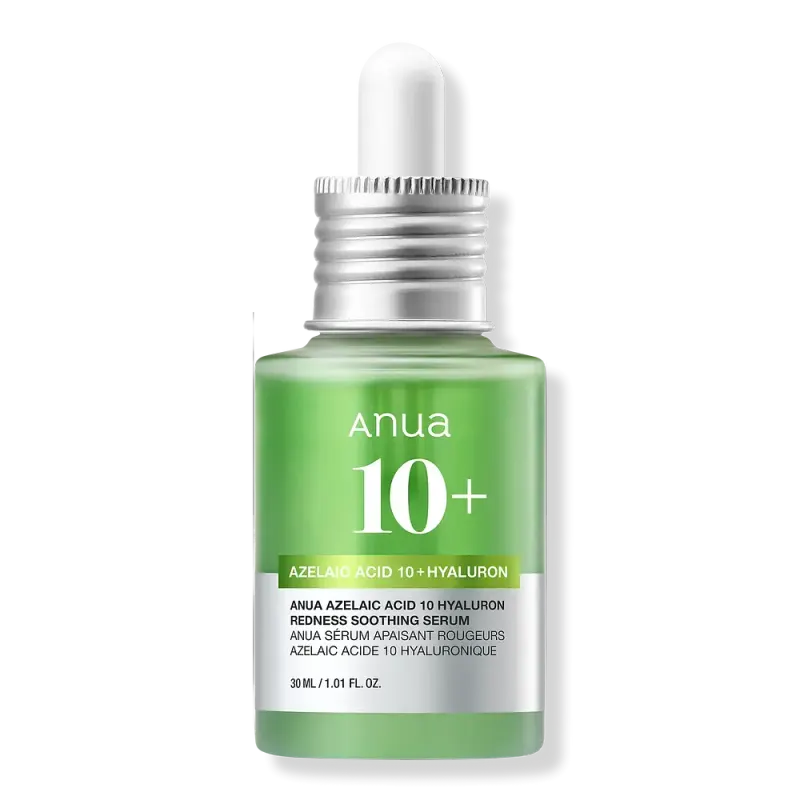
Anua Azelaic Acid 10 Hyaluron Redness Soothing Serum
Low risk78/100

Face Cleansers
This formula needs extra consideration during pregnancy. Review the flagged ingredients with your healthcare professional.
30 of 30 ingredients rated
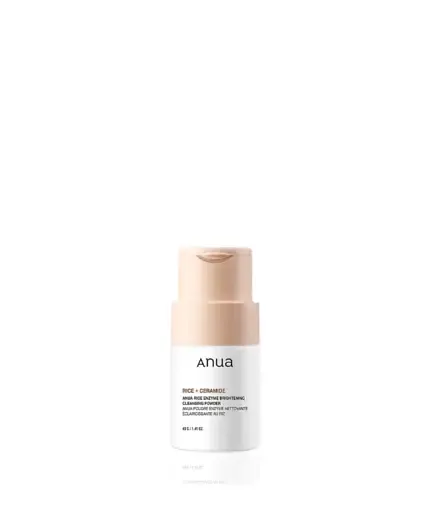
MamaSkin rates the recorded formula for Anua Rice Enzyme Brightening Cleansing Powder as Medium risk (58/100). Discuss the flagged ingredients with a qualified healthcare professional before using this formula during pregnancy.
The recorded formula includes 2 ingredient entries with risk flags: Alpha-Arbutin (Medium risk), Lactic Acid (Low risk). These are ingredient-level flags; they do not replace the stored product assessment or account for every formulation detail.
30 of 30 ingredient entries on this page have a recorded score, evidence summary and source text. That describes documentation coverage, not proof that the finished formula has been clinically tested during pregnancy.
How we assess productsThe recorded formula, with evidence behind each rating. Unmatched ingredients are marked Not assessed in grey.
Alpha-arbutin is a skin-brightening ingredient that inhibits tyrosinase and can be viewed as a glycosylated hydroquinone. The central safety signal is potential hydroquinone release/contamination plus systemic exposure from dermal absorption and aggregate exposure across multiple product types. Pregnancy-specific human outcome data for topical cosmetic exposure are limited; the medium-risk signal is hydroquinone-related concern and uncertainty rather than a robust pregnancy-specific safety dataset.
Sources: SCCS/1642/22: Alpha-arbutin and beta-arbutin in cosmetics https://health.ec.europa.eu/publications/safety-alpha-arbutin-and-beta-arbutin-cosmetic-products_en
Endogenous alpha-hydroxy acid and humectant; at modest cosmetic concentrations (≈5% and below, and generally <10%) topical lactic acid is considered compatible with pregnancy. Main risks are local irritation and increased photosensitivity rather than systemic toxicity or fetal effects.
Sources: MotherToBaby: Topical acne treatments in pregnancy and breastfeeding https://www.ncbi.nlm.nih.gov/books/NBK582985/
Corn starch, a plant-derived polysaccharide used to absorb moisture, reduce greasiness and improve texture. Cosmetic safety reviewers concluded that ingredients derived from Zea mays, including corn starch, are safe in current cosmetic use. No pregnancy-specific concern is identified for normal topical exposure; avoid deliberately inhaling loose powder.
Sources: CIR ingredient review: Zea mays (Corn) Starch https://www.cir-safety.org/ingredient/zea-mays-corn-starch
Sodium cocoyl isethionate is a cleansing surfactant. The Cosmetic Ingredient Review concluded that isethionate salts are safe in current cosmetic use when formulated to be non-irritating, and reviewed reproductive and developmental data did not identify a pregnancy-specific signal.
Sources: CIR: Amended Safety Assessment of Isethionate Salts as Used in Cosmetics https://cir-safety.org/supplementaldoc/amended-safety-assessment-isethionate-salts-used-cosmetics-0
An amino-acid-derived surfactant or conditioning ingredient. Cosmetic safety reviewers concluded that amino acid alkyl amides are safe in current cosmetic practices when formulated to be non-irritating. Manufacturing and formulation should control nitrosamine formation where relevant.
Sources: CIR: Safety Assessment of Amino Acid Alkyl Amides as Used in Cosmetics https://www.cir-safety.org/supplementaldoc/safety-assessment-amino-acid-alkyl-amides-used-cosmetics-0
A glycerin dimer used to attract moisture and improve skin feel. Cosmetic safety reviewers assessed diglycerin with related polyglycerins and concluded that they are safe in current practices of use and concentration. No pregnancy-specific concern was identified for normal topical cosmetic exposure.
Sources: CIR: Safety Assessment of Diglycerin and Polyglycerins as Used in Cosmetics https://www.cir-safety.org/panelbook/safety-assessment-diglycerin-and-polyglycerin-3-6-and-10-used-cosmetics
Allantoin is a soothing skin protectant commonly used to help reduce irritation and support comfort, with no known pregnancy or breastfeeding concerns in topical cosmetic use.
Sources: CIR; EU/UK Cosmetics Regulation
Polysaccharide carrier and bulking agent used for texture and delivery support. Reviewed cosmetic safety sources support normal topical use, with no pregnancy- or breastfeeding-specific topical signal identified in the material reviewed.
Sources: CIR: Safety Assessment of Polysaccharide Gums as Used in Cosmetics; EU CosIng / cosmetics regulatory inventory
A proteolytic enzyme derived from papaya and used for exfoliation. No pregnancy-specific systemic concern was identified for normal topical cosmetic exposure. Papain can irritate skin and can cause allergy, especially in people sensitive to papaya or latex.
Sources: European Commission CosIng ingredient inventory; PubMed literature on papain contact allergy, occupational sensitisation and topical cosmetic use.
A colour-index label for mineral aluminium-silicate clay preparations, including kaolin and bentonite. Cosmetic clay assessments support ordinary topical use with control of metals, crystalline silica and other impurities. No pregnancy-specific harm has been identified for this use; direct pregnancy studies are limited. Because the code can cover more than one clay, it should not be treated as proof of a particular grade. Inhaled or airbrush exposure is excluded from this assessment.
Sources: https://aei.pitt.edu/38689/1/A3622.pdf, https://www.cir-safety.org/sites/default/files/FAR_Clays_032023.pdf
An alkaline mineral salt used for deodorising, buffering and mild abrasion. Cosmetic safety reviewers concluded that sodium bicarbonate is safe in current practices. It can irritate sensitive or freshly shaved skin in some formulas.
Sources: CIR: Sodium Bicarbonate conclusion, 2025; December 2025 Quick Reference Table https://cir-safety.org/sites/default/files/QRT-Update-Dec2025.pdf
pH adjuster used in small amounts to maintain product stability. Not associated with pregnancy-specific concerns.
Sources: Scientific Committee on Consumer Safety (EU); European cosmetics regulatory framework
Polymer used for texture and absorbency. Large-molecule ingredient with low systemic exposure.
Sources: Cosmetic Ingredient Review (US); Scientific Committee on Consumer Safety (EU)
Water (Aqua) is the standard purified water used as a cosmetic solvent. It has no pregnancy-specific risk in normal topical use.
Sources: https://pubchem.ncbi.nlm.nih.gov/compound/Water, https://single-market-economy.ec.europa.eu/sectors/cosmetics/cosmetic-ingredient-database/cosing-glossary-ingredients_en
A cosmetic functional ingredient used for conditioning, texture or formula support. Available cosmetic-use information did not identify a reproductive or developmental hazard from normal topical exposure.
Sources: European Commission CosIng ingredient inventory; relevant CIR cosmetic safety assessments and peer-reviewed cosmetic-use literature.
oryza sativa lees extract is a botanical-derived cosmetic conditioning ingredient. The reviewed identity is not a concentrated essential oil or an oral herbal preparation. Available cosmetic evidence and expected topical exposure did not identify a pregnancy-specific contraindication, although botanical irritation or allergy remains possible.
Sources: CIR ingredient-specific and botanical-family safety assessments; CIR Quick Reference Table https://www.cir-safety.org/supplementaldoc/quick-reference-table-december-2025; European Commission CosIng
A botanical extract, plant water or plant juice used for conditioning, soothing or antioxidant support. Direct pregnancy studies of this exact cosmetic material were not identified, but no reproductive or developmental hazard was identified for normal topical exposure. Oral herbal or medicinal use is outside this classification.
Sources: European Commission CosIng ingredient inventory; CIR botanical safety framework and relevant plant-derived ingredient assessments; no ingredient-specific human pregnancy study of normal topical cosmetic use was identified.
1,2-Hexanediol is commonly used as a solvent and preservative booster; topical exposure is low and it has no known pregnancy or breastfeeding concerns at cosmetic concentrations, though very sensitive skin may occasionally react.
Sources: CIR; EU/UK Cosmetics Regulation
A rice-derived extract or wax used for skin conditioning, absorbency or texture. Cosmetic safety reviewers concluded that the assessed Oryza sativa-derived ingredients are safe in current cosmetic practices. Rice allergy remains possible in a susceptible person.
Sources: CIR: Rice-derived ingredients conclusions, IJT 25(Suppl. 2), 2006; December 2025 Quick Reference Table https://cir-safety.org/sites/default/files/QRT-Update-Dec2025.pdf
Solvent and humectant commonly used in leave-on products. Not associated with pregnancy-specific concerns at cosmetic exposure levels.
Sources: Cosmetic Ingredient Review (US); Scientific Committee on Consumer Safety (EU)
Dipropylene glycol is used as a solvent and carrier in cosmetics; topical exposure is low and it has no known pregnancy or breastfeeding concerns at cosmetic concentrations.
Sources: CIR; EU/UK Cosmetics Regulation
A mixture of smaller rice-protein peptides used for hair and skin conditioning. Cosmetic safety reviewers concluded that hydrolyzed rice protein is safe in current cosmetic practices. Protein sensitivity remains possible in susceptible people, but no pregnancy-specific concern was identified for normal topical exposure.
Sources: CIR: Safety Assessment of Plant-Derived Proteins and Peptides as Used in Cosmetics https://www.cir-safety.org/sites/default/files/plant-derived_proteins.pdf
oryza sativa seed protein is a cosmetic formulation, mineral, sugar-derived or organic-acid ingredient. Available identity, use and related safety evidence did not identify a pregnancy-specific concern for normal topical cosmetic exposure. Cosmetic-grade purity and ordinary irritation precautions remain applicable.
Sources: CIR ingredient and related-family safety assessments; CIR Quick Reference Table https://www.cir-safety.org/supplementaldoc/quick-reference-table-december-2025; European Commission CosIng
Skin-identical barrier lipid used to support the stratum corneum and reduce dryness. Reviewed cosmetic safety sources support normal topical use, with no pregnancy- or breastfeeding-specific topical signal identified in the material reviewed.
Sources: CIR: Safety Assessment of Ceramides as Used in Cosmetics; EU CosIng / cosmetics regulatory inventory
Vitamin C antioxidant used to support brightness and photoprotection; functions as an antioxidant/pH adjuster in cosmetic formulas. No pregnancy-specific contraindications are identified for topical cosmetic use.
Sources: CIR (Ascorbic Acid); PubMed (NLM)
A proteolytic enzyme used for exfoliation or processing. Local irritation or protein allergy is possible, but no pregnancy-specific systemic hazard was identified for normal topical use.
Sources: European Commission CosIng; CIR enzyme and protein safety framework.
Humectant and preservative booster used to support product stability. Low systemic exposure expected from topical cosmetic use.
Sources: Scientific Committee on Consumer Safety (EU); Cosmetic Ingredient Review (US)
Simple sugar used as a humectant and skin-conditioning support ingredient. Reviewed cosmetic ingredient references do not identify a pregnancy- or breastfeeding-specific concern for normal topical cosmetic use.
Sources: CIR: Safety Assessment of Monosaccharides, Disaccharides, and Related Ingredients as Used in Cosmetics; EU CosIng / cosmetics regulatory inventory
Glycerin is a widely used humectant that supports hydration and the skin barrier, with a long safety record and no known pregnancy or breastfeeding concerns in topical cosmetic use.
Sources: CIR; EU/UK Cosmetics Regulation
A naturally occurring hydroxy dicarboxylic acid used mainly to adjust pH, support exfoliation or condition skin. No pregnancy-specific systemic concern was identified for normal topical cosmetic exposure. At sufficiently high concentration or low pH, hydroxy acids can sting, irritate skin and increase sensitivity to other irritants; those local effects depend on the finished formulation rather than indicating reproductive toxicity.
Sources: CIR: Amended Safety Assessment of Malic Acid and Sodium Malate https://www.cir-safety.org/supplementaldoc/amended-safety-assessment-malic-acid-and-sodium-malate-used-cosmetics; CIR assessments of alpha-hydroxy acids as used in cosmetics; European Commission CosIng ingredient inventory for Malic Acid and Tartaric Acid.
Zea Mays Starch, Sodium Cocoyl Isethionate, Sodium Lauroyl Glutamate, Diglycerin, Allantoin, Maltodextrin, Papain, CI 77004, Sodium Bicarbonate, Citric Acid, Sodium Polyacrylate, Water, Oryza Sativa Powder, Oryza Sativa Lees Extract, Oryza Sativa Bran Water, 1,2-Hexanediol, Oryza Sativa Extract, Butylene Glycol, Dipropylene Glycol, Hydrolyzed Rice Protein, Oryza Sativa Seed Protein, Ceramide NP, Ascorbic Acid, Alpha-Arbutin, Protease, Caprylyl Glycol, Glucose, Glycerin, Tartaric Acid, Lactic Acid
Ingredient ratings refreshed 1 October 2026. Formulas vary by market and can change. Always compare with your packaging.
The recorded formula includes 2 ingredient entries with risk flags: Alpha-Arbutin (Medium risk), Lactic Acid (Low risk). These are ingredient-level flags; they do not replace the stored product assessment or account for every formulation detail. The product score is a stored assessment, not a clinical safety guarantee.
30 of 30 ingredient entries on this page have a recorded score, evidence summary and source text. That describes documentation coverage, not proof that the finished formula has been clinically tested during pregnancy.
Only if the ingredient list on your packaging matches the recorded formula shown here. Formulas can differ by market and change over time. Compare the full list, not just the product name; report a mismatch if it differs.
No. This page presents a pregnancy-focused product assessment. Do not infer a breastfeeding conclusion from its score or label; breastfeeding requires a separate assessment of the formula and how it is used.