Beauty of Joseon
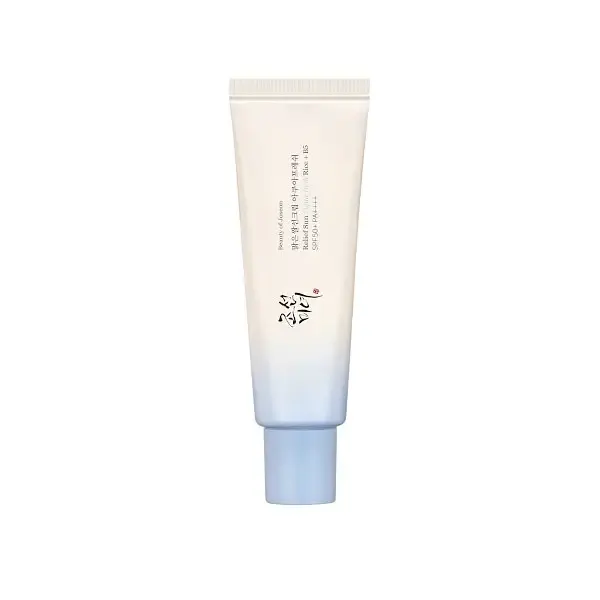
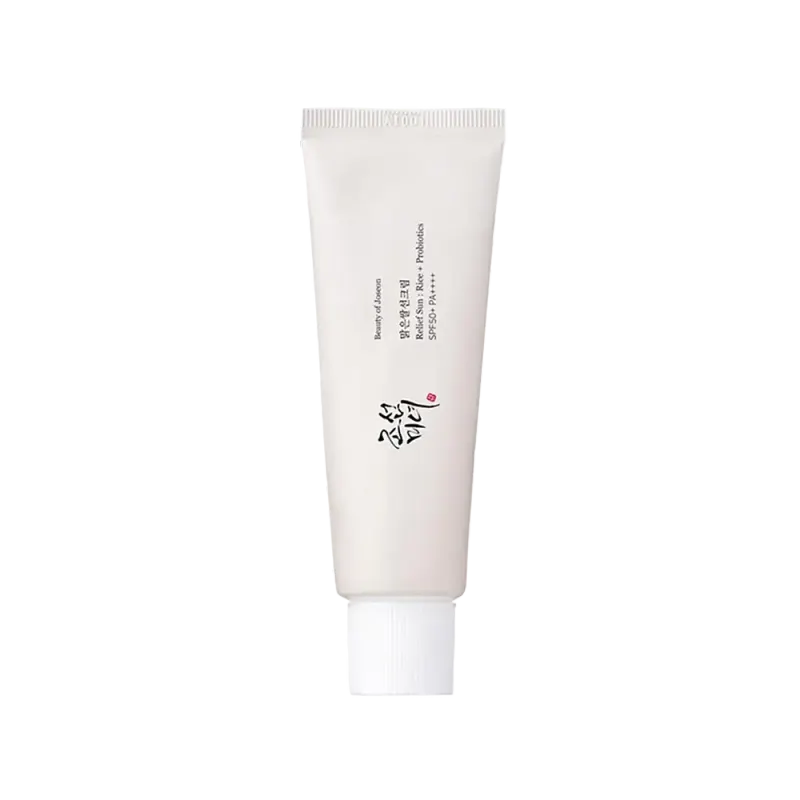
Beauty of Joseon Relief Sun : Rice + Probiotics SPF 50+ PA++++
No known risks99/100

Some ingredients carry a low-risk flag. Read the formulation context before deciding.
29 of 30 ingredients rated1 not assessed
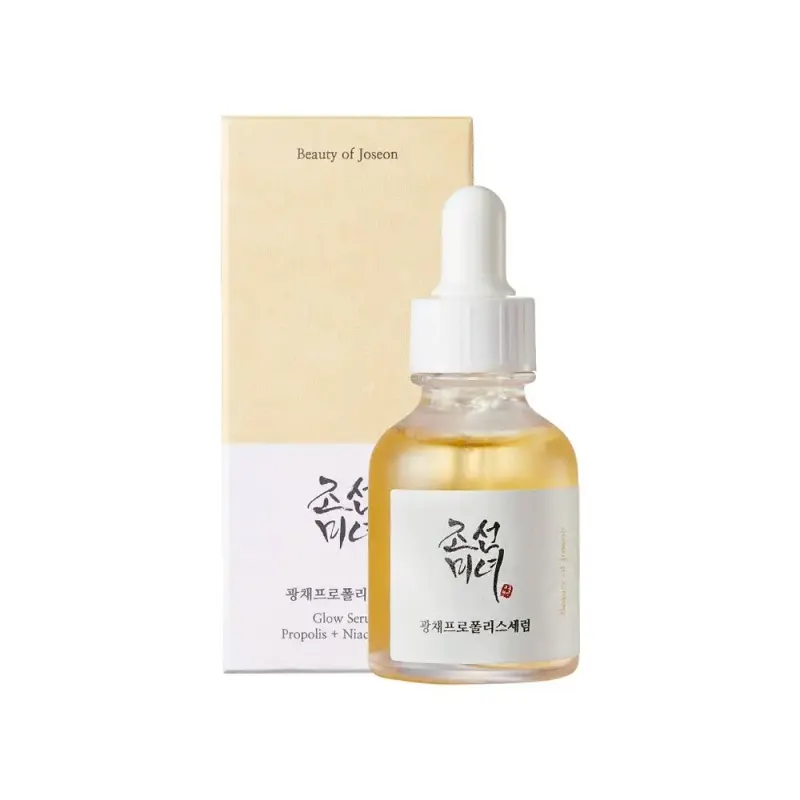
MamaSkin rates the recorded formula for Beauty of Joseon Glow Serum: Propolis + Niacinamide as Low risk (79/100). Review the ingredient context and any manual-review explanation before deciding.
The recorded formula includes 1 ingredient entry with a risk flag: Betaine Salicylate (Low risk). These are ingredient-level flags; they do not replace the stored product assessment or account for every formulation detail.
29 of 30 ingredient entries on this page have a recorded score, evidence summary and source text. 1 entry does not have all of those fields. Unmatched or unrated entries are marked Not assessed in grey; missing evidence does not establish safety.
How we assess productsThe recorded formula, with evidence behind each rating. Unmatched ingredients are marked Not assessed in grey.
Ester form of salicylic acid; hydrolyses to SA, low-strength topical use shows negligible systemic absorption - chemical peels ≥30 % should be avoided.
Sources: MotherToBaby: Topical acne treatments including salicylic acid https://www.ncbi.nlm.nih.gov/books/NBK582985/
No matched ingredient rating is available yet. Not assessed does not mean safe or unsafe.
A resinous bee-derived extract used for skin conditioning and antimicrobial support. Normal topical exposure has no identified pregnancy-specific concern. Propolis is a recognised contact allergen and should be avoided by someone who has reacted to propolis or related bee products.
Sources: European Commission CosIng ingredient inventory; PubMed literature on propolis contact allergy and topical use.
Dipropylene glycol is used as a solvent and carrier in cosmetics; topical exposure is low and it has no known pregnancy or breastfeeding concerns at cosmetic concentrations.
Sources: CIR; EU/UK Cosmetics Regulation
Glycerin is a widely used humectant that supports hydration and the skin barrier, with a long safety record and no known pregnancy or breastfeeding concerns in topical cosmetic use.
Sources: CIR; EU/UK Cosmetics Regulation
Solvent and humectant commonly used in leave-on products. Not associated with pregnancy-specific concerns at cosmetic exposure levels.
Sources: Cosmetic Ingredient Review (US); Scientific Committee on Consumer Safety (EU)
Water (Aqua) is the standard purified water used as a cosmetic solvent. It has no pregnancy-specific risk in normal topical use.
Sources: https://pubchem.ncbi.nlm.nih.gov/compound/Water, https://single-market-economy.ec.europa.eu/sectors/cosmetics/cosmetic-ingredient-database/cosing-glossary-ingredients_en
Niacinamide (vitamin B3) is widely used for barrier support and tone/texture benefits, and is generally considered safe in pregnancy and breastfeeding when used topically at cosmetic concentrations.
Sources: CIR; EU/UK Cosmetics Regulation
1,2-Hexanediol is commonly used as a solvent and preservative booster; topical exposure is low and it has no known pregnancy or breastfeeding concerns at cosmetic concentrations, though very sensitive skin may occasionally react.
Sources: CIR; EU/UK Cosmetics Regulation
Neem flower extract is used as a botanical skin-conditioning ingredient. A high-dose oral rat study altered the oestrous cycle and ovulation but did not show anti-implantation, abortifacient, or teratogenic effects. That oral dose does not establish a hazard from normal topical cosmetic exposure.
Sources: PubMed: high-dose oral neem flower extract reproductive study in rats https://pubmed.ncbi.nlm.nih.gov/19357745/; European Commission CosIng ingredient inventory. No human pregnancy study of normal topical cosmetic use was identified.
Neem leaf extract is used topically for skin conditioning and antimicrobial support. Reproductive concerns reported for concentrated neem seed preparations, intrauterine exposure, or high oral doses do not establish a hazard from normal topical cosmetic exposure to a leaf extract.
Sources: PubMed: oral purified neem seed extracts in primates https://pubmed.ncbi.nlm.nih.gov/8773426/; PubMed: intrauterine neem oil in primates https://pubmed.ncbi.nlm.nih.gov/8143455/; European Commission CosIng ingredient inventory. No human pregnancy study of normal topical cosmetic leaf-extract use was identified.
Sodium hyaluronate (hyaluronic acid salt) is used for hydration and cushioning, with very low systemic absorption from topical use and no known pregnancy or breastfeeding concerns at cosmetic concentrations.
Sources: CIR; EU/UK Cosmetics Regulation
Turmeric root extract is used for antioxidant and skin-conditioning effects. Pregnancy cautions relate mainly to concentrated oral supplements; normal topical cosmetic exposure is substantially smaller. The principal topical concern is irritation or allergy in sensitive users.
Sources: NIH NCCIH: Turmeric safety, including separate oral-supplement and topical cautions https://www.nccih.nih.gov/health/turmeric; European Commission CosIng ingredient inventory.
Holy basil leaf extract is used for antioxidant and skin-conditioning purposes. Available warnings and pharmacology largely concern oral herbal use. No pregnancy-specific systemic hazard was identified for normal topical exposure to a compliant cosmetic, although botanical sensitivity remains possible.
Sources: PubMed: oral toxicological evaluation of Ocimum sanctum leaf extract https://pubmed.ncbi.nlm.nih.gov/24616736/; European Commission CosIng ingredient inventory. No human pregnancy study of topical cosmetic use was identified.
A cosmetic extract from an edible fruit, seed, grain, root or mushroom used for conditioning or antioxidant support. Normal topical cosmetic exposure is much lower than ordinary dietary exposure to the source material, and no pregnancy-specific hazard signal was identified. Exact extract composition varies, so source quality and individual food or plant allergy remain relevant.
Sources: European Commission CosIng ingredient inventory; CIR botanical safety framework and relevant plant-derived ingredient assessments; FDA food ingredient and GRAS inventories where applicable.
A tea-tree leaf extract used for skin conditioning and antimicrobial support. Cosmetic safety reviewers concluded that the assessed Melaleuca alternifolia-derived ingredients are safe in current practices when formulated to be non-sensitising. This leaf extract is distinct from concentrated tea-tree essential oil, although botanical allergy remains possible.
Sources: CIR: Safety Assessment of Melaleuca alternifolia-Derived Ingredients as Used in Cosmetics https://cir-reports.cir-safety.org/view-attachment/?id=e1f5b6e9-8c74-ec11-8943-0022482f06a6
Botanical skin-conditioning ingredient used in soothing and barrier-support formulas. Reviewed cosmetic safety sources support current cosmetic use when formulated to be non-sensitising, with no pregnancy- or breastfeeding-specific topical concern identified in the material reviewed.
Sources: CIR: Safety Assessment of Centella asiatica-derived Ingredients as Used in Cosmetics; EU CosIng / cosmetics regulatory inventory
A red-algae-derived extract used for skin conditioning, hydration or formula texture. Cosmetic safety reviewers concluded that the assessed red algae ingredients, including this extract, are safe in current practices of use and concentration. Cosmetic manufacturers should control naturally occurring contaminants such as heavy metals and arsenic.
Sources: CIR: Safety Assessment of Red Algae-Derived Ingredients as Used in Cosmetics https://cir-reports.cir-safety.org/view-attachment/?id=cef5b6e9-8c74-ec11-8943-0022482f06a6
A triglyceride-rich plant oil or oil fraction used as an emollient and skin conditioner. Plant-derived fatty oils have low systemic toxicity and cosmetic review focuses mainly on irritation, sensitisation and source allergy. No pregnancy-specific hazard was identified for normal topical exposure.
Sources: CIR: Safety Assessment of Plant-Derived Fatty Acid Oils as Used in Cosmetics; relevant plant-family assessments; European Commission CosIng ingredient inventory.
A high-molecular-weight polymer used to thicken and stabilise formulas. Cosmetic safety reviewers assessed acryloyldimethyltaurate polymers and concluded that they are safe in current cosmetic practices. Absorption of the finished polymer is expected to be limited, with residual monomers controlled during manufacture.
Sources: CIR: Safety Assessment of Acryloyldimethyltaurate Polymers as Used in Cosmetics https://www.cir-safety.org/panelbook/safety-assessment-acryloyldimethyltaurate-polymers-used-cosmetics-1
pH adjuster and buffer used to stabilise formulations. Reviewed cosmetic safety sources support normal topical use, with no pregnancy- or breastfeeding-specific topical signal identified in the material reviewed.
Sources: CIR: Safety Assessment of Tromethamine as Used in Cosmetics; EU CosIng / cosmetics regulatory inventory
Polyglycerin fatty-acid ester used as an emulsifier and solubilizer. Reviewed cosmetic safety references do not identify a pregnancy- or breastfeeding-specific concern for normal topical cosmetic use.
Sources: CIR cosmetic ingredient safety references for polyglyceryl fatty acid esters; EU CosIng / cosmetics regulatory inventory
Humectant and preservative booster used to support product stability. Low systemic exposure expected from topical cosmetic use.
Sources: Scientific Committee on Consumer Safety (EU); Cosmetic Ingredient Review (US)
Preservative booster and skin-conditioning agent. Considered safe for cosmetic use with low systemic exposure when used as intended.
Sources: Scientific Committee on Consumer Safety (EU); Cosmetic Ingredient Review (US)
Starch-derived polysaccharide used as a binder, film former and texture support ingredient. Reviewed cosmetic ingredient references do not identify a pregnancy- or breastfeeding-specific concern for normal topical use.
Sources: CIR cosmetic ingredient safety references for polysaccharides/starch-derived ingredients; EU CosIng / cosmetics regulatory inventory
Humectant and preservative booster. Considered safe for cosmetic use with low systemic exposure.
Sources: Cosmetic Ingredient Review (US); Scientific Committee on Consumer Safety (EU)
A fatty ester, lipid-derived emulsifier or emollient used for texture and skin conditioning. These materials have low expected systemic exposure, and no pregnancy-specific reproductive or developmental hazard was identified for normal topical cosmetic use.
Sources: CIR safety assessments of fatty esters, glycerides and emollients as used in cosmetics; European Commission CosIng ingredient inventory.
Vitamin E antioxidant used to protect oils and support the skin barrier. Not associated with pregnancy-specific concerns at cosmetic exposure.
Sources: Cosmetic Ingredient Review (US); Scientific Committee on Consumer Safety (EU)
Natural polysaccharide thickener used for stability and texture. Not associated with pregnancy-specific concerns.
Sources: European cosmetics regulatory framework
Polymer thickener used to create gel textures. Large-molecule ingredient with negligible systemic absorption.
Sources: Cosmetic Ingredient Review (US); Scientific Committee on Consumer Safety (EU)
Propolis Extract, Dipropylene Glycol, Glycerin, Butylene Glycol, Water, Niacinamide, 1,2-Hexanediol, Melia Azadirachta Flower Extract, Melia Azadirachta Leaf Extract, Sodium Hyaluronate, Curcuma Longa Root Extract, Ocimum Sanctum Leaf Extract, Theobroma Cacao Seed Extract, Melaleuca Alternifolia Leaf Extract, Centella Asiatica Extract, Corallina Officinalis Extract, Lotus Corniculatus Seed Extract, Calophyllum Inophyllum Seed Oil, Betaine Salicylate, Sodium Polyacryloyldimethyl Taurate, Tromethamine, Polyglyceryl-10 Laurate, Caprylyl Glycol, Ethylhexylglycerin, Dextrin, Pentylene Glycol, Octanediol, Tocopherol, Xanthan Gum, Carbomer
Ingredient ratings refreshed 1 October 2026. Formulas vary by market and can change. Always compare with your packaging.
The recorded formula includes 1 ingredient entry with a risk flag: Betaine Salicylate (Low risk). These are ingredient-level flags; they do not replace the stored product assessment or account for every formulation detail. Incomplete ingredient documentation does not establish safety; see the coverage answer and grey entries below.
No. Niacinamide appears in the recorded formula, but its individual rating applies to that ingredient, not automatically to the whole product. Check the other ingredient ratings, any grey Not assessed entries and the stored product assessment. A niacinamide percentage or a product name is not a substitute for checking the full list.
29 of 30 ingredient entries on this page have a recorded score, evidence summary and source text. 1 entry does not have all of those fields. Unmatched or unrated entries are marked Not assessed in grey; missing evidence does not establish safety.
Only if the ingredient list on your packaging matches the recorded formula shown here. Formulas can differ by market and change over time. Compare the full list, not just the product name; report a mismatch if it differs.
No. This page presents a pregnancy-focused product assessment. Do not infer a breastfeeding conclusion from its score or label; breastfeeding requires a separate assessment of the formula and how it is used.