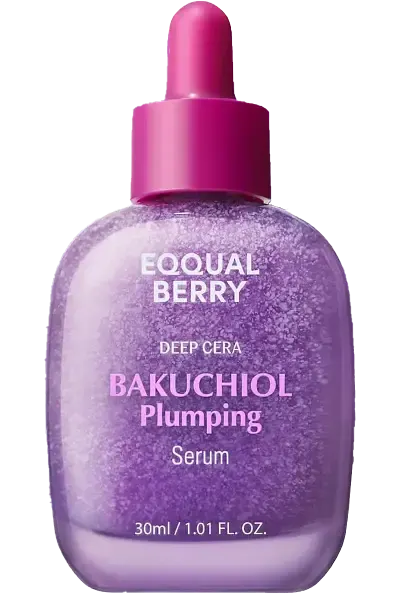
Eqqualberry Bakuchiol Plumping Serum by Eqqualberry
Eqqualberry

Eqqualberry Bakuchiol Plumping Serum

Serums

Safety score

Pregnancy-focused assessment

High Risk26/100
Higher concernLower concern

This formula contains a higher-risk ingredient in MamaSkin's current pregnancy-focused assessment.

Formula and assessment check

Ingredient safety review updated 1 August 2026. Product formulas can change, so compare the ingredients shown here with the packaging you have.

Report a formula mismatch

Ingredient breakdown

See how the listed formula falls across MamaSkin's pregnancy-focused risk bands.

74

No known risks

0

Low risk

0

Medium risk

1

High risk

Ingredients

Ingredients with a higher risk flag appear first, followed by the rest of the formula.

Salvia Officinalis Oil

High Risk

Sage-family essential oils, including Salvia officinalis and Salvia sclarea oils, are concentrated botanical volatile oils with limited pregnancy-specific cosmetic safety data. Salvia officinalis essential oil can contain thujone isomers; alpha-thujone has documented GABA-A receptor antagonism and convulsant activity in toxicology studies. Clary sage oil is chemically distinct but remains a concentrated essential oil with precautionary pregnancy restrictions in clinical aromatherapy and herbal safety references.

Sources: EMA/HMPC: Salvia officinalis essential oil assessment documents https://www.ema.europa.eu/en/medicines/herbal/salviae-officinalis-aetheroleum; Dosoky and Setzer 2021, Maternal Reproductive Toxicity of Some Essential Oils and Their Constituents https://pubmed.ncbi.nlm.nih.gov/33673548/
1,2-Hexanediol

No Known Risks

1,2-Hexanediol is commonly used as a solvent and preservative booster; topical exposure is low and it has no known pregnancy or breastfeeding concerns at cosmetic concentrations, though very sensitive skin may occasionally react.

Sources: CIR; EU/UK Cosmetics Regulation

2,3-Butanediol

No Known Risks

A small diol used as a solvent, humectant and formula-support ingredient. CIR assessed alkane diols used in cosmetics and concluded that the reviewed ingredients are safe in current practices of use and concentration when formulated to be non-irritating. No pregnancy-specific concern was identified for normal topical exposure.

Sources: CIR: Safety Assessment of Alkane Diols as Used in Cosmetics, final report from the 146th CIR Expert Panel Meeting https://cir-safety.org/meeting/146th-cir-expert-panel-meeting; European Commission CosIng ingredient inventory.

Show all (75)

Acetyl Hexapeptide-8

No Known Risks

Synthetic peptide used as a skin-conditioning ingredient. Reviewed cosmetic safety sources do not indicate a known pregnancy- or breastfeeding-specific concern in normal topical cosmetic use. The available cosmetic safety assessment concluded this ingredient is safe in cosmetics at concentrations up to 0.005%; safety above that concentration was not established in the reviewed report.

Sources: CIR Expert Panel, Safety Assessment of Acetyl Hexapeptide-8 Amide as Used in Cosmetics, final report, 2021

Acetyl Octapeptide-3

No Known Risks

Synthetic acetylated peptide used in topical cosmetic anti-aging formulas, commonly as an expression-line peptide. Available cosmetic ingredient references do not identify a pregnancy- or breastfeeding-specific concern for normal topical cosmetic use.

Sources: Schagen SK. Topical Peptide Treatments with Effective Anti-Aging Results. Cosmetics. 2017;4(2):16. doi:10.3390/cosmetics4020016; EU CosIng / INCI cosmetic ingredient references.

Acetyl Tetrapeptide-2

No Known Risks

Synthetic acetylated peptide used in topical cosmetic anti-aging and skin-conditioning formulas. Available cosmetic ingredient references do not identify a pregnancy- or breastfeeding-specific concern for normal topical cosmetic use.

Sources: Schagen SK. Topical Peptide Treatments with Effective Anti-Aging Results. Cosmetics. 2017;4(2):16. doi:10.3390/cosmetics4020016; EU CosIng / INCI cosmetic ingredient references.

Acetyl Tetrapeptide-3

No Known Risks

Synthetic acetylated peptide used in topical cosmetic hair/scalp and skin-conditioning formulas. Available cosmetic ingredient references do not identify a pregnancy- or breastfeeding-specific concern for normal topical cosmetic use.

Sources: Schagen SK. Topical Peptide Treatments with Effective Anti-Aging Results. Cosmetics. 2017;4(2):16. doi:10.3390/cosmetics4020016; EU CosIng / INCI cosmetic ingredient references.

Adenosine

No Known Risks

Skin-conditioning ingredient commonly used in leave-on skincare. Reviewed cosmetic safety sources support normal topical use, with no pregnancy- or breastfeeding-specific topical signal identified in the material reviewed.

Sources: CIR: Safety Assessment of Adenosine Ingredients as Used in Cosmetics; EU CosIng / cosmetics regulatory inventory

Allantoin

No Known Risks

Allantoin is a soothing skin protectant commonly used to help reduce irritation and support comfort, with no known pregnancy or breastfeeding concerns in topical cosmetic use.

Sources: CIR; EU/UK Cosmetics Regulation

Astaxanthin

No Known Risks

A carotenoid antioxidant used for colour and skin-conditioning support. Topical cosmetic exposure is expected to be much lower than dietary or supplemental exposure. No pregnancy-specific hazard was identified for normal topical use.

Sources: European Commission CosIng ingredient inventory; PubMed toxicology and topical cosmetic literature for astaxanthin. No ingredient-specific human pregnancy study of topical cosmetic use was identified.

Bakuchiol

No Known Risks

Bakuchiol is a plant-derived skincare ingredient used as a retinol alternative. Although it can show some retinol-like cosmetic effects, it is not a retinoid or vitamin A derivative. Human topical studies suggest good tolerability, and current literature does not identify a known pregnancy-specific risk signal for topical cosmetic use. Overall, it is generally considered a lower-concern alternative to retinoids in pregnancy, while recognising that direct pregnancy-specific studies remain limited.

Sources: PubMed (NLM): Chaudhuri & Bojanowski 2014 (PMID 24471735); Br J Dermatol bakuchiol vs retinol randomized trial (PMID 29947134); J Drugs Dermatol bakuchiol moisturizer trial in sensitive skin (PMID 33346506); J Drugs Dermatol systematic review of human topical bakuchiol trials (PMID 38564402); Contact Dermatitis case reports (PMIDs 30644106, 31423588); PMC review noting lack of pregnancy-specific studies (PMCID PMC10683784).

Betaine

No Known Risks

Betaine is a humectant/osmolyte used to support hydration and reduce irritation potential in formulas; it is considered low concern with no known pregnancy or breastfeeding risks in topical cosmetic use.

Sources: CIR; EU/UK Cosmetics Regulation

Butylene Glycol

No Known Risks

Solvent and humectant commonly used in leave-on products. Not associated with pregnancy-specific concerns at cosmetic exposure levels.

Sources: Cosmetic Ingredient Review (US); Scientific Committee on Consumer Safety (EU)

Butyrospermum Parkii Butter

No Known Risks

Butyrospermum parkii (shea) butter is an emollient/occlusive that supports the skin barrier; topical use is considered low concern with no known pregnancy or breastfeeding risks.

Sources: CIR; EU/UK Cosmetics Regulation

Carbomer

No Known Risks

Polymer thickener used to create gel textures. Large-molecule ingredient with negligible systemic absorption.

Sources: Cosmetic Ingredient Review (US); Scientific Committee on Consumer Safety (EU)

Ceramide Ap

No Known Risks

Skin-identical barrier lipid used to support barrier function and reduce dryness. Reviewed cosmetic safety sources support normal topical use, with no pregnancy- or breastfeeding-specific topical signal identified in the material reviewed.

Sources: CIR: Safety Assessment of Ceramides as Used in Cosmetics; EU CosIng / cosmetics regulatory inventory

Ceramide As

No Known Risks

A skin-identical barrier lipid used for skin and hair conditioning. Cosmetic safety reviewers concluded that Ceramide AS is safe in current cosmetic use, noting limited skin absorption and reassuring toxicity data. Cosmetic-grade material should not be sourced from bovine central nervous system tissue.

Sources: CIR: Safety Assessment of Ceramides https://www.cir-safety.org/supplementaldoc/safety-assessment-ceramides-used-cosmetics-0

Ceramide Eop

No Known Risks

Skin-identical barrier lipid used to support barrier structure and reduce dryness. Reviewed cosmetic safety sources support normal topical use, with no pregnancy- or breastfeeding-specific topical signal identified in the material reviewed.

Sources: CIR: Safety Assessment of Ceramides as Used in Cosmetics; EU CosIng / cosmetics regulatory inventory

Ceramide Np

No Known Risks

Skin-identical barrier lipid used to support the stratum corneum and reduce dryness. Reviewed cosmetic safety sources support normal topical use, with no pregnancy- or breastfeeding-specific topical signal identified in the material reviewed.

Sources: CIR: Safety Assessment of Ceramides as Used in Cosmetics; EU CosIng / cosmetics regulatory inventory

Ceramide Ns

No Known Risks

A skin-identical barrier lipid used for skin and hair conditioning. Cosmetic safety reviewers concluded that Ceramide NS is safe in current cosmetic use, noting limited skin absorption and reassuring toxicity data. Cosmetic-grade material should not be sourced from bovine central nervous system tissue.

Sources: CIR: Safety Assessment of Ceramides https://cir-safety.org/sites/default/files/cerami122014tent.pdf

Cetearyl Alcohol

No Known Risks

Fatty alcohol used as an emollient and thickener. Not the same as drying alcohols and not associated with pregnancy-specific concerns.

Sources: Cosmetic Ingredient Review (US); Scientific Committee on Consumer Safety (EU)

Cetyl Ethylhexanoate

No Known Risks

Lightweight emollient ester used to improve slip and skin feel. Reviewed cosmetic ingredient references do not identify a pregnancy- or breastfeeding-specific concern for normal topical cosmetic use.

Sources: CIR cosmetic ingredient safety references for alkyl esters/emollient esters; EU CosIng / cosmetics regulatory inventory

Cholesterol

No Known Risks

Skin-conditioning lipid used in barrier-support formulas, often alongside ceramides and fatty acids. Normal topical cosmetic use has no known pregnancy- or breastfeeding-specific concern identified in reviewed cosmetic references.

Sources: CIR cosmetic ingredient safety references for cholesterol and related sterols; EU CosIng / cosmetics regulatory inventory

Citrus Aurantium Bergamia Fruit Oil

No Known Risks

Bergamot essential oil used mainly for fragrance. No pregnancy-specific hazard is established for normal topical cosmetic exposure. Expressed bergamot oil can be phototoxic unless furocoumarins are controlled, so sun-exposed use should follow the finished product directions and applicable fragrance standards.

Sources: CIR: Safety Assessment of Citrus-Derived Peel Oils as Used in Cosmetics; IFRA Standard for phototoxicity of bergamot oil

Coccinia Indica Fruit Extract

No Known Risks

An ivy-gourd fruit extract used for skin conditioning and antioxidant support. No pregnancy- or breastfeeding-specific hazard was identified for normal topical cosmetic exposure. Direct ingredient-specific pregnancy studies were not identified, so this assessment does not extend to oral supplements or medicinal use.

Sources: European Commission CosIng ingredient inventory; Cosmetic Ingredient Review botanical safety-assessment framework and relevant ingredient-family assessments. No ingredient-specific human pregnancy study of normal topical cosmetic use was identified.

Copper Tripeptide-1

No Known Risks

Copper-binding carrier peptide also known as GHK-Cu, used topically in cosmetic skin-renewal, anti-aging, barrier-support and hair/scalp products. Reviewed literature describes topical cosmetic use and does not identify a pregnancy- or breastfeeding-specific risk signal for normal topical use. This assessment does not apply to injectable copper peptides or oral peptide/copper supplementation.

Sources: Schagen SK. Topical Peptide Treatments with Effective Anti-Aging Results. Cosmetics. 2017;4(2):16. doi:10.3390/cosmetics4020016; Pickart L et al. Regenerative and Protective Actions of the GHK-Cu Peptide in the Light of the New Gene Data. Int J Mol Sci. 2018;19(7):1987. doi:10.3390/ijms19071987.

Diethoxyethyl Succinate

No Known Risks

A cosmetic ester or glyceride used mainly for emollience, texture, dispersion or emulsification. The relevant fatty-acid, glyceryl, sorbitan, polyglyceryl and related ester safety assessments support use in current cosmetic practices. No pregnancy-specific hazard signal was identified for normal topical exposure; local irritation remains formulation-dependent.

Sources: CIR safety assessments of Fatty Acid Esters, Glyceryl Esters, Sorbitan Fatty Acid Esters, Polyglyceryl Fatty Acid Esters and Monoalkylglycol Dialkyl Acid Esters; CIR December 2025 Quick Reference Table https://cir-safety.org/sites/default/files/QRT-Update-Dec2025.pdf; European Commission CosIng ingredient inventory.

Dipropylene Glycol

No Known Risks

Dipropylene glycol is used as a solvent and carrier in cosmetics; topical exposure is low and it has no known pregnancy or breastfeeding concerns at cosmetic concentrations.

Sources: CIR; EU/UK Cosmetics Regulation

Disodium Edta

No Known Risks

Disodium EDTA is a chelating agent used to improve formula stability and performance; it is considered low concern in topical cosmetic use, with no known pregnancy or breastfeeding risks at typical concentrations.

Sources: CIR; EU/UK Cosmetics Regulation

Ethylhexylglycerin

No Known Risks

Preservative booster and skin-conditioning agent. Considered safe for cosmetic use with low systemic exposure when used as intended.

Sources: Scientific Committee on Consumer Safety (EU); Cosmetic Ingredient Review (US)

Glycerin

No Known Risks

Glycerin is a widely used humectant that supports hydration and the skin barrier, with a long safety record and no known pregnancy or breastfeeding concerns in topical cosmetic use.

Sources: CIR; EU/UK Cosmetics Regulation

Glyceryl Stearate

No Known Risks

Emulsifier and emollient used to stabilise creams and lotions. Not associated with pregnancy-specific concerns at cosmetic exposure.

Sources: Cosmetic Ingredient Review (US); Scientific Committee on Consumer Safety (EU)

Hexapeptide-9

No Known Risks

Synthetic cosmetic peptide used in topical anti-aging and skin-conditioning formulas. Available cosmetic ingredient references and topical peptide literature do not identify a known pregnancy- or breastfeeding-specific concern for normal topical cosmetic use.

Sources: Schagen SK. Topical Peptide Treatments with Effective Anti-Aging Results. Cosmetics. 2017;4(2):16. doi:10.3390/cosmetics4020016; EU CosIng / INCI cosmetic ingredient references.

Hyaluronic Acid

No Known Risks

High-water-binding humectant used to support hydration at the skin surface. Reviewed cosmetic safety sources support normal topical use, with no pregnancy- or breastfeeding-specific topical signal identified in the material reviewed.

Sources: CIR: Safety Assessment of Hyaluronates as Used in Cosmetics; EU CosIng / cosmetics regulatory inventory

Hydrogenated Lecithin

No Known Risks

Hydrogenated emulsifier used to support skin barrier feel. Not associated with pregnancy-specific concerns.

Sources: Cosmetic Ingredient Review (US)

Hydrolyzed Hyaluronic Acid

No Known Risks

Humectant and skin-conditioning ingredient in the hyaluronate family. Reviewed cosmetic safety sources support current cosmetic use, with no pregnancy- or breastfeeding-specific topical concern identified in the material reviewed.

Sources: CIR: Safety Assessment of Hyaluronates as Used in Cosmetics; EU CosIng / cosmetics regulatory inventory

Hydrolyzed Sodium Hyaluronate

No Known Risks

Humectant and skin-conditioning ingredient in the hyaluronate family. Reviewed cosmetic safety sources support current cosmetic use, with no pregnancy- or breastfeeding-specific topical concern identified in the material reviewed.

Sources: CIR: Safety Assessment of Hyaluronates as Used in Cosmetics; EU CosIng / cosmetics regulatory inventory

Hydroxyethyl Urea

No Known Risks

A humectant that helps skin and hair retain water. Cosmetic safety reviewers concluded that hydroxyethyl urea is safe in current cosmetic use when formulated to be non-irritating; reproductive and developmental data reviewed for the assessment did not identify a pregnancy-specific concern from normal topical exposure.

Sources: CIR: Safety Assessment of Hydroxyethyl Urea https://www.cir-safety.org/supplementaldoc/safety-assessment-hydroxyethyl-urea-used-cosmetics-0

Hydroxypropyltrimonium Hyaluronate

No Known Risks

Cationic hyaluronate derivative used as a humectant and conditioning ingredient. Reviewed topical hyaluronate safety sources support cosmetic use, with no pregnancy- or breastfeeding-specific concern identified.

Sources: CIR: Safety Assessment of Hyaluronates as Used in Cosmetics; EU CosIng / cosmetics regulatory inventory

Lavandula Angustifolia Oil

No Known Risks

Lavender oil is used in cosmetics mainly as a fragrance ingredient. For normal diluted topical cosmetic use, current evidence does not establish a pregnancy-specific concern. This assessment does not cover ingestion, concentrated essential-oil use, or aromatherapy-style exposure. The more relevant practical issues in skincare are irritation or sensitisation in some users, so within this methodology it remains in no known risks.

Sources: NCCIH: Lavender: Usefulness and Safety (2025); EMA HMPC: Lavandulae aetheroleum - herbal medicinal product; Bingham et al., Contact allergy and allergic contact dermatitis caused by lavender: A retrospective study from an Australian clinic (Contact Dermatitis, 2019).

Limonene

No Known Risks

Limonene is a common fragrance component used at low levels in cosmetics; it is not a pregnancy-specific concern in topical use, but it is a recognised fragrance allergen and may trigger irritation or sensitisation in some people, especially if the product oxidises over time.

Sources: EU/UK cosmetics (fragrance allergen labelling); IFRA; toxicology reviews

Linalool

No Known Risks

Linalool is a common fragrance component used at low levels in cosmetics; it is not a pregnancy-specific concern in topical use, but it is a recognised fragrance allergen and may trigger irritation or sensitisation in some people, especially if the product oxidises over time.

Sources: EU/UK cosmetics (fragrance allergen labelling); IFRA; toxicology reviews

Melia Azadirachta Flower Extract

No Known Risks

Neem flower extract is used as a botanical skin-conditioning ingredient. A high-dose oral rat study altered the oestrous cycle and ovulation but did not show anti-implantation, abortifacient, or teratogenic effects. That oral dose does not establish a hazard from normal topical cosmetic exposure.

Sources: PubMed: high-dose oral neem flower extract reproductive study in rats https://pubmed.ncbi.nlm.nih.gov/19357745/; European Commission CosIng ingredient inventory. No human pregnancy study of normal topical cosmetic use was identified.

Methylpropanediol

No Known Risks

Solvent and humectant used to improve texture and ingredient delivery in topical cosmetic formulas. Reviewed cosmetic ingredient references do not identify a pregnancy- or breastfeeding-specific concern for normal topical use.

Sources: CIR cosmetic ingredient safety references for alkane diols; EU CosIng / cosmetics regulatory inventory

Niacinamide

No Known Risks

Niacinamide (vitamin B3) is widely used for barrier support and tone/texture benefits, and is generally considered safe in pregnancy and breastfeeding when used topically at cosmetic concentrations.

Sources: CIR; EU/UK Cosmetics Regulation

Nonapeptide-1

No Known Risks

Synthetic cosmetic peptide used in topical brightening and skin-conditioning formulas. Reviewed cosmetic peptide literature and cosmetic ingredient references do not identify a pregnancy- or breastfeeding-specific concern for normal topical cosmetic use.

Sources: Schagen SK. Topical Peptide Treatments with Effective Anti-Aging Results. Cosmetics. 2017;4(2):16. doi:10.3390/cosmetics4020016; EU CosIng / INCI cosmetic ingredient references.

Octyldodecanol

No Known Risks

Fatty alcohol emollient used to improve spreadability and reduce drag. Reviewed cosmetic safety sources support normal topical use, with no pregnancy- or breastfeeding-specific topical signal identified in the material reviewed.

Sources: CIR ingredient status / report data sheet for Octyldodecanol; EU CosIng / cosmetics regulatory inventory

Oligopeptide-29

No Known Risks

oligopeptide-29 is an amino acid, peptide, protein-related or glycosaminoglycan cosmetic conditioning ingredient. Expected systemic exposure from normal topical use is low, and relevant cosmetic-family assessments did not identify a pregnancy-specific concern. Manufacturing quality and residual allergenic proteins remain relevant where applicable.

Sources: CIR assessments of alpha-amino acids, plant-derived amino acids, proteins and peptides https://www.cir-safety.org/supplementaldoc/safety-assessment-%CE%B1-amino-acids-used-cosmetics; European Commission CosIng

Oligopeptide-32

No Known Risks

oligopeptide-32 is an amino acid, peptide, protein-related or glycosaminoglycan cosmetic conditioning ingredient. Expected systemic exposure from normal topical use is low, and relevant cosmetic-family assessments did not identify a pregnancy-specific concern. Manufacturing quality and residual allergenic proteins remain relevant where applicable.

Sources: CIR assessments of alpha-amino acids, plant-derived amino acids, proteins and peptides https://www.cir-safety.org/supplementaldoc/safety-assessment-%CE%B1-amino-acids-used-cosmetics; European Commission CosIng

Oligopeptide-6

No Known Risks

Palmitoyl Pentapeptide-4

No Known Risks

Synthetic palmitoylated signal peptide used in topical anti-aging cosmetics. It is one of the better-studied cosmetic peptides, with reviewed topical literature describing controlled cosmetic studies and no pregnancy- or breastfeeding-specific concern for normal topical cosmetic use.

Sources: Schagen SK. Topical Peptide Treatments with Effective Anti-Aging Results. Cosmetics. 2017;4(2):16. doi:10.3390/cosmetics4020016; Robinson LR et al. Topical palmitoyl pentapeptide provides improvement in photoaged human facial skin. Int J Cosmet Sci. 2005;27(3):155-160.

Palmitoyl Tetrapeptide-7

No Known Risks

Synthetic signal peptide used in topical cosmetic anti-aging and skin-conditioning formulas. Reviewed topical peptide literature describes palmitoyl tetrapeptide-7 as a cosmetic peptide with anti-inflammatory and extracellular-matrix support activity in topical formulations. No pregnancy- or breastfeeding-specific risk signal was identified for normal topical cosmetic use.

Sources: Schagen SK. Topical Peptide Treatments with Effective Anti-Aging Results. Cosmetics. 2017;4(2):16. doi:10.3390/cosmetics4020016; CIR Expert Panel safety assessment of palmitoyl oligopeptides as used in cosmetics.

Palmitoyl Tripeptide-1

No Known Risks

Synthetic peptide used as a skin-conditioning ingredient. Reviewed cosmetic safety sources indicate no known pregnancy- or breastfeeding-specific concern in normal topical cosmetic use. Available cosmetic safety assessments conclude this ingredient is safe in the present practices of use and concentration described for cosmetics.

Sources: CIR Expert Panel, Safety Assessment of Tripeptide-1, Hexapeptide-12, their metal salts and fatty acyl derivatives, and Palmitoyl Tetrapeptide-7 as used in cosmetics, final report, 2014

Panthenol

No Known Risks

Panthenol (pro-vitamin B5) is used for soothing and barrier support and is generally well tolerated, with no known pregnancy or breastfeeding concerns in topical cosmetic use.

Sources: CIR; EU/UK Cosmetics Regulation

Pentaerythrityl Tetrabehenate

No Known Risks

Pentylene Glycol

No Known Risks

Humectant and preservative booster. Considered safe for cosmetic use with low systemic exposure.

Sources: Cosmetic Ingredient Review (US); Scientific Committee on Consumer Safety (EU)

Polyglyceryl-10 Laurate

No Known Risks

Polyglycerin fatty-acid ester used as an emulsifier and solubilizer. Reviewed cosmetic safety references do not identify a pregnancy- or breastfeeding-specific concern for normal topical cosmetic use.

Sources: CIR cosmetic ingredient safety references for polyglyceryl fatty acid esters; EU CosIng / cosmetics regulatory inventory

Polyglyceryl-4 Caprate

No Known Risks

An ester of polyglycerin and capric acid used as an emulsifier and skin-conditioning ingredient. Cosmetic safety reviewers concluded that polyglyceryl fatty acid esters, including Polyglyceryl-4 Caprate, are safe in current cosmetic use when formulated to be non-irritating.

Sources: CIR: Safety Assessment of Polyglyceryl Fatty Acid Esters https://www.cir-safety.org/sites/default/files/PGlyFE092016FR.pdf

Polysorbate 20

No Known Risks

Nonionic surfactant and solubiliser used to disperse oils and fragrance. Reviewed cosmetic safety sources support normal topical use, with no pregnancy- or breastfeeding-specific topical signal identified in the material reviewed.

Sources: CIR: Safety Assessment of Polysorbates as Used in Cosmetics; EU CosIng / cosmetics regulatory inventory

Potassium Hyaluronate

No Known Risks

Potassium hyaluronate is a salt of hyaluronic acid used as a surface humectant and skin conditioner. The Cosmetic Ingredient Review concluded that reviewed hyaluronates are safe in current cosmetic use, with no pregnancy- or breastfeeding-specific concern identified for normal topical exposure.

Sources: CIR: Safety Assessment of Hyaluronates as Used in Cosmetics https://www.cir-safety.org/supplementaldoc/safety-assessment-hyaluronates-used-cosmetics

Rubus Fruticosus Fruit Extract

No Known Risks

A botanical extract, juice or water used primarily for skin conditioning, moisturising, soothing or antioxidant support. Direct pregnancy studies of the named cosmetic material were not identified. No reproductive or developmental hazard was identified for normal topical exposure to a compliant finished cosmetic; oral herbal or medicinal use is outside this classification.

Sources: European Commission CosIng ingredient inventory; Cosmetic Ingredient Review botanical safety-assessment framework and relevant plant-family assessments. No ingredient-specific human pregnancy study of normal topical cosmetic use was identified.

Rubus Idaeus Fruit Extract

No Known Risks

A fruit, seed or food-plant extract used for skin conditioning and antioxidant support. No pregnancy-specific signal was identified for the low topical exposure expected from a finished cosmetic. Direct pregnancy studies are generally unavailable, and botanical allergy remains possible.

Sources: European Commission CosIng ingredient inventory; CIR botanical safety framework and relevant fruit-derived ingredient assessments; peer-reviewed cosmetic and phytochemical literature for the named plants.

Sambucus Nigra Fruit Extract

No Known Risks

A botanical extract, juice or water used primarily for skin conditioning, moisturising, soothing or antioxidant support. Direct pregnancy studies of the named cosmetic material were not identified. No reproductive or developmental hazard was identified for normal topical exposure to a compliant finished cosmetic; oral herbal or medicinal use is outside this classification.

Sources: European Commission CosIng ingredient inventory; Cosmetic Ingredient Review botanical safety-assessment framework and relevant plant-family assessments. No ingredient-specific human pregnancy study of normal topical cosmetic use was identified.

Sodium Acetylated Hyaluronate

No Known Risks

Modified hyaluronate humectant and skin-conditioning ingredient. Reviewed cosmetic safety sources support topical hyaluronate ingredients, with no pregnancy- or breastfeeding-specific concern identified for normal cosmetic use.

Sources: CIR: Safety Assessment of Hyaluronates as Used in Cosmetics; EU CosIng / cosmetics regulatory inventory

Sodium Carboxymethyl Beta-Glucan

No Known Risks

A modified beta-glucan polysaccharide used for skin conditioning. CIR included Sodium Carboxymethyl Beta-Glucan in its safe-as-used conclusion for microbial polysaccharide gums. Human irritation, sensitisation and photosensitisation data supported the cosmetic conclusion; no pregnancy-specific concern was identified for normal topical use.

Sources: CIR: Safety Assessment of Microbial Polysaccharide Gums as Used in Cosmetics https://www.cir-safety.org/sites/default/files/microb092012rep.pdf

Sodium Hyaluronate

No Known Risks

Sodium hyaluronate (hyaluronic acid salt) is used for hydration and cushioning, with very low systemic absorption from topical use and no known pregnancy or breastfeeding concerns at cosmetic concentrations.

Sources: CIR; EU/UK Cosmetics Regulation

Sodium Hyaluronate Crosspolymer

No Known Risks

Crosslinked hyaluronate humectant used to support hydration at the skin surface. Reviewed cosmetic safety sources support normal topical use, with no pregnancy- or breastfeeding-specific topical signal identified.

Sources: CIR: Safety Assessment of Hyaluronates as Used in Cosmetics; EU CosIng / cosmetics regulatory inventory

Sodium Lactate

No Known Risks

Humectant and buffer that also forms part of the skin's natural moisturising factor. Reviewed cosmetic safety sources support topical cosmetic use; irritation and sun-sensitivity considerations relate more to formula context than to pregnancy-specific risk.

Sources: CIR: Safety Assessment of Alpha Hydroxy Acids as Used in Cosmetics; CIR: PCA and Its Salts as Used in Cosmetics; EU CosIng / cosmetics regulatory inventory

Soluble Collagen

No Known Risks

A collagen preparation used for skin and hair conditioning. Cosmetic safety reviewers concluded that soluble collagen and related connective-tissue proteins are safe in current practices, subject to source and impurity controls that exclude prohibited cattle materials. Protein sensitivity remains possible in susceptible people.

Sources: CIR: Safety Assessment of Skin and Connective Tissue-Derived Proteins and Peptides https://cir-safety.org/sites/default/files/tsupep092017final.pdf

Squalane

No Known Risks

Lightweight emollient used to support the skin barrier. Not associated with pregnancy-specific concerns at cosmetic exposure levels.

Sources: Cosmetic Ingredient Review (US); Scientific Committee on Consumer Safety (EU)

Tromethamine

No Known Risks

pH adjuster and buffer used to stabilise formulations. Reviewed cosmetic safety sources support normal topical use, with no pregnancy- or breastfeeding-specific topical signal identified in the material reviewed.

Sources: CIR: Safety Assessment of Tromethamine as Used in Cosmetics; EU CosIng / cosmetics regulatory inventory

Vaccinium Angustifolium Fruit Extract

No Known Risks

A fruit, seed or food-plant extract used for skin conditioning and antioxidant support. No pregnancy-specific signal was identified for the low topical exposure expected from a finished cosmetic. Direct pregnancy studies are generally unavailable, and botanical allergy remains possible.

Sources: European Commission CosIng ingredient inventory; CIR botanical safety framework and relevant fruit-derived ingredient assessments; peer-reviewed cosmetic and phytochemical literature for the named plants.

Vaccinium Macrocarpon Fruit Extract

No Known Risks

A cosmetic extract from an edible fruit, seed, grain, root or mushroom used for conditioning or antioxidant support. Normal topical cosmetic exposure is much lower than ordinary dietary exposure to the source material, and no pregnancy-specific hazard signal was identified. Exact extract composition varies, so source quality and individual food or plant allergy remain relevant.

Sources: European Commission CosIng ingredient inventory; CIR botanical safety framework and relevant plant-derived ingredient assessments; FDA food ingredient and GRAS inventories where applicable.

Water

No Known Risks

Xanthan Gum

No Known Risks

Natural polysaccharide thickener used for stability and texture. Not associated with pregnancy-specific concerns.

Sources: European cosmetics regulatory framework

Formulations can change without notice. For the most accurate result, compare this list with your packaging and scan the exact ingredient label in MamaSkin when you repurchase.

How to use this assessment

The risk band is the primary conclusion. The score adds detail within that band and should not be used to compare products as if a one-point difference were clinically meaningful.

MamaSkin provides pregnancy-focused information, not medical advice. Your midwife, GP, pharmacist or dermatologist should take priority when your circumstances differ from typical cosmetic use.

Read the full methodology