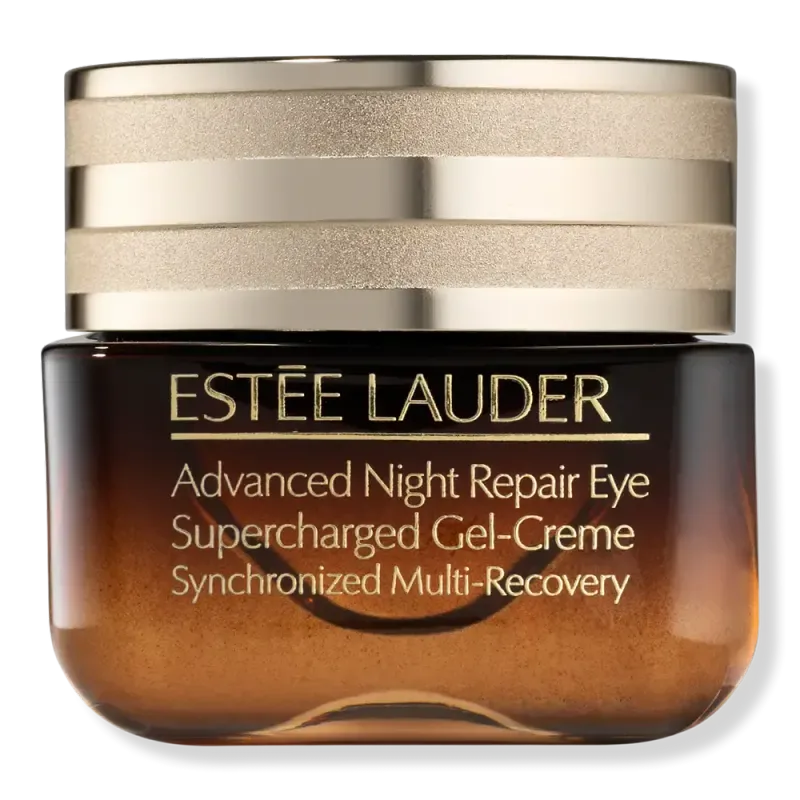
Estée Lauder Advanced Night Repair Supercharged Eye Gel-Cream by Estée Lauder
Estée Lauder

Estée Lauder Advanced Night Repair Supercharged Eye Gel-Cream

Eye Moisturizersmoisturisers

Safety score

Pregnancy-focused assessment

Medium Risk58/100
Higher concernLower concern

This formula contains an ingredient that needs extra caution in MamaSkin's pregnancy-focused assessment.

Formula and assessment check

Ingredient safety review updated 15 February 2026. Product formulas can change, so compare the ingredients shown here with the packaging you have.

Report a formula mismatch

Ingredient breakdown

See how the listed formula falls across MamaSkin's pregnancy-focused risk bands.

49

No known risks

5

Low risk

1

Medium risk

0

High risk

Ingredients

Ingredients with a higher risk flag appear first, followed by the rest of the formula.

BHT

Medium Risk

BHT (butylated hydroxytoluene) is a lipophilic antioxidant used to protect oils from oxidation. Animal studies at high (primarily oral) doses show liver enzyme induction and related biochemical changes; endocrine-screening lines of evidence have also been evaluated in regulatory reviews. Pregnancy-specific human outcome data for topical cosmetic exposure are limited; the key signal is systemic toxicology at higher exposures and uncertainty for pregnancy-specific outcomes.

Sources: EU SCCS Opinion on BHT (SCCS/1636/21; sccs_o_257.pdf, 2021); CIR: Safety Assessment of BHT as used in cosmetics.

Phenoxyethanol

Low Risk

Phenoxyethanol is a preservative permitted in EU cosmetics up to 1.0%. The SCCS concluded it is safe for cosmetic use at that level, including when considering higher cosmetic exposure scenarios in infants and young children. Main practical concern is irritation/stinging on very sensitive or compromised skin rather than a pregnancy- or breastfeeding-specific risk.

Sources: EU SCCS; EU Cosmetics Regulation (Annex V preservative limit), SCCS Opinion on Phenoxyethanol (SCCS/1575/16, 2016)

Dimethicone

Low Risk

Dimethicone is a silicone polymer used as a skin protectant and slip/conditioning agent. It is considered inert with minimal dermal absorption; the main practical issues are cosmetic (feel) and occasional irritation in very sensitive users. It is not a pregnancy-specific concern in topical cosmetic use.

Sources: CIR: Safety Assessment of Dimethicone, Methicone, and related ingredients as used in cosmetics (Methicones report; 2019/2022 update); EU CosIng entry for Dimethicone.

Show all (55)

Methyl Trimethicone

Low Risk

A lightweight volatile linear silicone used as a solvent and texture ingredient. Related linear methicone ingredients have reassuring cosmetic safety assessments, but an exact final Cosmetic Ingredient Review finding for Methyl Trimethicone was not located. MamaSkin classifies it as low risk because exact-ingredient pregnancy and inhalation data are limited, while no specific pregnancy contraindication has been identified for normal topical cosmetic use.

Sources: CIR: Safety Assessment of Dimethicone Methicone and Substituted-Methicone Polymers https://cir-safety.org/supplementaldoc/safety-assessment-dimethicone-methicone-and-substituted-methicone-polymers-used-cosm; CIR Quick Reference Table December 2025

Dimethicone/Vinyl Dimethicone Crosspolymer

Low Risk

A crosslinked silicone elastomer used for texture and oil absorption. Cosmetic safety reviewers concluded that dimethicone crosspolymers are safe in current cosmetic use. MamaSkin classifies the exact polymer as low risk for consistency with the existing dimethicone-family policy and because manufacturing controls are needed for residual monomers, rather than because of a known pregnancy-specific contraindication.

Sources: CIR: Safety Assessment of Dimethicone Crosspolymers as Used in Cosmetics https://www.cir-safety.org/sites/default/files/dimethcross_blue_092012.pdf

PEG/PPG-18/18 Dimethicone

Low Risk

Silicone derivative with negligible systemic absorption in topical cosmetic use; treated as low risk in pregnancy and breastfeeding.

Sources: PubMed, U.S. National Library of Medicine (NLM)

Water

No Known Risks

Bifida Ferment Lysate

No Known Risks

A non-live bacterial fermentation lysate used for skin conditioning. It is not the same as applying live bacteria. Available cosmetic safety information and the nature of the processed material do not identify a pregnancy-specific concern for normal topical exposure.

Sources: CIR yeast and bacterial ferment strategy and safety assessments; European Commission CosIng ingredient inventory for Bifida Ferment Lysate.

Propanediol

No Known Risks

Solvent and humectant used to improve texture and ingredient solubility. Low systemic exposure expected from topical cosmetic use.

Sources: Cosmetic Ingredient Review (US); Scientific Committee on Consumer Safety (EU)

Petrolatum

No Known Risks

Highly refined petrolatum (petroleum jelly) is a skin protectant/occlusive with minimal dermal penetration; safety depends on refining/PAH impurity controls and cosmetic/medical grades meet established standards.

Sources: USP White Petrolatum monograph (2021); Petry et al., Food and Chemical Toxicology (2017); PubMed (dermatology review)

Sucrose

No Known Risks

This sugar or sugar alcohol is used as a humectant and skin-conditioning ingredient. Cosmetic Ingredient Review assessments support these saccharides in current cosmetic use, with no pregnancy- or breastfeeding-specific concern identified for normal topical exposure.

Sources: CIR: Safety Assessment of Monosaccharides Disaccharides and Related Ingredients as Used in Cosmetics https://cir-safety.org/supplementaldoc/safety-assessment-monosaccharides-disaccharides-and-related-ingredients-used-cosmeti

Glycerin

No Known Risks

Glycerin is a widely used humectant that supports hydration and the skin barrier, with a long safety record and no known pregnancy or breastfeeding concerns in topical cosmetic use.

Sources: CIR; EU/UK Cosmetics Regulation

Butylene Glycol

No Known Risks

Solvent and humectant commonly used in leave-on products. Not associated with pregnancy-specific concerns at cosmetic exposure levels.

Sources: Cosmetic Ingredient Review (US); Scientific Committee on Consumer Safety (EU)

Acrylamide/Sodium Acryloyldimethyltaurate Copolymer

No Known Risks

A high-molecular-weight polymer used to thicken and stabilise formulas. Cosmetic safety reviewers concluded that acryloyldimethyltaurate polymers are safe in current practices. Residual monomers should be controlled during manufacture.

Sources: CIR: Acryloyldimethyltaurate Polymers final assessment, April 2017; December 2025 Quick Reference Table https://cir-safety.org/sites/default/files/QRT-Update-Dec2025.pdf

Trehalose

No Known Risks

Sugar-derived humectant used to help bind water and improve skin feel. Reviewed cosmetic ingredient references do not identify a pregnancy- or breastfeeding-specific concern for normal topical cosmetic use.

Sources: CIR: Safety Assessment of Monosaccharides, Disaccharides, and Related Ingredients as Used in Cosmetics; EU CosIng / cosmetics regulatory inventory

Tripeptide-32

No Known Risks

Adansonia Digitata Seed Extract

No Known Risks

Lavandula Angustifolia Flower Extract

No Known Risks

A plant-part extract used for skin conditioning, soothing, fragrance or antioxidant support. No pregnancy-specific systemic signal was identified for normal topical cosmetic exposure. This assessment does not extend to essential oils, oral herbal products or medicinal doses, and botanical sensitivity remains possible.

Sources: European Commission CosIng ingredient inventory; CIR botanical safety framework and relevant plant-derived ingredient assessments; peer-reviewed cosmetic-use literature.

Sodium Hyaluronate

No Known Risks

Sodium hyaluronate (hyaluronic acid salt) is used for hydration and cushioning, with very low systemic absorption from topical use and no known pregnancy or breastfeeding concerns at cosmetic concentrations.

Sources: CIR; EU/UK Cosmetics Regulation

Lactobacillus Ferment

No Known Risks

Ferment-derived skin-conditioning ingredient used in microbiome-support and soothing formulas. Reviewed cosmetic safety sources support current cosmetic use, with no pregnancy- or breastfeeding-specific topical concern identified in the material reviewed.

Sources: CIR: Safety Assessment of Lactobacillus Ferment Ingredients as Used in Cosmetics; EU CosIng / cosmetics regulatory inventory

Tocopheryl Acetate

No Known Risks

Tocopheryl acetate (vitamin E derivative) is used as an antioxidant and skin-conditioning ingredient; it is considered low concern in topical use with no known pregnancy or breastfeeding risks at cosmetic concentrations.

Sources: CIR; EU/UK Cosmetics Regulation

Yeast Extract

No Known Risks

A yeast-derived ferment, filtrate or extract used for skin conditioning. Cosmetic safety reviewers concluded that cosmetic ingredients derived from the reviewed yeast species are safe in current practices; this record applies to the standardized cosmetic INCI material, not an unspecified live culture.

Sources: CIR: Yeast-derived ingredients final assessment, June 2024; Galactomyces Ferment Filtrate conclusion; December 2025 Quick Reference Table https://cir-safety.org/sites/default/files/QRT-Update-Dec2025.pdf

Hypnea Musciformis Extract

No Known Risks

Sodium Rna

No Known Risks

Caffeine

No Known Risks

Methylxanthine used in cosmetics (e.g., de-puffing/firming and antioxidant support). No pregnancy-specific contraindications are identified for topical cosmetic use.

Sources: CIR (Methylxanthines); PubMed (NLM)

Squalane

No Known Risks

Lightweight emollient used to support the skin barrier. Not associated with pregnancy-specific concerns at cosmetic exposure levels.

Sources: Cosmetic Ingredient Review (US); Scientific Committee on Consumer Safety (EU)

Anthemis Nobilis Flower Oil

No Known Risks

A Roman chamomile flower extract or oil used for skin conditioning and fragrance. Cosmetic safety reviewers concluded that Anthemis nobilis-derived ingredients are safe in current practices when formulated to be non-sensitising. People allergic to plants in the daisy family may be more likely to react.

Sources: CIR: Safety Assessment of Anthemis nobilis-Derived Ingredients as Used in Cosmetics https://cir-safety.org/sites/default/files/anthem122013final.pdf

Poria Cocos Sclerotium Extract

No Known Risks

Citrullus Lanatus Fruit Extract

No Known Risks

A fruit, seed or food-plant extract used for skin conditioning and antioxidant support. No pregnancy-specific signal was identified for the low topical exposure expected from a finished cosmetic. Direct pregnancy studies are generally unavailable, and botanical allergy remains possible.

Sources: European Commission CosIng ingredient inventory; CIR botanical safety framework and relevant fruit-derived ingredient assessments; peer-reviewed cosmetic and phytochemical literature for the named plants.

Lens Esculenta Fruit Extract

No Known Risks

Pyrus Malus Fruit Extract

No Known Risks

An apple fruit extract used mainly for skin conditioning. Cosmetic safety reviewers concluded that Pyrus malus fruit extract and the other supported apple-derived ingredients are safe in current cosmetic practices of use and concentration. The conclusion does not extend to several separately identified root, stem, callus or oil ingredients for which evidence was insufficient. No pregnancy-specific concern was identified for normal topical use of the fruit extract.

Sources: CIR: Safety Assessment of Apple-Derived Ingredients as Used in Cosmetics https://cir-reports.cir-safety.org/view-attachment/?id=6376dcde-b1aa-f075-b67c-6f6773d065ce

Ethylhexylglycerin

No Known Risks

Preservative booster and skin-conditioning agent. Considered safe for cosmetic use with low systemic exposure when used as intended.

Sources: Scientific Committee on Consumer Safety (EU); Cosmetic Ingredient Review (US)

Sodium PCA

No Known Risks

Natural-moisturising-factor humectant that helps bind water in the stratum corneum. Reviewed cosmetic safety sources support normal topical use, with no pregnancy- or breastfeeding-specific topical signal identified in the material reviewed.

Sources: CIR: Safety Assessment of PCA and Its Salts as Used in Cosmetics; EU CosIng / cosmetics regulatory inventory

Phytosphingosine

No Known Risks

Skin-conditioning lipid used in barrier-support formulas, commonly alongside ceramides and cholesterol. Reviewed cosmetic ingredient references do not identify a pregnancy- or breastfeeding-specific concern for normal topical use.

Sources: CIR cosmetic ingredient safety references for sphingolipids/skin-conditioning lipids; EU CosIng / cosmetics regulatory inventory

Hydrolyzed Algin

No Known Risks

An algae- or seaweed-derived ingredient used for skin conditioning, moisturising or texture support. Composition and trace mineral content vary by source. No pregnancy-specific hazard was identified for normal topical cosmetic exposure; this does not assess oral seaweed supplements.

Sources: CIR: Safety Assessment of Brown Algae-Derived Ingredients as Used in Cosmetics; European Commission CosIng ingredient inventory; relevant algal cosmetic-ingredient literature.

Hordeum Distichon Extract

No Known Risks

Jojoba Esters

No Known Risks

Jojoba-derived wax esters used as emollients, texture agents and skin-conditioning ingredients. Reviewed cosmetic ingredient references do not identify a pregnancy- or breastfeeding-specific concern for normal topical use.

Sources: CIR cosmetic ingredient safety references for jojoba-derived ingredients/wax esters; EU CosIng / cosmetics regulatory inventory

Triticum Vulgare Germ Oil

No Known Risks

A plant-derived fatty oil or butter used mainly as an emollient, conditioning ingredient or texture agent. Cosmetic safety reviewers concluded that the assessed plant-derived fatty acid oils are safe in current practices of use and concentration. This conclusion applies to cosmetic-grade fixed oils rather than similarly named volatile essential oils. Seed or food allergy may still matter for a susceptible person.

Sources: CIR: Safety Assessment of Plant-Derived Fatty Acid Oils as Used in Cosmetics https://cir-reports.cir-safety.org/view-attachment/?id=ad62ac6b-8e74-ec11-8943-0022482f06a6

Hydrogenated Lecithin

No Known Risks

Hydrogenated emulsifier used to support skin barrier feel. Not associated with pregnancy-specific concerns.

Sources: Cosmetic Ingredient Review (US)

Lecithin

No Known Risks

Emulsifier and skin-conditioning ingredient composed of phospholipids. Not associated with pregnancy-specific concerns.

Sources: Cosmetic Ingredient Review (US)

Isohexadecane

No Known Risks

Low-viscosity isoparaffin emollient used for slip and lightweight texture. Reviewed cosmetic safety sources support normal topical use, with no pregnancy- or breastfeeding-specific topical signal identified in the material reviewed.

Sources: CIR: Safety Assessment of Isoparaffins as Used in Cosmetics / CIR Quick Reference Table (Isohexadecane); EU CosIng / cosmetics regulatory inventory

Jojoba Alcohol

No Known Risks

Isopropyl Jojobate

No Known Risks

Polysorbate 80

No Known Risks

Nonionic emulsifier and solubilizer used to disperse oils in cosmetic formulas. Reviewed cosmetic safety sources support normal topical use, with no pregnancy- or breastfeeding-specific topical signal identified.

Sources: CIR: Safety Assessment of Polysorbates as Used in Cosmetics; EU CosIng / cosmetics regulatory inventory

Acrylates/C10-30 Alkyl Acrylate Crosspolymer

No Known Risks

Polymer thickener and stabiliser used in creams and sunscreens. Low systemic exposure expected.

Sources: Cosmetic Ingredient Review (US); Scientific Committee on Consumer Safety (EU)

Tromethamine

No Known Risks

pH adjuster and buffer used to stabilise formulations. Reviewed cosmetic safety sources support normal topical use, with no pregnancy- or breastfeeding-specific topical signal identified in the material reviewed.

Sources: CIR: Safety Assessment of Tromethamine as Used in Cosmetics; EU CosIng / cosmetics regulatory inventory

Sorbitan Oleate

No Known Risks

This sorbitan fatty-acid ester is an emulsifier that helps oil and water phases remain mixed. The Cosmetic Ingredient Review concluded that sorbitan esters are safe in current cosmetic use; occasional contact reactions remain possible in sensitive users.

Sources: CIR: Safety Assessment of Sorbitan Esters as Used in Cosmetics https://www.cir-safety.org/supplementaldoc/safety-assessment-sorbitan-esters-used-cosmetics

Sodium Lactate

No Known Risks

Humectant and buffer that also forms part of the skin's natural moisturising factor. Reviewed cosmetic safety sources support topical cosmetic use; irritation and sun-sensitivity considerations relate more to formula context than to pregnancy-specific risk.

Sources: CIR: Safety Assessment of Alpha Hydroxy Acids as Used in Cosmetics; CIR: PCA and Its Salts as Used in Cosmetics; EU CosIng / cosmetics regulatory inventory

Polysorbate 40

No Known Risks

Potassium Gluconate

No Known Risks

Tocopherol

No Known Risks

Vitamin E antioxidant used to protect oils and support the skin barrier. Not associated with pregnancy-specific concerns at cosmetic exposure.

Sources: Cosmetic Ingredient Review (US); Scientific Committee on Consumer Safety (EU)

Potassium Sorbate

No Known Risks

Preservative widely used in foods and cosmetics. Considered safe at regulated concentrations with low systemic exposure from topical use.

Sources: Scientific Committee on Consumer Safety (EU); European cosmetics regulatory framework

Sodium Benzoate

No Known Risks

Preservative widely used in foods and cosmetics. Considered safe at regulated concentrations with low systemic exposure from topical use.

Sources: Scientific Committee on Consumer Safety (EU); European cosmetics regulatory framework

CI 77491

No Known Risks

Colour Index for iron oxides (red). Used as an insoluble mineral pigment in makeup and tinted skincare. Very low dermal absorption in typical topical use and generally considered acceptable in pregnancy and breastfeeding. Avoid inhaling loose powders or sprays if you prefer a cautious approach.

Sources: General cosmetic ingredient safety references for insoluble mineral pigments; exposure route considerations for powders/sprays.

CI 77492

No Known Risks

Colour Index for iron oxides (yellow). Used as an insoluble mineral pigment in makeup and tinted skincare. Very low dermal absorption in typical topical use and generally considered acceptable in pregnancy and breastfeeding. Avoid inhaling loose powders or sprays if you prefer a cautious approach.

Sources: General cosmetic ingredient safety references for insoluble mineral pigments; exposure route considerations for powders/sprays.

Formulations can change without notice. For the most accurate result, compare this list with your packaging and scan the exact ingredient label in MamaSkin when you repurchase.

How to use this assessment

The risk band is the primary conclusion. The score adds detail within that band and should not be used to compare products as if a one-point difference were clinically meaningful.

MamaSkin provides pregnancy-focused information, not medical advice. Your midwife, GP, pharmacist or dermatologist should take priority when your circumstances differ from typical cosmetic use.

Read the full methodology