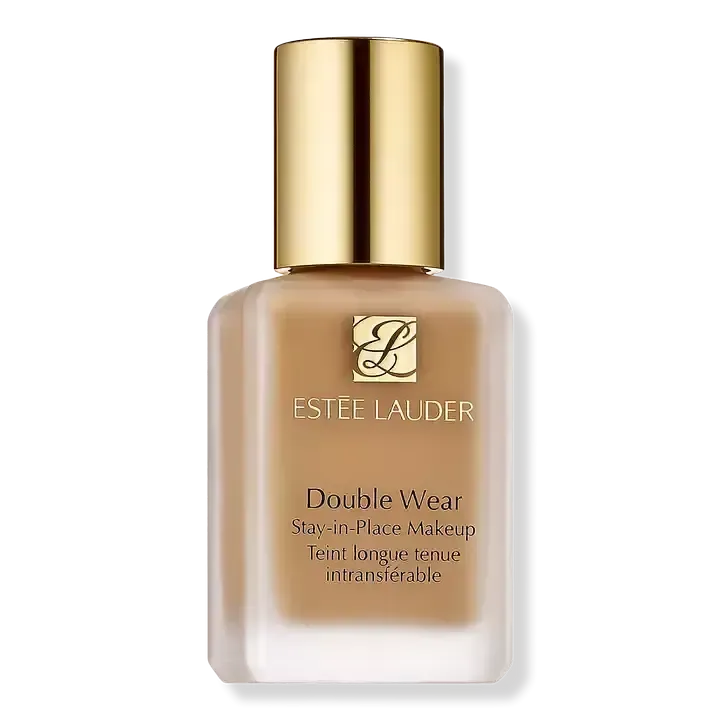
Estée Lauder Double Wear Stay-in-Place Foundation by Estée Lauder
Estée Lauder

Estée Lauder Double Wear Stay-in-Place Foundation

Foundationsmakeup

Safety score

Pregnancy-focused assessment

Low Risk75/100
Higher concernLower concern

One or more ingredients have a low-risk flag in MamaSkin's current assessment. Review the notes and your own circumstances.

Formula and assessment check

Ingredient safety review updated 24 November 2025. Product formulas can change, so compare the ingredients shown here with the packaging you have.

Report a formula mismatch

Ingredient breakdown

See how the listed formula falls across MamaSkin's pregnancy-focused risk bands.

19

No known risks

4

Low risk

0

Medium risk

0

High risk

Ingredients

Ingredients with a higher risk flag appear first, followed by the rest of the formula.

Phenoxyethanol

Low Risk

Phenoxyethanol is a preservative permitted in EU cosmetics up to 1.0%. The SCCS concluded it is safe for cosmetic use at that level, including when considering higher cosmetic exposure scenarios in infants and young children. Main practical concern is irritation/stinging on very sensitive or compromised skin rather than a pregnancy- or breastfeeding-specific risk.

Sources: EU SCCS; EU Cosmetics Regulation (Annex V preservative limit), SCCS Opinion on Phenoxyethanol (SCCS/1575/16, 2016)

Trimethylsiloxysilicate

Low Risk

A silicone resin used as a film former in long-wear makeup, sunscreen and hair products. Cosmetic safety reviewers concluded it is safe in current use when the finished product is not irritating or sensitizing to the respiratory tract. MamaSkin classifies it as low risk because the qualification depends on formulation and inhalation route rather than a known pregnancy-specific hazard from normal topical use.

Sources: CIR: Safety Assessment of Silylates and Surface-Modified Siloxysilicates; International Journal of Toxicology 32(Suppl. 1):5-24 (2013) https://cir-safety.org/ingredient/trimethylsiloxysilicate

PEG/PPG-18/18 Dimethicone

Low Risk

Silicone derivative with negligible systemic absorption in topical cosmetic use; treated as low risk in pregnancy and breastfeeding.

Sources: PubMed, U.S. National Library of Medicine (NLM)

Show all (23)

Methicone

Low Risk

A high-molecular-weight silicone polymer used for skin conditioning, water resistance and surface treatment. Cosmetic safety reviewers concluded that methicone-family polymers are safe in current cosmetic use when formulated to be non-irritating, but found insufficient evidence for airbrush inhalation exposure. MamaSkin therefore classifies it as low risk rather than a pregnancy-specific contraindication.

Sources: CIR: Safety Assessment of Dimethicone Methicone and Substituted-Methicone Polymers (Final Report 2022) https://cir-safety.org/supplementaldoc/safety-assessment-dimethicone-methicone-and-substituted-methicone-polymers-used-cosm

Water

No Known Risks

Cyclopentasiloxane

No Known Risks

Silicone emollient and solvent used to improve slip and spreadability. No known pregnancy- or breastfeeding-specific concern in normal topical cosmetic use based on reviewed cosmetic safety sources. Spray or aerosol formats may warrant extra caution because inhalation/local lung exposure concerns have been raised for those uses.

Sources: SCCS: Cyclopentasiloxane (D5) in cosmetic products; EU CosIng / cosmetics regulatory inventory

Butylene Glycol

No Known Risks

Solvent and humectant commonly used in leave-on products. Not associated with pregnancy-specific concerns at cosmetic exposure levels.

Sources: Cosmetic Ingredient Review (US); Scientific Committee on Consumer Safety (EU)

Tribehenin

No Known Risks

A triglyceride of behenic acid used as an emollient and structuring ingredient. Cosmetic safety reviewers assessed glyceryl triesters including tribehenin as safe in current cosmetic use, with no pregnancy- or breastfeeding-specific concern identified for normal topical exposure.

Sources: CIR: Final Report on Glyceryl Triesters https://cir-reports.cir-safety.org/view-attachment?id=315e3329-8e74-ec11-8943-0022482f06a6; CIR ingredient record: Tribehenin https://cir-safety.org/ingredient/tribehenin

Polyglyceryl-3 Diisostearate

No Known Risks

An ester of polyglycerin-3 and isostearic acid used as an emollient and emulsifier. Cosmetic safety reviewers assessed polyglyceryl fatty acid esters, including this ingredient, as safe in current cosmetic use when formulated to be non-irritating. No pregnancy-specific concern is identified for normal topical exposure.

Sources: CIR: Safety Assessment of Polyglyceryl Fatty Acid Esters https://www.cir-safety.org/sites/default/files/PGlyFE092016FR.pdf

Magnesium Sulfate

No Known Risks

Inorganic salt used as a viscosity-control, bulking or stabilizing ingredient in cosmetics. Reviewed cosmetic ingredient references do not identify a pregnancy- or breastfeeding-specific concern for normal topical use.

Sources: CIR cosmetic ingredient safety references for inorganic salts; EU CosIng / cosmetics regulatory inventory

Tocopheryl Acetate

No Known Risks

Tocopheryl acetate (vitamin E derivative) is used as an antioxidant and skin-conditioning ingredient; it is considered low concern in topical use with no known pregnancy or breastfeeding risks at cosmetic concentrations.

Sources: CIR; EU/UK Cosmetics Regulation

Polymethylsilsesquioxane

No Known Risks

A silicone resin used as a film former, texture enhancer and opacifying ingredient in makeup, sunscreen and skin care. The Cosmetic Ingredient Review concluded that polysilsesquioxanes including Polymethylsilsesquioxane are safe in current cosmetic use. Available evidence does not identify a pregnancy- or breastfeeding-specific concern for normal topical cosmetic exposure.

Sources: CIR: Safety Assessment of Polysilsesquioxanes as Used in Cosmetics (Final Report) https://cir-safety.org/sites/default/files/PLYSIL122017FR.pdf

Laureth-7

No Known Risks

An ethoxylated fatty alcohol used mainly as an emulsifier, surfactant or solubiliser. Cosmetic safety reviewers concluded that alkyl PEG/PPG ethers are safe in current practices when formulated to be non-irritating. Manufacturing controls should limit residual ethylene oxide and 1,4-dioxane.

Sources: CIR: Safety Assessment of Alkyl PEG/PPG Ethers as Used in Cosmetics https://cir-safety.org/supplementaldoc/safety-assessment-alkyl-peg/ppg-ethers-used-cosmetics

Xanthan Gum

No Known Risks

Natural polysaccharide thickener used for stability and texture. Not associated with pregnancy-specific concerns.

Sources: European cosmetics regulatory framework

Alumina

No Known Risks

An insoluble aluminum oxide mineral used as an absorbent, abrasive, bulking agent and surface treatment. The Cosmetic Ingredient Review concluded that alumina is safe in current cosmetic use. Normal topical exposure does not identify a pregnancy-specific concern; avoid deliberately inhaling loose powders or airbrush products.

Sources: CIR: Safety Assessment of Alumina and Aluminum Hydroxide https://www.cir-safety.org/panelbook/safety-assessment-alumina-and-aluminum-hydroxide-used-cosmetics

Sodium Dehydroacetate

No Known Risks

A preservative used at low concentrations to keep cosmetic formulas microbiologically stable. Cosmetic safety reviewers concluded that sodium dehydroacetate is safe in current cosmetic use and reaffirmed that conclusion in 2023 after reviewing updated exposure and safety information. Rare contact hypersensitivity has been reported, but no pregnancy-specific concern is identified for normal topical cosmetic exposure.

Sources: CIR: 2023 Re-Review Summary for Sodium Dehydroacetate and Dehydroacetic Acid https://www.cir-safety.org/sites/default/files/RRsum_SodiumDehydroacetate_122023.pdf

Disteardimonium Hectorite

No Known Risks

Mineral-derived organoclay thickener and suspension agent used in creams, makeup and sunscreens. It is expected to have low systemic exposure from topical use, with no pregnancy- or breastfeeding-specific concern identified in reviewed cosmetic references.

Sources: CIR cosmetic ingredient safety references for hectorite/quaternium hectorite ingredients; EU CosIng / cosmetics regulatory inventory

Cellulose Gum

No Known Risks

Cellulose-derived thickener and binder used to stabilise texture. Reviewed cosmetic safety sources support normal topical use, with no pregnancy- or breastfeeding-specific topical signal identified in the material reviewed.

Sources: CIR Quick Reference Table / Cellulose Gum amended safety assessment; EU CosIng / cosmetics regulatory inventory

Propylene Carbonate

No Known Risks

Solvent and viscosity-control ingredient used in cosmetic formulas, often with clay thickeners. Reviewed cosmetic ingredient references do not identify a pregnancy- or breastfeeding-specific concern for normal topical use.

Sources: CIR cosmetic ingredient safety references for carbonate solvents; EU CosIng / cosmetics regulatory inventory

Pentaerythrityl Tetra-Di-T-Butyl Hydroxyhydrocinnamate

No Known Risks

Antioxidant and stabilizer used to protect cosmetic formulas from oxidation. Reviewed cosmetic ingredient references do not identify a pregnancy- or breastfeeding-specific concern for normal topical cosmetic use.

Sources: CIR cosmetic ingredient safety references for hindered phenolic antioxidants; EU CosIng / cosmetics regulatory inventory

Iron Oxides

No Known Risks

Pigment family used to provide red, yellow and black colour in makeup and tinted skincare. Insoluble mineral pigments with very low dermal absorption in typical topical use. Generally considered acceptable in pregnancy and breastfeeding. If you prefer a cautious approach, avoid inhaling loose powders or sprays.

Sources: General cosmetic ingredient safety references for insoluble mineral pigments; exposure route considerations for powders/sprays.

Mica

No Known Risks

Mineral platelet used to add shimmer and improve texture in makeup and skincare. Very low dermal absorption in typical topical use and generally considered acceptable in pregnancy and breastfeeding. If you prefer a cautious approach, avoid inhaling loose powders or sprays.

Sources: General cosmetic ingredient safety references for inert minerals/pigments; exposure route considerations for powders/sprays.

CI 77891

No Known Risks

Colour Index name for titanium dioxide. Used as a pigment and (in some products) a mineral UV filter. For typical topical use in creams, lotions and makeup, systemic absorption is expected to be very low. Most concerns discussed in the literature relate to ingestion (E171) or inhalation from fine powders/sprays, and to nanoparticle characterisation. For routine topical cosmetic use, it is generally considered acceptable in pregnancy and breastfeeding; if you prefer a cautious approach, avoid inhaling loose powders or sprays.

Sources: EFSA opinion on titanium dioxide (E171) ingestion context; SCCS cosmetic opinions (incl. inhalation/nano considerations); general dermatology guidance on mineral sunscreens in pregnancy.

Formulations can change without notice. For the most accurate result, compare this list with your packaging and scan the exact ingredient label in MamaSkin when you repurchase.

How to use this assessment

The risk band is the primary conclusion. The score adds detail within that band and should not be used to compare products as if a one-point difference were clinically meaningful.

MamaSkin provides pregnancy-focused information, not medical advice. Your midwife, GP, pharmacist or dermatologist should take priority when your circumstances differ from typical cosmetic use.

Read the full methodology