MediCube
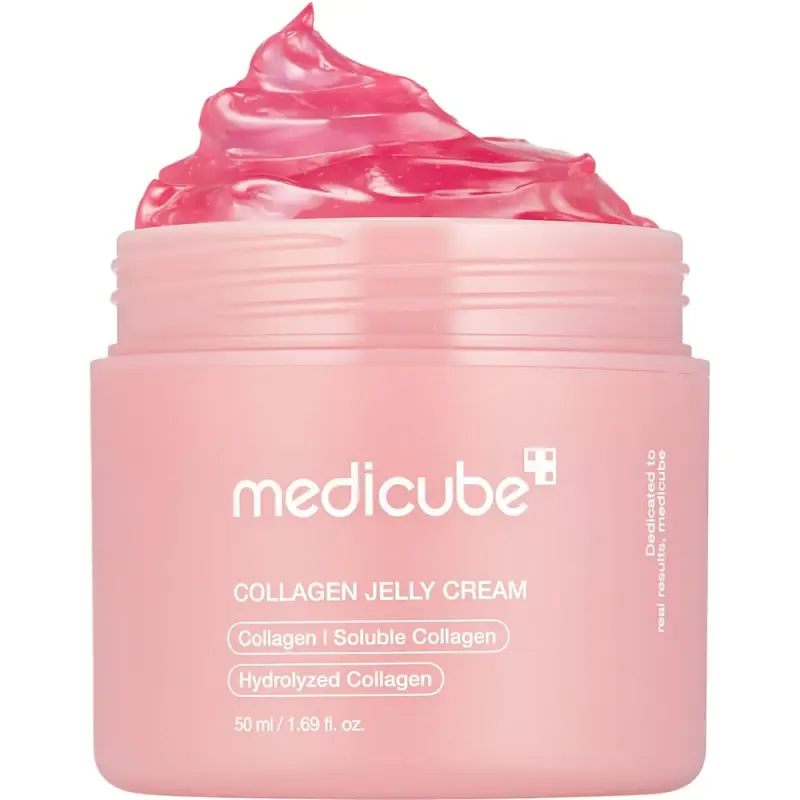
MediCube Collagen Jelly Cream
Low risk76/100

This formula needs extra consideration during pregnancy. Review the flagged ingredients with your healthcare professional.
61 of 61 ingredients rated
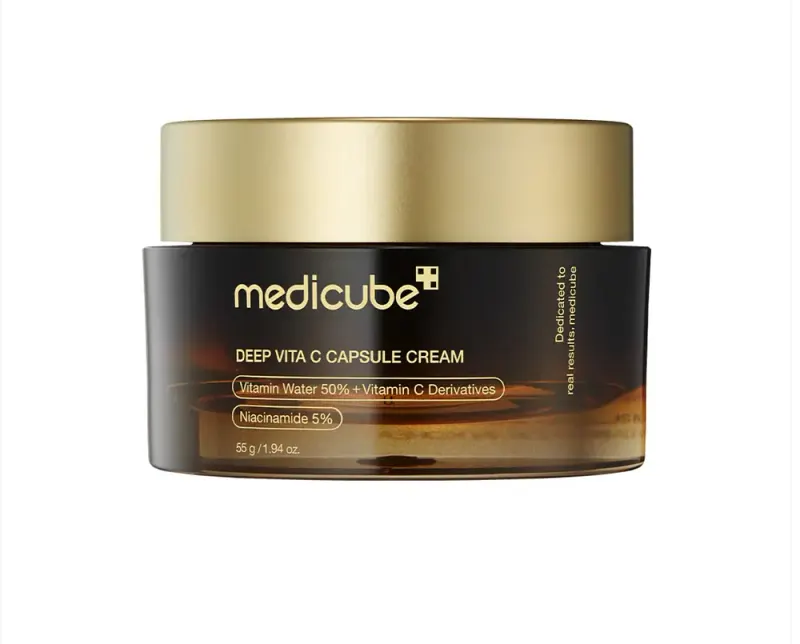
MamaSkin rates the recorded formula for MediCube Deep Vita C Capsule Cream as Medium risk (58/100). Discuss the flagged ingredients with a qualified healthcare professional before using this formula during pregnancy.
The recorded formula includes 4 ingredient entries with risk flags: Alpha-Arbutin (Medium risk), Simethicone (Low risk), Parfum (Low risk), plus others listed in the breakdown. These are ingredient-level flags; they do not replace the stored product assessment or account for every formulation detail.
61 of 61 ingredient entries on this page have a recorded score, evidence summary and source text. That describes documentation coverage, not proof that the finished formula has been clinically tested during pregnancy.
How we assess productsThe recorded formula, with evidence behind each rating. Unmatched ingredients are marked Not assessed in grey.
Alpha-arbutin is a skin-brightening ingredient that inhibits tyrosinase and can be viewed as a glycosylated hydroquinone. The central safety signal is potential hydroquinone release/contamination plus systemic exposure from dermal absorption and aggregate exposure across multiple product types. Pregnancy-specific human outcome data for topical cosmetic exposure are limited; the medium-risk signal is hydroquinone-related concern and uncertainty rather than a robust pregnancy-specific safety dataset.
Sources: SCCS/1642/22: Alpha-arbutin and beta-arbutin in cosmetics https://health.ec.europa.eu/publications/safety-alpha-arbutin-and-beta-arbutin-cosmetic-products_en
Umbrella term for an undisclosed fragrance blend. It’s not usually a pregnancy-specific concern at normal cosmetic use levels, but the exact components and concentrations aren’t fully disclosed on the label, so we score it more conservatively. If you prefer maximum transparency (or you’re sensitive to fragrance compounds), choose fragrance-free/unscented products.
Sources: SCCS: Fragrance allergens in cosmetic products https://health.ec.europa.eu/latest-updates/sccs-new-opinion-fragrance-allergens-cosmetic-products-2012-07-31_en
This ingredient is a silicone material documented within CIR's broader dimethicone and substituted-methicone family assessment. CIR concluded the reviewed ingredients safe as used when formulated to be non-irritating to skin and eyes. This is family-level cosmetic evidence, not ingredient-specific human pregnancy evidence for every material. MamaSkin therefore retains Low Risk without claiming negligible absorption for this individual ingredient.
Sources: CIR: Dimethicone and substituted-methicone polymer assessment https://cir-safety.org/supplementaldoc/safety-assessment-dimethicone-methicone-and-substituted-methicone-polymers-used-cosm
Polyhydroxy acid (PHA) used as a gentle exfoliant/humectant; generally less irritating than AHAs due to lower penetration. Considered safe as used in cosmetics, with no pregnancy-specific contraindications identified at topical cosmetic concentrations.
Sources: MotherToBaby: Topical acne treatments in pregnancy and breastfeeding https://www.ncbi.nlm.nih.gov/books/NBK582985/
hippophae rhamnoides water is a botanical-derived cosmetic conditioning ingredient. The reviewed identity is not a concentrated essential oil or an oral herbal preparation. Available cosmetic evidence and expected topical exposure did not identify a pregnancy-specific contraindication, although botanical irritation or allergy remains possible.
Sources: CIR ingredient-specific and botanical-family safety assessments; CIR Quick Reference Table https://www.cir-safety.org/supplementaldoc/quick-reference-table-december-2025; European Commission CosIng
Glycerin is a widely used humectant that supports hydration and the skin barrier, with a long safety record and no known pregnancy or breastfeeding concerns in topical cosmetic use.
Sources: CIR; EU/UK Cosmetics Regulation
Water (Aqua) is the standard purified water used as a cosmetic solvent. It has no pregnancy-specific risk in normal topical use.
Sources: https://pubchem.ncbi.nlm.nih.gov/compound/Water, https://single-market-economy.ec.europa.eu/sectors/cosmetics/cosmetic-ingredient-database/cosing-glossary-ingredients_en
Niacinamide (vitamin B3) is widely used for barrier support and tone/texture benefits, and is generally considered safe in pregnancy and breastfeeding when used topically at cosmetic concentrations.
Sources: CIR; EU/UK Cosmetics Regulation
Solvent and humectant used to improve texture and ingredient delivery in topical cosmetic formulas. Reviewed cosmetic ingredient references do not identify a pregnancy- or breastfeeding-specific concern for normal topical use.
Sources: CIR cosmetic ingredient safety references for alkane diols; EU CosIng / cosmetics regulatory inventory
Solvent and humectant used to improve texture and ingredient solubility. Low systemic exposure expected from topical cosmetic use.
Sources: Cosmetic Ingredient Review (US); Scientific Committee on Consumer Safety (EU)
1,2-Hexanediol is commonly used as a solvent and preservative booster; topical exposure is low and it has no known pregnancy or breastfeeding concerns at cosmetic concentrations, though very sensitive skin may occasionally react.
Sources: CIR; EU/UK Cosmetics Regulation
Solvent and humectant commonly used in leave-on products. Not associated with pregnancy-specific concerns at cosmetic exposure levels.
Sources: Cosmetic Ingredient Review (US); Scientific Committee on Consumer Safety (EU)
Dipropylene glycol is used as a solvent and carrier in cosmetics; topical exposure is low and it has no known pregnancy or breastfeeding concerns at cosmetic concentrations.
Sources: CIR; EU/UK Cosmetics Regulation
Common emollient derived from fatty acids and glycerin. Used to soften skin and improve texture without pregnancy-specific concerns.
Sources: Cosmetic Ingredient Review (US); Scientific Committee on Consumer Safety (EU)
An ethoxylated glycerin humectant used to retain moisture and improve product texture. The Cosmetic Ingredient Review assessed glycerin ethoxylates including Glycereth-26 for current cosmetic use; available evidence does not identify a pregnancy- or breastfeeding-specific concern from normal topical exposure.
Sources: CIR: Safety Assessment of Glycerin Ethoxylates https://cir-safety.org/supplementaldoc/safety-assessment-glycerin-ethoxylates-used-cosmetics
Lightweight emollient ester used to soften skin and improve glide. Reviewed cosmetic safety sources support normal topical use, with no pregnancy- or breastfeeding-specific topical signal identified in the material reviewed.
Sources: CIR: Amended Safety Assessment of Alkyl Esters as Used in Cosmetics; EU CosIng / cosmetics regulatory inventory
Fatty alcohol used as an emollient and thickener. Not the same as drying alcohols and not associated with pregnancy-specific concerns.
Sources: Cosmetic Ingredient Review (US); Scientific Committee on Consumer Safety (EU)
Amino acid used as a humectant, skin-conditioning agent, and pH-adjusting support ingredient. Reviewed cosmetic safety sources support normal topical use, with no pregnancy- or breastfeeding-specific topical signal identified in the material reviewed.
Sources: CIR: Safety Assessment of α-Amino Acids as Used in Cosmetics; EU CosIng / cosmetics regulatory inventory
Polymer thickener used to create gel textures. Large-molecule ingredient with negligible systemic absorption.
Sources: Cosmetic Ingredient Review (US); Scientific Committee on Consumer Safety (EU)
Polymer thickener used to stabilise emulsions. Large-molecule ingredient with low systemic absorption.
Sources: Cosmetic Ingredient Review (US); Scientific Committee on Consumer Safety (EU)
Emollient ester/emulsifier used to improve skin feel and stabilise emulsions. Reviewed cosmetic safety sources support topical cosmetic use; the relevant practical caveat is formulation irritation potential rather than a pregnancy-specific concern.
Sources: CIR: Amended Safety Assessment of Alkyl Esters as Used in Cosmetics; CIR Quick Reference Table (Cetearyl Olivate); EU CosIng / cosmetics regulatory inventory
Helianthus annuus (sunflower) seed oil is a common emollient rich in fatty acids and is generally well tolerated, with no known pregnancy or breastfeeding concerns in topical cosmetic use.
Sources: CIR; EU/UK Cosmetics Regulation
Olive-derived sorbitan ester used as an emulsifier and skin-conditioning ingredient. Reviewed cosmetic safety references do not identify a pregnancy- or breastfeeding-specific concern for normal topical use.
Sources: CIR: Safety Assessment of Sorbitan Esters as Used in Cosmetics; EU CosIng / cosmetics regulatory inventory
Polyglycerin fatty-acid ester used as an emulsifier and solubilizer. Reviewed cosmetic safety references do not identify a pregnancy- or breastfeeding-specific concern for normal topical cosmetic use.
Sources: CIR cosmetic ingredient safety references for polyglyceryl fatty acid esters; EU CosIng / cosmetics regulatory inventory
Preservative booster and skin-conditioning agent. Considered safe for cosmetic use with low systemic exposure when used as intended.
Sources: Scientific Committee on Consumer Safety (EU); Cosmetic Ingredient Review (US)
Skin-conditioning ingredient commonly used in leave-on skincare. Reviewed cosmetic safety sources support normal topical use, with no pregnancy- or breastfeeding-specific topical signal identified in the material reviewed.
Sources: CIR: Safety Assessment of Adenosine Ingredients as Used in Cosmetics; EU CosIng / cosmetics regulatory inventory
A high-molecular-weight acrylic polymer used to thicken, stabilise or form a film. Dermal absorption of the intact polymer is expected to be limited. Cosmetic polymer assessments support normal topical use when residual monomers are appropriately controlled.
Sources: CIR: Safety Assessments of Acrylates Copolymers and Crosspolymers as Used in Cosmetics; European Commission CosIng ingredient inventory.
Plant-derived emollient oil used to soften skin and support formula texture. Reviewed cosmetic safety sources support current cosmetic use, with no pregnancy- or breastfeeding-specific topical concern identified in the material reviewed.
Sources: CIR: Safety Assessment of Soy-Derived Ingredients as Used in Cosmetics; EU CosIng / cosmetics regulatory inventory
Disodium EDTA is a chelating agent used to improve formula stability and performance; it is considered low concern in topical cosmetic use, with no known pregnancy or breastfeeding risks at typical concentrations.
Sources: CIR; EU/UK Cosmetics Regulation
A large, mostly insoluble polymer used as a binder, film former and texture ingredient. Cosmetic safety reviewers concluded that polyisobutene is safe in current cosmetic use; slow absorption and reproductive data on related polybutene do not indicate a pregnancy-specific concern from normal topical exposure.
Sources: CIR: Final Report on Polyisobutene and Hydrogenated Polyisobutene https://www.cir-safety.org/sites/default/files/polyene.pdf
hydrolyzed sclerotium gum is a cosmetic formulation, mineral, sugar-derived or organic-acid ingredient. Available identity, use and related safety evidence did not identify a pregnancy-specific concern for normal topical cosmetic exposure. Cosmetic-grade purity and ordinary irritation precautions remain applicable.
Sources: CIR ingredient and related-family safety assessments; CIR Quick Reference Table https://www.cir-safety.org/supplementaldoc/quick-reference-table-december-2025; European Commission CosIng
Emulsifier and emollient used to stabilise creams and lotions. Not associated with pregnancy-specific concerns at cosmetic exposure.
Sources: Cosmetic Ingredient Review (US); Scientific Committee on Consumer Safety (EU)
Nonionic surfactant and solubiliser used to disperse oils and fragrance. Reviewed cosmetic safety sources support normal topical use, with no pregnancy- or breastfeeding-specific topical signal identified in the material reviewed.
Sources: CIR: Safety Assessment of Polysorbates as Used in Cosmetics; EU CosIng / cosmetics regulatory inventory
Emulsifier used to help oil and water phases remain mixed. Reviewed cosmetic safety sources support topical use in cosmetics; the main practical issue is irritation potential in some formulas rather than a pregnancy-specific concern.
Sources: CIR: Safety Assessment of Sorbitan Esters as Used in Cosmetics; EU CosIng / cosmetics regulatory inventory
Hydrogenated emulsifier used to support skin barrier feel. Not associated with pregnancy-specific concerns.
Sources: Cosmetic Ingredient Review (US)
bixa orellana seed oil is a fixed plant oil used mainly as an emollient. CIR's plant-derived oil assessment supports cosmetic use, with refining, oxidation control and possible residual allergenic proteins remaining relevant. No pregnancy-specific concern was identified for normal topical exposure; this does not extend to concentrated essential oils or ingestion.
Sources: CIR Safety Assessment of Plant-Derived Fatty Acid Oils https://cir-safety.org/sites/default/files/118_final_oils_web.pdf; European Commission CosIng
An ester of polyglycerin and stearic acid used as an emulsifier and skin-conditioning ingredient. Cosmetic safety reviewers concluded that polyglyceryl fatty acid esters, including Polyglyceryl-10 Stearate, are safe in current cosmetic use when formulated to be non-irritating.
Sources: CIR: Safety Assessment of Polyglyceryl Fatty Acid Esters https://www.cir-safety.org/sites/default/files/PGlyFE092016FR.pdf
Panthenol (pro-vitamin B5) is used for soothing and barrier support and is generally well tolerated, with no known pregnancy or breastfeeding concerns in topical cosmetic use.
Sources: CIR; EU/UK Cosmetics Regulation
A water-soluble vitamin C derivative used as an antioxidant and skin-conditioning ingredient. Cosmetic safety reviewers concluded that sodium ascorbyl phosphate and the reviewed ascorbates are safe in cosmetic use and later reaffirmed that conclusion after reviewing updated use and safety data. No pregnancy-specific concern is identified for normal topical exposure.
Sources: CIR ingredient record: Sodium Ascorbyl Phosphate https://www.cir-safety.org/ingredient/sodium-ascorbyl-phosphate; CIR: Safety Assessment and Re-Review of Ascorbic Acid and Ascorbates https://www.cir-safety.org/sites/default/files/RRSums_2.pdf
Humectant and preservative booster. Considered safe for cosmetic use with low systemic exposure.
Sources: Cosmetic Ingredient Review (US); Scientific Committee on Consumer Safety (EU)
A plant-derived phenolic antioxidant used to stabilise formulas and support photoprotection. Ferulic acid is extensively metabolised after dietary exposure, and normal topical cosmetic use is expected to produce far lower systemic exposure. No pregnancy- or breastfeeding-specific hazard signal was identified in the topical and toxicology literature reviewed; irritation remains possible in acidic formulas.
Sources: European Commission CosIng ingredient inventory; PubMed literature on topical ferulic acid, dermal delivery and antioxidant use; ECHA substance information for ferulic acid.
Vitamin E antioxidant used to protect oils and support the skin barrier. Not associated with pregnancy-specific concerns at cosmetic exposure.
Sources: Cosmetic Ingredient Review (US); Scientific Committee on Consumer Safety (EU)
A stable vitamin C derivative used as an antioxidant and skin-conditioning ingredient. The Cosmetic Ingredient Review concluded that ascorbyl glucoside is safe in current cosmetic use; normal topical exposure does not identify a pregnancy- or breastfeeding-specific concern.
Sources: CIR: Safety Assessment of Ascorbyl Glucoside and Sodium Ascorbyl Glucoside https://www.cir-safety.org/supplementaldoc/safety-assessment-ascorbyl-glucoside-and-sodium-ascorbyl-glucoside-used-cosmetics
A stable ether derivative of vitamin C used as an antioxidant and brightening ingredient. Pregnancy-specific topical studies are limited, but no pregnancy-specific contraindication was identified in the reviewed literature. Published case reports describe allergic contact dermatitis, so local sensitivity remains possible and this classification should not be read as proof that irritation cannot occur.
Sources: CIR: Safety Assessment of Ethers of Ascorbic Acid https://www.cir-safety.org/sites/default/files/ethers_of_ascorbate.pdf; PubMed: 3-O-ethyl-L-ascorbic acid topical delivery https://pubmed.ncbi.nlm.nih.gov/31517290/; PubMed: allergic contact dermatitis case report https://pubmed.ncbi.nlm.nih.gov/24846587/
A terpene alcohol used for skin conditioning and soothing. Cosmetic safety reviewers reaffirmed bisabolol as safe at current cosmetic concentrations, and reproductive and developmental testing did not identify adverse effects. Bisabolol can increase skin penetration, so formulators should consider the safety of other ingredients in the same product.
Sources: CIR: Final Report on the Safety Assessment of Bisabolol https://cir-reports.cir-safety.org/view-attachment/?id=6fcf160b-8e74-ec11-8943-0022482f06a6; CIR re-review material https://www.cir-safety.org/sites/default/files/bisabolol.pdf
Vitamin C antioxidant used to support brightness and photoprotection; functions as an antioxidant/pH adjuster in cosmetic formulas. No pregnancy-specific contraindications are identified for topical cosmetic use.
Sources: CIR (Ascorbic Acid); PubMed (NLM)
A synthetic soothing ingredient related to avenanthramide chemistry. Available cosmetic-use evidence does not identify a reproductive or developmental hazard from normal topical exposure.
Sources: European Commission CosIng; peer-reviewed literature on hydroxyphenyl propamidobenzoic acid.
Vitamin B6 used as a skin- or hair-conditioning ingredient. Pyridoxine is an essential nutrient, and no pregnancy-specific concern was identified for the small topical exposure expected from a finished cosmetic. This assessment does not replace guidance about oral supplements or therapeutic doses.
Sources: NIH Office of Dietary Supplements: Vitamin B6 Fact Sheet https://ods.od.nih.gov/factsheets/VitaminB6-HealthProfessional/; European Commission CosIng ingredient inventory; CIR review materials for Pyridoxine and Pyridoxine HCl.
Ubiquinone, also called coenzyme Q10, is an antioxidant and skin-conditioning ingredient. The Cosmetic Ingredient Review concluded that ubiquinone ingredients are safe in current cosmetic use; no pregnancy- or breastfeeding-specific concern is identified for normal topical exposure.
Sources: CIR: Safety Assessment of Ubiquinone Ingredients https://www.cir-safety.org/supplementaldoc/safety-assessment-ubiquinone-ingredients-used-cosmetics-0
Biotin (vitamin B7) is used as a skin- and hair-conditioning ingredient. The Cosmetic Ingredient Review concluded that biotin is safe as used in cosmetics; no pregnancy- or breastfeeding-specific concern is identified for normal topical use.
Sources: CIR: Biotin https://www.cir-safety.org/ingredient/biotin
A vitamin B ingredient or derivative used for skin or hair conditioning. These vitamins are normal nutrients and no pregnancy-specific concern was identified for the small topical exposure expected from a finished cosmetic. This assessment does not replace guidance about oral supplements or therapeutic doses.
Sources: NIH Office of Dietary Supplements vitamin fact sheets https://ods.od.nih.gov/factsheets/list-all/; CIR: Panthenol, Pantothenic Acid and Derivatives safety assessment https://www.cir-safety.org/supplementaldoc/safety-assessment-panthenol-pantothenic-acid-and-derivatives-used-cosmetics-1
Sodium hyaluronate (hyaluronic acid salt) is used for hydration and cushioning, with very low systemic absorption from topical use and no known pregnancy or breastfeeding concerns at cosmetic concentrations.
Sources: CIR; EU/UK Cosmetics Regulation
No pregnancy-specific harm has been identified for ordinary, correctly formulated topical cosmetic use of ascorbyl propyl hyaluronate. This is a bounded defined cosmetic chemical assessment; direct pregnancy studies of the exact material are limited and oral, medicinal, damaged-skin or aerosol exposure is not included.
Oil-soluble vitamin C derivative used as an antioxidant and skin-conditioning ingredient. Reviewed cosmetic ingredient references do not identify a pregnancy- or breastfeeding-specific concern for normal topical cosmetic use.
Sources: CIR cosmetic ingredient safety references for ascorbic acid derivatives; EU CosIng / cosmetics regulatory inventory
A vitamin B ingredient or derivative used for skin or hair conditioning. These vitamins are normal nutrients and no pregnancy-specific concern was identified for the small topical exposure expected from a finished cosmetic. This assessment does not replace guidance about oral supplements or therapeutic doses.
Sources: NIH Office of Dietary Supplements vitamin fact sheets https://ods.od.nih.gov/factsheets/list-all/; CIR: Panthenol, Pantothenic Acid and Derivatives safety assessment https://www.cir-safety.org/supplementaldoc/safety-assessment-panthenol-pantothenic-acid-and-derivatives-used-cosmetics-1
A vitamin B ingredient or derivative used for skin or hair conditioning. These vitamins are normal nutrients and no pregnancy-specific concern was identified for the small topical exposure expected from a finished cosmetic. This assessment does not replace guidance about oral supplements or therapeutic doses.
Sources: NIH Office of Dietary Supplements vitamin fact sheets https://ods.od.nih.gov/factsheets/list-all/; CIR: Panthenol, Pantothenic Acid and Derivatives safety assessment https://www.cir-safety.org/supplementaldoc/safety-assessment-panthenol-pantothenic-acid-and-derivatives-used-cosmetics-1
A vitamin B ingredient or derivative used for skin or hair conditioning. These vitamins are normal nutrients and no pregnancy-specific concern was identified for the small topical exposure expected from a finished cosmetic. This assessment does not replace guidance about oral supplements or therapeutic doses.
Sources: NIH Office of Dietary Supplements vitamin fact sheets https://ods.od.nih.gov/factsheets/list-all/; CIR: Panthenol, Pantothenic Acid and Derivatives safety assessment https://www.cir-safety.org/supplementaldoc/safety-assessment-panthenol-pantothenic-acid-and-derivatives-used-cosmetics-1
This naturally occurring fatty acid is used for emolliency, cleansing support or texture. The Cosmetic Ingredient Review concluded that assessed fatty acids are safe in current cosmetic use when formulated to be non-irritating and non-sensitizing; some can increase penetration of other formula ingredients.
Sources: CIR: Safety Assessment of Fatty Acids and Fatty Acid Salts as Used in Cosmetics https://cir-safety.org/supplementaldoc/safety-assessment-fatty-acids-fatty-acid-salts-used-cosmetic
A colour additive used in cosmetics. FDA lists caramel and beta-carotene as permitted cosmetic colour additives, including for eye-area and general cosmetic use, subject to applicable identity, purity and manufacturing requirements. No pregnancy-specific concern was identified from normal topical cosmetic exposure.
Sources: FDA: Color Additives Permitted for Use in Cosmetics https://www.fda.gov/cosmetics/cosmetic-ingredient-names/color-additives-permitted-use-cosmetics; 21 CFR Part 73.
rutin is a cosmetic antioxidant used to protect formulation oils and polymers. Available identity and hazard information did not identify a pregnancy-specific concern for normal topical cosmetic exposure. Contact sensitisation is possible in susceptible users, and cosmetic-grade purity remains important.
Sources: European Commission CosIng ingredient inventory; ECHA substance and classification information; CIR Quick Reference Table https://www.cir-safety.org/supplementaldoc/quick-reference-table-december-2025
No pregnancy-specific harm has been identified for ordinary, correctly formulated topical cosmetic use of hydroxycinnamic acid. This is a bounded defined cosmetic chemical assessment; direct pregnancy studies of the exact material are limited and oral, medicinal, damaged-skin or aerosol exposure is not included.
Hippophae Rhamnoides Water, Glycerin, Water, Niacinamide, Methylpropanediol, Propanediol, 1,2-Hexanediol, Butylene Glycol, Dipropylene Glycol, Caprylic/Capric Triglyceride, Glycereth-26, Ethylhexyl Palmitate, Cetearyl Alcohol, Arginine, Carbomer, Ammonium Acryloyldimethyltaurate/Vp Copolymer, Cetearyl Olivate, Helianthus Annuus Seed Oil, Sorbitan Olivate, Simethicone, Polyglyceryl-10 Laurate, Ethylhexylglycerin, Adenosine, Parfum, Polyacrylate-13, Glycine Soja Oil, Disodium EDTA, Polyisobutene, Hydrolyzed Sclerotium Gum, Glyceryl Stearate, Gluconolactone, Polysorbate 20, Sorbitan Isostearate, Hydrogenated Lecithin, Bixa Orellana Seed Oil, Polyglyceryl-10 Stearate, Alpha-Arbutin, Panthenol, Sodium Ascorbyl Phosphate, Pentylene Glycol, Ferulic Acid, Tocopherol, Ascorbyl Glucoside, 3-O-Ethyl Ascorbic Acid, Bisabolol, Ascorbic Acid, Hydroxyphenyl Propamidobenzoic Acid, Pyridoxine, Ubiquinone, Biotin, Folic Acid, Sodium Hyaluronate, Ascorbyl Propyl Hyaluronate, Ascorbyl Palmitate, Cyanocobalamin, Thiamine Hcl, Riboflavin, Linoleic Acid, Beta-Carotene, Rutin, Hydroxycinnamic Acid
Ingredient ratings refreshed 1 October 2026. Formulas vary by market and can change. Always compare with your packaging.
The recorded formula includes 4 ingredient entries with risk flags: Alpha-Arbutin (Medium risk), Simethicone (Low risk), Parfum (Low risk), plus others listed in the breakdown. These are ingredient-level flags; they do not replace the stored product assessment or account for every formulation detail. The product score is a stored assessment, not a clinical safety guarantee.
No. Niacinamide appears in the recorded formula, but its individual rating applies to that ingredient, not automatically to the whole product. Check the other ingredient ratings, any grey Not assessed entries and the stored product assessment. A niacinamide percentage or a product name is not a substitute for checking the full list.
61 of 61 ingredient entries on this page have a recorded score, evidence summary and source text. That describes documentation coverage, not proof that the finished formula has been clinically tested during pregnancy.
Only if the ingredient list on your packaging matches the recorded formula shown here. Formulas can differ by market and change over time. Compare the full list, not just the product name; report a mismatch if it differs.
No. This page presents a pregnancy-focused product assessment. Do not infer a breastfeeding conclusion from its score or label; breastfeeding requires a separate assessment of the formula and how it is used.