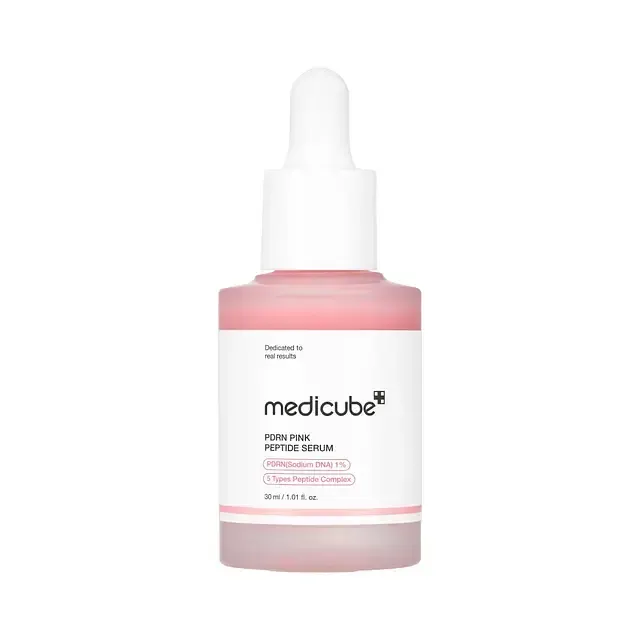
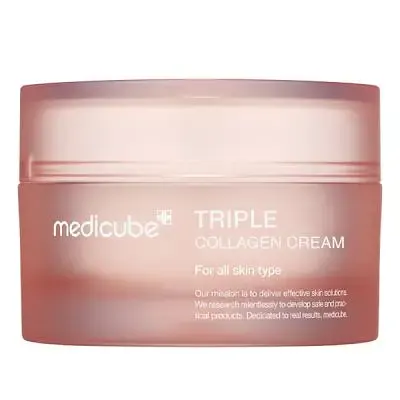
MediCube Triple Collagen Cream by MediCube
MediCube

MediCube Triple Collagen Cream

General Moisturizersmoisturisers

Safety score

Pregnancy-focused assessment

Medium Risk58/100
Higher concernLower concern

This formula contains an ingredient that needs extra caution in MamaSkin's pregnancy-focused assessment.

Formula and assessment check

Ingredient safety review updated 24 August 2026. Product formulas can change, so compare the ingredients shown here with the packaging you have.

Report a formula mismatch

Ingredient breakdown

See how the listed formula falls across MamaSkin's pregnancy-focused risk bands.

62

No known risks

4

Low risk

1

Medium risk

0

High risk

Ingredients

Ingredients with a higher risk flag appear first, followed by the rest of the formula.

Benzyl Salicylate

Medium Risk

Benzyl salicylate is a fragrance ingredient that is also evaluated for potential endocrine activity and sensitisation. SCCS notes some indications for endocrine mode of action, and fragrance allergens are relevant for contact allergy risk; pregnancy-specific human outcome data for topical exposure are limited. The medium-risk signal is endocrine-related uncertainty and sensitisation potential rather than a defined pregnancy-specific toxicity dataset.

Sources: SCCS/1656/23: Benzyl salicylate https://health.ec.europa.eu/publications/benzyl-salicylate-cas-no-118-58-1-ec-no-204-262-9_en
Parfum

Low Risk

Umbrella term for an undisclosed fragrance blend. It’s not usually a pregnancy-specific concern at normal cosmetic use levels, but the exact components and concentrations aren’t fully disclosed on the label, so we score it more conservatively. If you prefer maximum transparency (or you’re sensitive to fragrance compounds), choose fragrance-free/unscented products.

Sources: SCCS: Fragrance allergens in cosmetic products https://health.ec.europa.eu/latest-updates/sccs-new-opinion-fragrance-allergens-cosmetic-products-2012-07-31_en

Cyclohexasiloxane

Low Risk

A volatile cyclic silicone also known as D6, used for slip and quick-drying texture. Normal topical exposure is expected to be limited, but exact-ingredient pregnancy evidence is limited and cyclic siloxanes have route-specific toxicology and regulatory considerations. MamaSkin therefore classifies it as low risk rather than a pregnancy contraindication.

Sources: CIR: Safety Assessment of Cyclomethicone https://cir-safety.org/ingredient/cyclomethicone; ECHA: Octamethylcyclotetrasiloxane, Decamethylcyclopentasiloxane and Dodecamethylcyclohexasiloxane restriction https://echa.europa.eu/hot-topics/siloxanes

Show all (67)

Aesculus Hippocastanum Extract

Low Risk

Aesculus Hippocastanum Extract is an unqualified horse-chestnut extract whose INCI name does not state the plant part or preparation. EMA says pregnancy and lactation safety of medicinal horse-chestnut seed preparations has not been established and does not recommend those medicinal preparations when data are absent. Ordinary topical cosmetic exposure is substantially lower than medicinal use, and no established reproductive hazard supports a higher band, so MamaSkin uses precautionary Low Risk rather than Medium or High Risk.

Sources: EMA European Union herbal monograph on Aesculus hippocastanum L., semen https://www.ema.europa.eu/en/documents/herbal-monograph/european-union-herbal-monograph-aesculus-hippocastanum-l-semen-final-revision-1_en.pdf; FDA GSRS Horse Chestnut identity https://precision.fda.gov/ginas/app/ui/browse-substance?search=root_codes_comments%3A%22Horse+Chestnut%22.

Dimethicone

Low Risk

Dimethicone is a silicone polymer used as a skin protectant and slip/conditioning agent. It is considered inert with minimal dermal absorption; the main practical issues are cosmetic (feel) and occasional irritation in very sensitive users. It is not a pregnancy-specific concern in topical cosmetic use.

Sources: CIR: Amended Safety Assessment of Dimethicone, Methicone, and Substituted-Methicone Polymers as Used in Cosmetics https://cir-safety.org/supplementaldoc/amended-safety-assessment-dimethicone-methicone-and-substituted-methicone-polymers-2

Water

No Known Risks

Glycerin

No Known Risks

Glycerin is a widely used humectant that supports hydration and the skin barrier, with a long safety record and no known pregnancy or breastfeeding concerns in topical cosmetic use.

Sources: CIR; EU/UK Cosmetics Regulation

Dipropylene Glycol

No Known Risks

Dipropylene glycol is used as a solvent and carrier in cosmetics; topical exposure is low and it has no known pregnancy or breastfeeding concerns at cosmetic concentrations.

Sources: CIR; EU/UK Cosmetics Regulation

Cetearyl Alcohol

No Known Risks

Fatty alcohol used as an emollient and thickener. Not the same as drying alcohols and not associated with pregnancy-specific concerns.

Sources: Cosmetic Ingredient Review (US); Scientific Committee on Consumer Safety (EU)

Cyclopentasiloxane

No Known Risks

Silicone emollient and solvent used to improve slip and spreadability. No known pregnancy- or breastfeeding-specific concern in normal topical cosmetic use based on reviewed cosmetic safety sources. Spray or aerosol formats may warrant extra caution because inhalation/local lung exposure concerns have been raised for those uses.

Sources: SCCS: Cyclopentasiloxane (D5) in cosmetic products; EU CosIng / cosmetics regulatory inventory

Caprylic/Capric Triglyceride

No Known Risks

Common emollient derived from fatty acids and glycerin. Used to soften skin and improve texture without pregnancy-specific concerns.

Sources: Cosmetic Ingredient Review (US); Scientific Committee on Consumer Safety (EU)

Triethylhexanoin

No Known Risks

Light emollient triglyceride used to improve spreadability and reduce drag. Reviewed cosmetic safety sources support normal topical use, with no pregnancy- or breastfeeding-specific topical signal identified in the material reviewed.

Sources: CIR: Amended Safety Assessment of Triglycerides as Used in Cosmetics; EU CosIng / cosmetics regulatory inventory

Hydrogenated Polydecene

No Known Risks

Synthetic hydrocarbon emollient used to improve slip, cushion and moisture feel. Reviewed cosmetic ingredient references do not identify a pregnancy- or breastfeeding-specific concern for normal topical use.

Sources: CIR cosmetic ingredient safety references for polydecenes/hydrocarbon emollients; EU CosIng / cosmetics regulatory inventory

1,2-Hexanediol

No Known Risks

1,2-Hexanediol is commonly used as a solvent and preservative booster; topical exposure is low and it has no known pregnancy or breastfeeding concerns at cosmetic concentrations, though very sensitive skin may occasionally react.

Sources: CIR; EU/UK Cosmetics Regulation

Niacinamide

No Known Risks

Niacinamide (vitamin B3) is widely used for barrier support and tone/texture benefits, and is generally considered safe in pregnancy and breastfeeding when used topically at cosmetic concentrations.

Sources: CIR; EU/UK Cosmetics Regulation

Hydrogenated Poly(C6-14 Olefin)

No Known Risks

A large hydrogenated hydrocarbon polymer used as an emollient and texture agent. Cosmetic safety reviewers assessed hydrogenated poly(C6-14 olefin) with cosmetic polyenes and concluded that the group is safe in current practices of use and concentration. Dermal absorption is expected to be limited by molecular size.

Sources: CIR: Safety Assessment of Polyene Group as Used in Cosmetics https://journals.sagepub.com/doi/10.1177/1091581820952385

Glyceryl Stearate Se

No Known Risks

Self-emulsifying form of glyceryl stearate used to stabilize creams and lotions. Reviewed cosmetic safety sources support normal topical use, with no pregnancy- or breastfeeding-specific concern identified.

Sources: CIR cosmetic ingredient safety references for glyceryl stearate and self-emulsifying emulsifiers; EU CosIng / cosmetics regulatory inventory

Dioscorea Japonica Root Extract

No Known Risks

A Japanese-yam root extract used as a moisturising and skin-conditioning botanical. No pregnancy- or breastfeeding-specific hazard was identified for normal topical cosmetic exposure. Direct ingredient-specific pregnancy studies were not identified, so this assessment does not extend to oral supplements or medicinal use.

Sources: European Commission CosIng ingredient inventory; Cosmetic Ingredient Review botanical safety-assessment framework and relevant ingredient-family assessments. No ingredient-specific human pregnancy study of normal topical cosmetic use was identified.

Laminaria Japonica Extract

No Known Risks

A red or brown algae-derived ingredient used for skin conditioning, hydration or texture. Cosmetic safety reviewers concluded that Laminaria japonica extract and the assessed Chondrus crispus ingredients are safe in current practices of use and concentration. Seaweed allergy remains possible in a susceptible person.

Sources: CIR: Laminaria Japonica Extract final report, September 2019; Chondrus Crispus ingredients final report, September 2021; December 2025 Quick Reference Table https://cir-safety.org/sites/default/files/QRT-Update-Dec2025.pdf

Eclipta Prostrata Leaf Extract

No Known Risks

A botanical extract, juice or water used primarily for skin conditioning, moisturising, soothing or antioxidant support. Direct pregnancy studies of the named cosmetic material were not identified. No reproductive or developmental hazard was identified for normal topical exposure to a compliant finished cosmetic; oral herbal or medicinal use is outside this classification.

Sources: European Commission CosIng ingredient inventory; Cosmetic Ingredient Review botanical safety-assessment framework and relevant plant-family assessments. No ingredient-specific human pregnancy study of normal topical cosmetic use was identified.

Collagen Extract

No Known Risks

An animal-derived protein, peptide or secretion filtrate used for hydration and skin conditioning. These large components are expected to have low systemic absorption through intact skin. No pregnancy-specific hazard signal was identified for normal topical cosmetic use. Cosmetic-grade materials should be processed to control microorganisms, infectious agents and source-derived impurities, and protein allergy remains possible.

Sources: CIR: Safety Assessment of Skin and Connective Tissue-Derived Proteins and Peptides https://www.cir-safety.org/sites/default/files/tsupep092017final.pdf; European Commission CosIng ingredient inventory; peer-reviewed cosmetic literature on snail secretion filtrate.

Hydrogenated Lecithin

No Known Risks

Hydrogenated emulsifier used to support skin barrier feel. Not associated with pregnancy-specific concerns.

Sources: Cosmetic Ingredient Review (US)

Argania Spinosa Kernel Oil

No Known Risks

Argan oil is a plant-derived emollient oil used for skin and hair conditioning. Normal topical cosmetic use has no known pregnancy- or breastfeeding-specific concern; users with plant/nut sensitivities should follow personal tolerance.

Sources: CIR: Safety Assessment of Plant-Derived Fatty Acid Oils as Used in Cosmetics; EU CosIng / cosmetics regulatory inventory

Sodium Hyaluronate

No Known Risks

Sodium hyaluronate (hyaluronic acid salt) is used for hydration and cushioning, with very low systemic absorption from topical use and no known pregnancy or breastfeeding concerns at cosmetic concentrations.

Sources: CIR; EU/UK Cosmetics Regulation

Cetearyl Olivate

No Known Risks

Emollient ester/emulsifier used to improve skin feel and stabilise emulsions. Reviewed cosmetic safety sources support topical cosmetic use; the relevant practical caveat is formulation irritation potential rather than a pregnancy-specific concern.

Sources: CIR: Amended Safety Assessment of Alkyl Esters as Used in Cosmetics; CIR Quick Reference Table (Cetearyl Olivate); EU CosIng / cosmetics regulatory inventory

C12-16 Alcohols

No Known Risks

A long-chain fatty alcohol or fatty-alcohol blend used as an emollient, thickener or stabiliser. These are not volatile drying alcohols. CIR safety assessments support use of lauryl, oleyl and related fatty alcohols in current cosmetic practices, and no pregnancy-specific hazard signal was identified for normal topical exposure.

Sources: CIR: Safety Assessment of Fatty Alcohols as Used in Cosmetics; CIR December 2025 Quick Reference Table https://cir-safety.org/sites/default/files/QRT-Update-Dec2025.pdf.

Glyceryl Stearate

No Known Risks

Emulsifier and emollient used to stabilise creams and lotions. Not associated with pregnancy-specific concerns at cosmetic exposure.

Sources: Cosmetic Ingredient Review (US); Scientific Committee on Consumer Safety (EU)

PEG-100 Stearate

No Known Risks

Emulsifier used to stabilize creams and lotions. Reviewed cosmetic safety sources support use of PEG stearates in cosmetics, with no pregnancy- or breastfeeding-specific concern identified for normal topical use.

Sources: CIR: Safety Assessment of PEG Stearates as Used in Cosmetics; EU CosIng / cosmetics regulatory inventory

Microcrystalline Cellulose

No Known Risks

This cellulose or modified-cellulose polymer is used as a thickener, film former or stabilizer. Cosmetic Ingredient Review data indicate that cellulose polymers do not appreciably penetrate skin and are safe in current cosmetic use, with at most minimal irritation reported.

Sources: CIR: Amended Safety Assessment of Cellulose and Related Polymers as Used in Cosmetics https://cir-reports.cir-safety.org/view-attachment/?id=2e65c18f-8c74-ec11-8943-0022482f06a6

Cetearyl Glucoside

No Known Risks

Sugar-based emulsifier used to stabilise creams and lotions. Reviewed cosmetic safety sources support topical cosmetic use; the relevant practical caveat is formulation irritation potential rather than a pregnancy-specific concern.

Sources: CIR: Decyl Glucoside and Other Alkyl Glucosides as Used in Cosmetics; EU CosIng / cosmetics regulatory inventory

Sorbitan Olivate

No Known Risks

Olive-derived sorbitan ester used as an emulsifier and skin-conditioning ingredient. Reviewed cosmetic safety references do not identify a pregnancy- or breastfeeding-specific concern for normal topical use.

Sources: CIR: Safety Assessment of Sorbitan Esters as Used in Cosmetics; EU CosIng / cosmetics regulatory inventory

Fructose

No Known Risks

This sugar or sugar alcohol is used as a humectant and skin-conditioning ingredient. Cosmetic Ingredient Review assessments support these saccharides in current cosmetic use, with no pregnancy- or breastfeeding-specific concern identified for normal topical exposure.

Sources: CIR: Safety Assessment of Monosaccharides Disaccharides and Related Ingredients as Used in Cosmetics https://cir-safety.org/supplementaldoc/safety-assessment-monosaccharides-disaccharides-and-related-ingredients-used-cosmeti

Hydroxyethyl Acrylate/Sodium Acryloyldimethyl Taurate Copolymer

No Known Risks

Large polymer thickener, stabilizer and texture ingredient used in gels, creams and sunscreens. Systemic exposure from topical cosmetic use is expected to be low, with no pregnancy- or breastfeeding-specific concern identified in reviewed cosmetic references.

Sources: CIR cosmetic ingredient safety references for acrylates copolymers; EU CosIng / cosmetics regulatory inventory

Butylene Glycol

No Known Risks

Solvent and humectant commonly used in leave-on products. Not associated with pregnancy-specific concerns at cosmetic exposure levels.

Sources: Cosmetic Ingredient Review (US); Scientific Committee on Consumer Safety (EU)

Squalane

No Known Risks

Lightweight emollient used to support the skin barrier. Not associated with pregnancy-specific concerns at cosmetic exposure levels.

Sources: Cosmetic Ingredient Review (US); Scientific Committee on Consumer Safety (EU)

Palmitic Acid

No Known Risks

Fatty acid used as an emollient, cleansing-support and texture ingredient. It is not associated with pregnancy- or breastfeeding-specific concerns in normal topical cosmetic use.

Sources: CIR: Safety Assessment of Fatty Acids and Fatty Acid Salts as Used in Cosmetics; EU CosIng / cosmetics regulatory inventory

Betaine

No Known Risks

Betaine is a humectant/osmolyte used to support hydration and reduce irritation potential in formulas; it is considered low concern with no known pregnancy or breastfeeding risks in topical cosmetic use.

Sources: CIR; EU/UK Cosmetics Regulation

Cellulose Gum

No Known Risks

Cellulose-derived thickener and binder used to stabilise texture. Reviewed cosmetic safety sources support normal topical use, with no pregnancy- or breastfeeding-specific topical signal identified in the material reviewed.

Sources: CIR Quick Reference Table / Cellulose Gum amended safety assessment; EU CosIng / cosmetics regulatory inventory

Hydrolyzed Corn Starch

No Known Risks

A starch derivative used for absorbency, texture and formula stability. Cosmetic safety reviewers concluded that the assessed starches and modified starches are safe in current practices.

Sources: CIR: Starches and Modified Starches final assessment, September 2022; December 2025 Quick Reference Table https://cir-safety.org/sites/default/files/QRT-Update-Dec2025.pdf

Polysorbate 60

No Known Risks

Nonionic emulsifier and solubilizer used to help oil and water phases mix. Reviewed cosmetic safety sources support normal topical use, with no pregnancy- or breastfeeding-specific topical signal identified.

Sources: CIR: Safety Assessment of Polysorbates as Used in Cosmetics; EU CosIng / cosmetics regulatory inventory

Ethylhexylglycerin

No Known Risks

Preservative booster and skin-conditioning agent. Considered safe for cosmetic use with low systemic exposure when used as intended.

Sources: Scientific Committee on Consumer Safety (EU); Cosmetic Ingredient Review (US)

Adenosine

No Known Risks

Skin-conditioning ingredient commonly used in leave-on skincare. Reviewed cosmetic safety sources support normal topical use, with no pregnancy- or breastfeeding-specific topical signal identified in the material reviewed.

Sources: CIR: Safety Assessment of Adenosine Ingredients as Used in Cosmetics; EU CosIng / cosmetics regulatory inventory

Hydrogenated Polyisobutene

No Known Risks

Inert synthetic emollient used as a glossing and occlusive agent. Reviewed cosmetic safety sources support normal topical use, with no pregnancy- or breastfeeding-specific topical signal identified in the material reviewed.

Sources: CIR: Safety Assessment of Polyene Group as Used in Cosmetics; EU CosIng / cosmetics regulatory inventory

Beta-Glucan

No Known Risks

Film-forming polysaccharide used for soothing and hydration support. Reviewed cosmetic safety sources support normal topical use, with no pregnancy- or breastfeeding-specific topical signal identified in the material reviewed.

Sources: CIR: Safety Assessment of Microbial Polysaccharide Gums as Used in Cosmetics; EU CosIng / cosmetics regulatory inventory

Alcohol

No Known Risks

Volatile solvent used in some toners, sprays, and lightweight formulas. Reviewed cosmetic safety sources support current cosmetic use, with no pregnancy- or breastfeeding-specific topical concern identified in the material reviewed; the main practical issue is dryness, stinging, or barrier disruption in some users.

Sources: CIR: Safety Assessment of SD Alcohol 40, Benzyl Alcohol, and Denatured Alcohol in Cosmetic Products; EU CosIng / cosmetics regulatory inventory

Disodium EDTA

No Known Risks

Disodium EDTA is a chelating agent used to improve formula stability and performance; it is considered low concern in topical cosmetic use, with no known pregnancy or breastfeeding risks at typical concentrations.

Sources: CIR; EU/UK Cosmetics Regulation

Isononyl Isononanoate

No Known Risks

Emollient ester used for lightweight slip and a dry skin feel in makeup and skin care. Reviewed cosmetic ingredient references do not identify a pregnancy- or breastfeeding-specific concern for normal topical cosmetic use.

Sources: CIR cosmetic ingredient safety references for alkyl esters/emollient esters; EU CosIng / cosmetics regulatory inventory

Polyglyceryl-10 Stearate

No Known Risks

An ester of polyglycerin and stearic acid used as an emulsifier and skin-conditioning ingredient. Cosmetic safety reviewers concluded that polyglyceryl fatty acid esters, including Polyglyceryl-10 Stearate, are safe in current cosmetic use when formulated to be non-irritating.

Sources: CIR: Safety Assessment of Polyglyceryl Fatty Acid Esters https://www.cir-safety.org/sites/default/files/PGlyFE092016FR.pdf

Sorbitan Isostearate

No Known Risks

Emulsifier used to help oil and water phases remain mixed. Reviewed cosmetic safety sources support topical use in cosmetics; the main practical issue is irritation potential in some formulas rather than a pregnancy-specific concern.

Sources: CIR: Safety Assessment of Sorbitan Esters as Used in Cosmetics; EU CosIng / cosmetics regulatory inventory

Sucrose

No Known Risks

This sugar or sugar alcohol is used as a humectant and skin-conditioning ingredient. Cosmetic Ingredient Review assessments support these saccharides in current cosmetic use, with no pregnancy- or breastfeeding-specific concern identified for normal topical exposure.

Sources: CIR: Safety Assessment of Monosaccharides Disaccharides and Related Ingredients as Used in Cosmetics https://cir-safety.org/supplementaldoc/safety-assessment-monosaccharides-disaccharides-and-related-ingredients-used-cosmeti

Stearic Acid

No Known Risks

Stearic acid is a fatty acid used to stabilise emulsions and improve texture; it is considered low concern in topical cosmetics with no known pregnancy or breastfeeding risks at typical concentrations.

Sources: CIR; EU/UK Cosmetics Regulation

Butyrospermum Parkii Butter

No Known Risks

Butyrospermum parkii (shea) butter is an emollient/occlusive that supports the skin barrier; topical use is considered low concern with no known pregnancy or breastfeeding risks.

Sources: CIR; EU/UK Cosmetics Regulation

Polyglyceryl-2 Dipolyhydroxystearate

No Known Risks

A polyglycerin fatty-acid ester used as an emulsifier, dispersant or emollient. Cosmetic safety reviewers concluded that the assessed family of 274 polyglyceryl fatty acid esters is safe in current practices when formulated to be non-irritating. No pregnancy-specific concern was identified for normal topical cosmetic exposure.

Sources: CIR: Safety Assessment of Polyglyceryl Fatty Acid Esters as Used in Cosmetics https://www.cir-safety.org/supplementaldoc/safety-assessment-polyglyceryl-fatty-acid-esters-used-cosmetics-1

Fructooligosaccharides

No Known Risks

Short plant-derived carbohydrate chains used for skin conditioning and formula support. Cosmetic safety reviewers assessed fructooligosaccharides with plant polysaccharide gums and concluded that the group is safe in current practices. No pregnancy-specific concern was identified for normal topical cosmetic exposure.

Sources: CIR: Safety Assessment of Plant Polysaccharide Gums as Used in Cosmetics https://www.cir-safety.org/sites/default/files/plpogu092014slr.pdf

Inulin Lauryl Carbamate

No Known Risks

A sugar, starch, inulin or cellulose derivative used for emulsification, film formation, absorbency or formula texture. These carbohydrate-based materials are not expected to produce meaningful systemic exposure through intact skin, and related cosmetic safety assessments do not identify a reproductive or developmental hazard for normal use. Fine dry powder should not be deliberately inhaled.

Sources: CIR safety assessments of Starches and Modified Starches, Cellulose and Cellulose Derivatives, Saccharide Esters and Plant Polysaccharide Gums; CIR December 2025 Quick Reference Table https://cir-safety.org/sites/default/files/QRT-Update-Dec2025.pdf; European Commission CosIng ingredient inventory.

Hydrolyzed Hyaluronic Acid

No Known Risks

Humectant and skin-conditioning ingredient in the hyaluronate family. Reviewed cosmetic safety sources support current cosmetic use, with no pregnancy- or breastfeeding-specific topical concern identified in the material reviewed.

Sources: CIR: Safety Assessment of Hyaluronates as Used in Cosmetics; EU CosIng / cosmetics regulatory inventory

Citric Acid

No Known Risks

pH adjuster used in small amounts to maintain product stability. Not associated with pregnancy-specific concerns.

Sources: Scientific Committee on Consumer Safety (EU); European cosmetics regulatory framework

Disodium Stearoyl Glutamate

No Known Risks

An amino-acid-derived surfactant or conditioning ingredient. Cosmetic safety reviewers concluded that amino acid alkyl amides are safe in current cosmetic practices when formulated to be non-irritating. Manufacturing and formulation should control nitrosamine formation where relevant.

Sources: CIR: Safety Assessment of Amino Acid Alkyl Amides as Used in Cosmetics https://www.cir-safety.org/supplementaldoc/safety-assessment-amino-acid-alkyl-amides-used-cosmetics-0

Collagen

No Known Risks

A structural protein or hydrolysed peptide used for skin or hair conditioning. Cosmetic safety reviewers concluded that the assessed skin and connective-tissue-derived proteins are safe in current practices, subject to appropriate animal-source and impurity controls. Protein sensitivity remains possible.

Sources: CIR: Safety Assessment of Skin and Connective Tissue-Derived Proteins and Peptides as Used in Cosmetics https://www.cir-safety.org/sites/default/files/tsupep092017final.pdf

Hydrolyzed Elastin

No Known Risks

A structural protein or hydrolysed peptide used for skin or hair conditioning. Cosmetic safety reviewers concluded that the assessed skin and connective-tissue-derived proteins are safe in current practices, subject to appropriate animal-source and impurity controls. Protein sensitivity remains possible.

Sources: CIR: Safety Assessment of Skin and Connective Tissue-Derived Proteins and Peptides as Used in Cosmetics https://www.cir-safety.org/sites/default/files/tsupep092017final.pdf

Hyaluronic Acid

No Known Risks

High-water-binding humectant used to support hydration at the skin surface. Reviewed cosmetic safety sources support normal topical use, with no pregnancy- or breastfeeding-specific topical signal identified in the material reviewed.

Sources: CIR: Safety Assessment of Hyaluronates as Used in Cosmetics; EU CosIng / cosmetics regulatory inventory

Tocopherol

No Known Risks

Vitamin E antioxidant used to protect oils and support the skin barrier. Not associated with pregnancy-specific concerns at cosmetic exposure.

Sources: Cosmetic Ingredient Review (US); Scientific Committee on Consumer Safety (EU)

Leuconostoc/Radish Root Ferment Filtrate

No Known Risks

A filtered radish-root fermentation product used mainly for skin conditioning and formulation support. Cosmetic safety reviewers concluded that the reviewed radish-root-derived ingredients, including Leuconostoc/Radish Root Ferment Filtrate, are safe in current cosmetic use when formulated to be non-irritating. Testing at cosmetic-relevant concentrations did not identify irritation, sensitization, phototoxicity or ocular irritation concerns.

Sources: CIR: Safety Assessment of Radish Root-Derived Ingredients https://cir-safety.org/sites/default/files/FR_RadishRoot_062022.pdf

Potassium Sorbate

No Known Risks

Preservative widely used in foods and cosmetics. Considered safe at regulated concentrations with low systemic exposure from topical use.

Sources: Scientific Committee on Consumer Safety (EU); European cosmetics regulatory framework

Linalool

No Known Risks

Linalool is a common fragrance component used at low levels in cosmetics; it is not a pregnancy-specific concern in topical use, but it is a recognised fragrance allergen and may trigger irritation or sensitisation in some people, especially if the product oxidises over time.

Sources: EU/UK cosmetics (fragrance allergen labelling); IFRA; toxicology reviews

Limonene

No Known Risks

Limonene is a common fragrance component used at low levels in cosmetics; it is not a pregnancy-specific concern in topical use, but it is a recognised fragrance allergen and may trigger irritation or sensitisation in some people, especially if the product oxidises over time.

Sources: EU/UK cosmetics (fragrance allergen labelling); IFRA; toxicology reviews

Hydroxycitronellal

No Known Risks

A floral fragrance ingredient and recognised contact allergen. Current safety concerns focus on skin sensitisation and controlled cosmetic concentrations; no pregnancy-specific hazard is identified for normal topical cosmetic exposure.

Sources: European Commission: Fragrance allergens labelling https://single-market-economy.ec.europa.eu/sectors/cosmetics/cosmetic-products-specific-topics/fragrance-allergens-labelling_en; SCCS fragrance-allergen opinions

Formulations can change without notice. For the most accurate result, compare this list with your packaging and scan the exact ingredient label in MamaSkin when you repurchase.

How to use this assessment

The risk band is the primary conclusion. The score adds detail within that band and should not be used to compare products as if a one-point difference were clinically meaningful.

MamaSkin provides pregnancy-focused information, not medical advice. Your midwife, GP, pharmacist or dermatologist should take priority when your circumstances differ from typical cosmetic use.

Read the full methodology