Anua
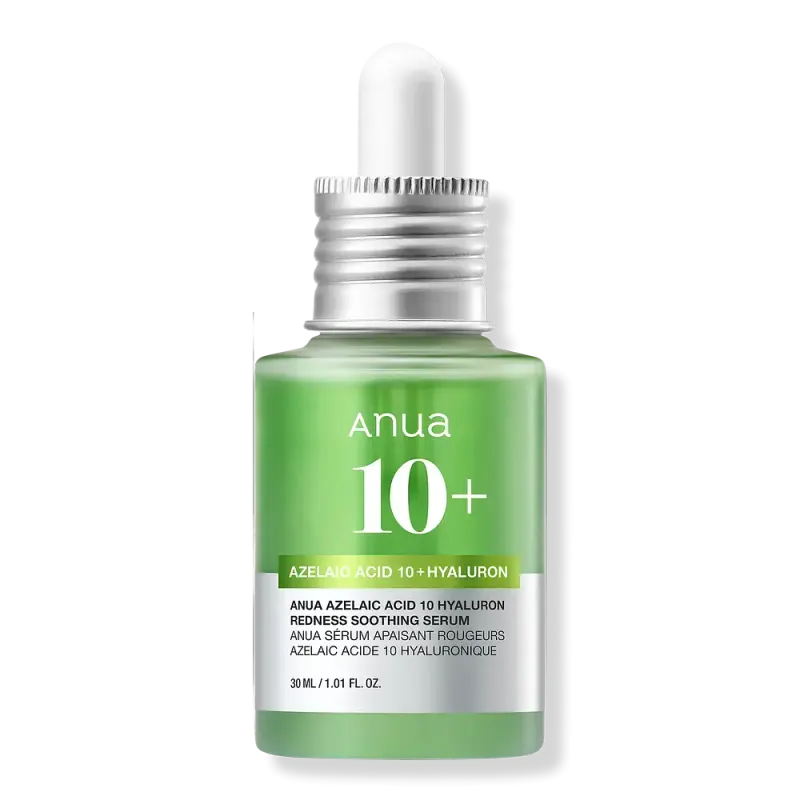
Anua Azelaic Acid 10 Hyaluron Redness Soothing Serum
Low risk78/100

Some ingredients carry a low-risk flag. Read the formulation context before deciding.
39 of 39 ingredients rated
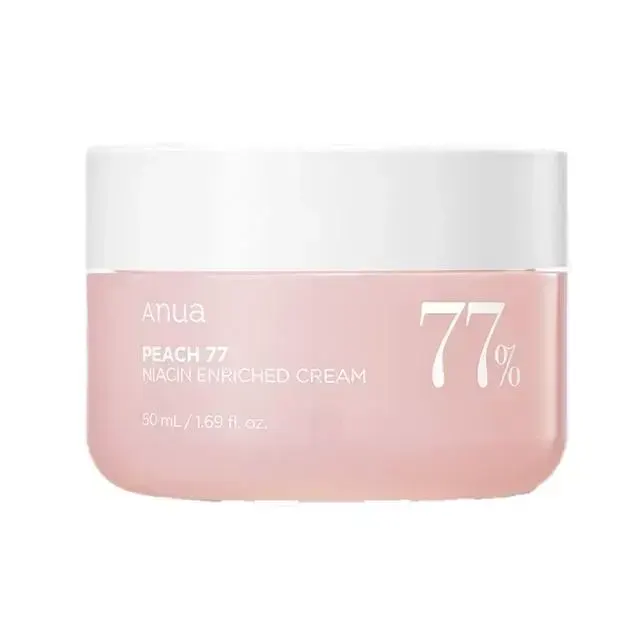
MamaSkin rates the recorded formula for Anua Peach 77 Niacin Enriched Cream as Low risk (75/100). Review the ingredient context and any manual-review explanation before deciding.
The recorded formula includes 2 ingredient entries with risk flags: Coptis Japonica Root Extract (Low risk), Fragrance (Low risk). These are ingredient-level flags; they do not replace the stored product assessment or account for every formulation detail.
39 of 39 ingredient entries on this page have a recorded score, evidence summary and source text. That describes documentation coverage, not proof that the finished formula has been clinically tested during pregnancy.
How we assess productsThe recorded formula, with evidence behind each rating. Unmatched ingredients are marked Not assessed in grey.
Umbrella term for an undisclosed fragrance blend. It’s not usually a pregnancy-specific concern at normal cosmetic use levels, but the exact components and concentrations aren’t fully disclosed on the label, so we score it more conservatively. If you prefer maximum transparency (or you’re sensitive to fragrance compounds), choose fragrance-free/unscented products.
Sources: SCCS: Fragrance allergens in cosmetic products https://health.ec.europa.eu/latest-updates/sccs-new-opinion-fragrance-allergens-cosmetic-products-2012-07-31_en
Coptis japonica root contains isoquinoline alkaloids including berberine. Oral berberine has limited pregnancy data and precautionary concerns involving uterine activity and bilirubin displacement, while breastfeeding exposure is also discouraged. A cosmetic extract is used topically at much lower exposure and may vary in composition, so MamaSkin applies a precautionary Low Risk classification rather than an oral-supplement-level warning.
Sources: PubMed: Coptis japonica root-derived alkaloids including berberine, palmatine and coptisine https://pubmed.ncbi.nlm.nih.gov/10552394/; MotherToBaby: Berberine https://www.ncbi.nlm.nih.gov/books/NBK600384/; European Commission CosIng ingredient inventory.
An aqueous Prunus persica fruit-pulp distillate, not an essential oil or concentrated extract. Its preparation and composition support ordinary topical use without an identified pregnancy-specific hazard. Individual contact allergy remains possible.
Sources: https://cosmileeurope.eu/lt/inci/sudedamoji-dalis/13334/prunus-persica-fruit-water, https://pubmed.ncbi.nlm.nih.gov/15692177/, https://www.sciencedirect.com/science/article/pii/S0308814606004237, https://pubmed.ncbi.nlm.nih.gov/12642848/
Glycerin is a widely used humectant that supports hydration and the skin barrier, with a long safety record and no known pregnancy or breastfeeding concerns in topical cosmetic use.
Sources: CIR; EU/UK Cosmetics Regulation
Solvent and humectant used to improve texture and ingredient delivery in topical cosmetic formulas. Reviewed cosmetic ingredient references do not identify a pregnancy- or breastfeeding-specific concern for normal topical use.
Sources: CIR cosmetic ingredient safety references for alkane diols; EU CosIng / cosmetics regulatory inventory
Niacinamide (vitamin B3) is widely used for barrier support and tone/texture benefits, and is generally considered safe in pregnancy and breastfeeding when used topically at cosmetic concentrations.
Sources: CIR; EU/UK Cosmetics Regulation
1,2-Hexanediol is commonly used as a solvent and preservative booster; topical exposure is low and it has no known pregnancy or breastfeeding concerns at cosmetic concentrations, though very sensitive skin may occasionally react.
Sources: CIR; EU/UK Cosmetics Regulation
Volatile emollient/solvent used for slip, quick-dry texture and makeup wear. Reviewed cosmetic ingredient references support normal topical use, with no pregnancy- or breastfeeding-specific topical concern identified.
Sources: CIR: Safety Assessment of Isoparaffins as Used in Cosmetics; EU CosIng / cosmetics regulatory inventory
Ferment-derived skin-conditioning ingredient used in microbiome-support and soothing formulas. Reviewed cosmetic safety sources support current cosmetic use, with no pregnancy- or breastfeeding-specific topical concern identified in the material reviewed.
Sources: CIR: Safety Assessment of Lactobacillus Ferment Ingredients as Used in Cosmetics; EU CosIng / cosmetics regulatory inventory
Solvent and humectant used to improve texture and ingredient solubility. Low systemic exposure expected from topical cosmetic use.
Sources: Cosmetic Ingredient Review (US); Scientific Committee on Consumer Safety (EU)
Panthenol (pro-vitamin B5) is used for soothing and barrier support and is generally well tolerated, with no known pregnancy or breastfeeding concerns in topical cosmetic use.
Sources: CIR; EU/UK Cosmetics Regulation
An emulsifier built from polyglycerin, methyl glucose and stearic-acid components, used to stabilise creams and improve texture. Exact pregnancy-specific data are limited. Cosmetic safety reviewers concluded that related methyl glucose esters and polyglyceryl fatty-acid esters are safe in current cosmetic use when formulated to be non-irritating. No pregnancy-specific topical concern was identified by applying those related-group assessments to ordinary cosmetic exposure.
Sources: CIR: Safety Assessment of Methyl Glucose Polyethers and Esters https://www.cir-safety.org/supplementaldoc/safety-assessment-methyl-glucose-polyethers-and-esters-used-cosmetics; CIR: Safety Assessment of Polyglyceryl Fatty Acid Esters https://cir-safety.org/sites/default/files/PGlyFE092016FR.pdf
A silicone resin used as a film former, texture enhancer and opacifying ingredient in makeup, sunscreen and skin care. The Cosmetic Ingredient Review concluded that polysilsesquioxanes including Polymethylsilsesquioxane are safe in current cosmetic use. Available evidence does not identify a pregnancy- or breastfeeding-specific concern for normal topical cosmetic exposure.
Sources: CIR: Safety Assessment of Polysilsesquioxanes as Used in Cosmetics (Final Report) https://cir-safety.org/sites/default/files/PLYSIL122017FR.pdf
Synthetic hydrocarbon emollient used to improve slip, cushion and moisture feel. Reviewed cosmetic ingredient references do not identify a pregnancy- or breastfeeding-specific concern for normal topical use.
Sources: CIR cosmetic ingredient safety references for polydecenes/hydrocarbon emollients; EU CosIng / cosmetics regulatory inventory
Peach fruit extract is Prunus persica fruit extract; the common-name wording does not change the preparation. No pregnancy-specific harm has been identified from ordinary formulated topical use. Direct pregnancy studies are limited; this assessment concerns fruit pulp extract, not peach seed oil, kernel extract or concentrated oral preparations. Cosmetic purity and fruit-allergy precautions matter.
Sources: https://cosmileeurope.eu/ro/inci/ingredient/13333/prunus-persica-fruit-extract, https://www.cir-safety.org/sites/default/files/Botanical%20Decision%20Tree%20CIR%20June%202012%202.pdf
Peach flower extract is used as a skin-conditioning botanical. No pregnancy-specific harm has been identified for ordinary formulated topical use, although direct pregnancy studies are limited. This assessment applies to the flower extract and does not extend to peach kernels, medicinal ingestion or concentrated preparations. Botanical sensitivity remains possible.
Sources: https://kcia.or.kr/cid/search/ingd_view.php?no=559, https://www.cir-safety.org/supplementaldoc/quick-reference-table-december-2025
Sodium hyaluronate (hyaluronic acid salt) is used for hydration and cushioning, with very low systemic absorption from topical use and no known pregnancy or breastfeeding concerns at cosmetic concentrations.
Sources: CIR; EU/UK Cosmetics Regulation
A collagen preparation used for skin and hair conditioning. Cosmetic safety reviewers concluded that soluble collagen and related connective-tissue proteins are safe in current practices, subject to source and impurity controls that exclude prohibited cattle materials. Protein sensitivity remains possible in susceptible people.
Sources: CIR: Safety Assessment of Skin and Connective Tissue-Derived Proteins and Peptides https://cir-safety.org/sites/default/files/tsupep092017final.pdf
Jojoba-derived wax esters used as emollients, texture agents and skin-conditioning ingredients. Reviewed cosmetic ingredient references do not identify a pregnancy- or breastfeeding-specific concern for normal topical use.
Sources: CIR cosmetic ingredient safety references for jojoba-derived ingredients/wax esters; EU CosIng / cosmetics regulatory inventory
The final CIR methicone assessment includes the exact identity in its safe-as-used conclusion.
Sources: https://www.cir-safety.org/sites/default/files/FAR_Methicones_032022.pdf
Polymer thickener used to stabilise emulsions. Large-molecule ingredient with low systemic absorption.
Sources: Cosmetic Ingredient Review (US); Scientific Committee on Consumer Safety (EU)
Water (Aqua) is the standard purified water used as a cosmetic solvent. It has no pregnancy-specific risk in normal topical use.
Sources: https://pubchem.ncbi.nlm.nih.gov/compound/Water, https://single-market-economy.ec.europa.eu/sectors/cosmetics/cosmetic-ingredient-database/cosing-glossary-ingredients_en
A high-molecular-weight silicone polymer used for film forming, smoothing and skin or hair conditioning. The Cosmetic Ingredient Review concluded that Dimethiconol and its assessed derivatives are safe in current cosmetic use. Its polymeric nature limits skin penetration, and available evidence does not identify a pregnancy- or breastfeeding-specific concern for normal topical exposure.
Sources: CIR: Safety Assessment of Dimethiconol and its Esters and Reaction Products; International Journal of Toxicology 36(Suppl. 3):31-50 (2017) https://cir-safety.org/ingredient/dimethiconol
Polymer thickener and stabiliser used in creams and sunscreens. Low systemic exposure expected.
Sources: Cosmetic Ingredient Review (US); Scientific Committee on Consumer Safety (EU)
Hydroxyacetophenone is used as an antioxidant and preservative-support ingredient; it is generally considered low concern in topical cosmetic use with no known pregnancy or breastfeeding risks at typical concentrations.
Sources: CIR; EU/UK Cosmetics Regulation
pH adjuster and buffer used to stabilise formulations. Reviewed cosmetic safety sources support normal topical use, with no pregnancy- or breastfeeding-specific topical signal identified in the material reviewed.
Sources: CIR: Safety Assessment of Tromethamine as Used in Cosmetics; EU CosIng / cosmetics regulatory inventory
Preservative booster and skin-conditioning agent. Considered safe for cosmetic use with low systemic exposure when used as intended.
Sources: Scientific Committee on Consumer Safety (EU); Cosmetic Ingredient Review (US)
Solvent and humectant commonly used in leave-on products. Not associated with pregnancy-specific concerns at cosmetic exposure levels.
Sources: Cosmetic Ingredient Review (US); Scientific Committee on Consumer Safety (EU)
Skin-conditioning ingredient commonly used in leave-on skincare. Reviewed cosmetic safety sources support normal topical use, with no pregnancy- or breastfeeding-specific topical signal identified in the material reviewed.
Sources: CIR: Safety Assessment of Adenosine Ingredients as Used in Cosmetics; EU CosIng / cosmetics regulatory inventory
Disodium EDTA is a chelating agent used to improve formula stability and performance; it is considered low concern in topical cosmetic use, with no known pregnancy or breastfeeding risks at typical concentrations.
Sources: CIR; EU/UK Cosmetics Regulation
A vitamin B ingredient or derivative used for skin or hair conditioning. These vitamins are normal nutrients and no pregnancy-specific concern was identified for the small topical exposure expected from a finished cosmetic. This assessment does not replace guidance about oral supplements or therapeutic doses.
Sources: NIH Office of Dietary Supplements vitamin fact sheets https://ods.od.nih.gov/factsheets/list-all/; CIR: Panthenol, Pantothenic Acid and Derivatives safety assessment https://www.cir-safety.org/supplementaldoc/safety-assessment-panthenol-pantothenic-acid-and-derivatives-used-cosmetics-1
A yeast-derived ferment, filtrate or extract used for skin conditioning. Cosmetic safety reviewers concluded that cosmetic ingredients derived from the reviewed yeast species are safe in current practices; this record applies to the standardized cosmetic INCI material, not an unspecified live culture.
Sources: CIR: Yeast-derived ingredients final assessment, June 2024; Galactomyces Ferment Filtrate conclusion; December 2025 Quick Reference Table https://cir-safety.org/sites/default/files/QRT-Update-Dec2025.pdf
Vitamin E antioxidant used to protect oils and support the skin barrier. Not associated with pregnancy-specific concerns at cosmetic exposure.
Sources: Cosmetic Ingredient Review (US); Scientific Committee on Consumer Safety (EU)
Skin-identical barrier lipid used to support the stratum corneum and reduce dryness. Reviewed cosmetic safety sources support normal topical use, with no pregnancy- or breastfeeding-specific topical signal identified in the material reviewed.
Sources: CIR: Safety Assessment of Ceramides as Used in Cosmetics; EU CosIng / cosmetics regulatory inventory
A sugar, polysaccharide or related carbohydrate used for hydration, texture or formula support. No reproductive or developmental concern was identified for normal topical cosmetic exposure.
Sources: European Commission CosIng ingredient inventory; CIR safety assessments of saccharides and naturally derived polymers as used in cosmetics.
Polysaccharide carrier and bulking agent used for texture and delivery support. Reviewed cosmetic safety sources support normal topical use, with no pregnancy- or breastfeeding-specific topical signal identified in the material reviewed.
Sources: CIR: Safety Assessment of Polysaccharide Gums as Used in Cosmetics; EU CosIng / cosmetics regulatory inventory
A plant-derived protein or peptide mixture used mainly for hair and skin conditioning. Cosmetic safety reviewers concluded that the assessed plant-derived proteins and peptides are safe in current practices. Protein allergy remains possible in susceptible people.
Sources: CIR: Safety Assessment of Plant-Derived Proteins and Peptides as Used in Cosmetics https://www.cir-safety.org/supplementaldoc/safety-assessment-plant-derived-proteins-and-peptides-used-cosmetics-0
A yeast-derived ferment, filtrate or extract used for skin conditioning. Cosmetic safety reviewers concluded that cosmetic ingredients derived from the reviewed yeast species are safe in current practices; this record applies to the standardized cosmetic INCI material, not an unspecified live culture.
Sources: CIR: Yeast-derived ingredients final assessment, June 2024; Galactomyces Ferment Filtrate conclusion; December 2025 Quick Reference Table https://cir-safety.org/sites/default/files/QRT-Update-Dec2025.pdf
A non-live bacterial fermentation lysate used for skin conditioning. It is not the same as applying live bacteria. Available cosmetic safety information and the nature of the processed material do not identify a pregnancy-specific concern for normal topical exposure.
Sources: CIR yeast and bacterial ferment strategy and safety assessments; European Commission CosIng ingredient inventory for Bifida Ferment Lysate.
Prunus Persica Fruit Water 77%, Glycerin, Methylpropanediol, Niacinamide, 1,2-Hexanediol, Isododecane, Lactobacillus Ferment, Propanediol, Panthenol, Polyglyceryl-3 Methylglucose Distearate, Polymethylsilsesquioxane, Hydrogenated Polydecene, Coptis Japonica Root Extract, Prunus Persica (Peach) Fruit Extract, Prunus Persica (Peach) Flower Extract, Sodium Hyaluronate, Soluble Collagen, Jojoba Esters, Vinyl Dimethicone, Ammonium Acryloyldimethyltaurate/Vp Copolymer, Water, Dimethiconol, Acrylates/C10-30 Alkyl Acrylate Crosspolymer, Hydroxyacetophenone, Tromethamine, Ethylhexylglycerin, Butylene Glycol, Adenosine, Disodium Edta, Cyanocobalamin, Saccharomyces Ferment Filtrate, Tocopherol, Ceramide NP, Pectin, Maltodextrin, Hydrolyzed Vegetable Protein, Galactomyces Ferment Filtrate, Bifida Ferment Lysate, Fragrance
Ingredient ratings refreshed 29 October 2026. Formulas vary by market and can change. Always compare with your packaging.
The recorded formula includes 2 ingredient entries with risk flags: Coptis Japonica Root Extract (Low risk), Fragrance (Low risk). These are ingredient-level flags; they do not replace the stored product assessment or account for every formulation detail. The product score is a stored assessment, not a clinical safety guarantee.
No. Niacinamide appears in the recorded formula, but its individual rating applies to that ingredient, not automatically to the whole product. Check the other ingredient ratings, any grey Not assessed entries and the stored product assessment. A niacinamide percentage or a product name is not a substitute for checking the full list.
39 of 39 ingredient entries on this page have a recorded score, evidence summary and source text. That describes documentation coverage, not proof that the finished formula has been clinically tested during pregnancy.
Only if the ingredient list on your packaging matches the recorded formula shown here. Formulas can differ by market and change over time. Compare the full list, not just the product name; report a mismatch if it differs.
No. This page presents a pregnancy-focused product assessment. Do not infer a breastfeeding conclusion from its score or label; breastfeeding requires a separate assessment of the formula and how it is used.